A home's energy label is becoming an increasingly decisive factor in the selling price. In 2026, the difference between a home with label A and a comparable home with label G will be greater than ever. Buyers are better informed about energy costs, and mortgage lenders reward sustainable homes with more favorable terms. In this article, you will read how the energy label influences the value of your home and what you can do to increase that value.
Homes with a good energy label not only sell faster but also consistently fetch a higher price. Recent market analyses show that the price difference between a home with label A and a comparable home with label G can reach 10 to 15 percent. In a market where the average selling price is around €480,000, this amounts to a difference of tens of thousands of euros. This means the energy label is no longer just an administrative document, but a direct factor in determining the value of your home.
Buyers look at the label
In 2026, buyers will look not only at the purchase price, but at the total housing costs. A home with a poor energy label (D, E, F, or G) means higher monthly energy bills, which can add up significantly at current energy prices. In addition, more and more buyers know that a poor label often indicates inadequate insulation, single glazing, or an outdated heating system. These are all investments that will still need to be made after the purchase. A good label gives buyers the confidence that the home is ready for the future.
Energy label and mortgage: extra borrowing capacity
For homes with a good energy label, you can often borrow more. Mortgage lenders take lower energy costs into account, resulting in a higher maximum mortgage. In addition, some lenders offer an interest rate discount for energy-efficient homes. With an NHG mortgage, the energy label also plays a role. This makes a good label valuable not only for you as the seller, but also for the buyer financing your home. Consequently, a home with an A or B label attracts a broader group of potential buyers.
How to improve your home's energy label
The most effective measures are roof insulation, floor insulation, HR++ or triple glazing, and switching to a hybrid heat pump. With relatively limited investments, you can often achieve multiple label improvements. A home moving from label D to label B gains not only in comfort but also immediately in market value. It is wise to have an energy label determined first so that you know exactly where the areas for improvement lie and which measures will have the greatest impact.
Sell faster with a good energy label
In addition to a higher selling price, a good energy label also ensures a faster sale. Buyers viewing a home with an A or B label have fewer doubts about future investments. The home is move-in ready and the monthly costs are predictable. In a market where buyers are increasingly well-informed, this is a significant advantage compared to similar homes with a worse label.
Have your energy label determined by Homekeur
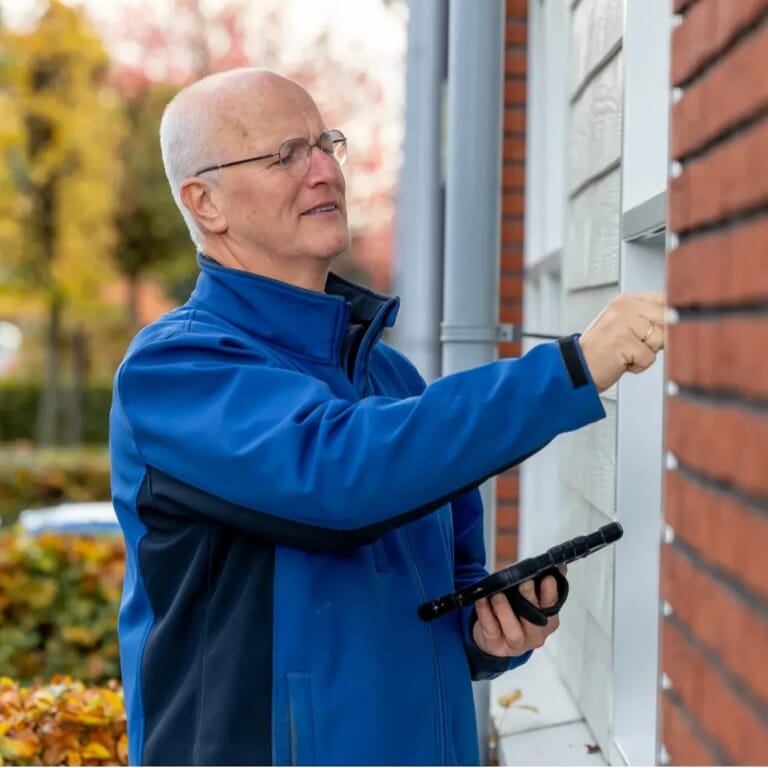
Homekeur provides energy labels for homes throughout the Netherlands. Our certified advisors will visit you, inspect the property, and provide an officially registered energy label. Would you like insight into the technical condition of your home at the same time? Combine the energy label with a structural inspection, and you will have a complete picture in one go. Would you like to have your energy label determined or make an appointment? Contact Homekeur, we are happy to assist you.