Make an appointment Call now

Should you inspect a house yourself or hire a professional? 7 Risks of an Untrained Eye

Buying a home is a significant investment, yet many buyers underestimate the hidden risks that lurk beyond the visible defects. This blog post uncovers 7 critical home issues often overlooked by untrained eyes, highlighting the importance of a professional building inspection to ensure peace of mind and avoid costly surprises.

When you're buying a home, you want certainty about its structural condition. Yet, many buyers think they can assess the house's condition themselves during a viewing. Or, they might have a good family friend with extensive DIY experience who can offer a critical look. The danger here is that you might only notice the visible defects, while the real risks are often hidden and require experience to find.

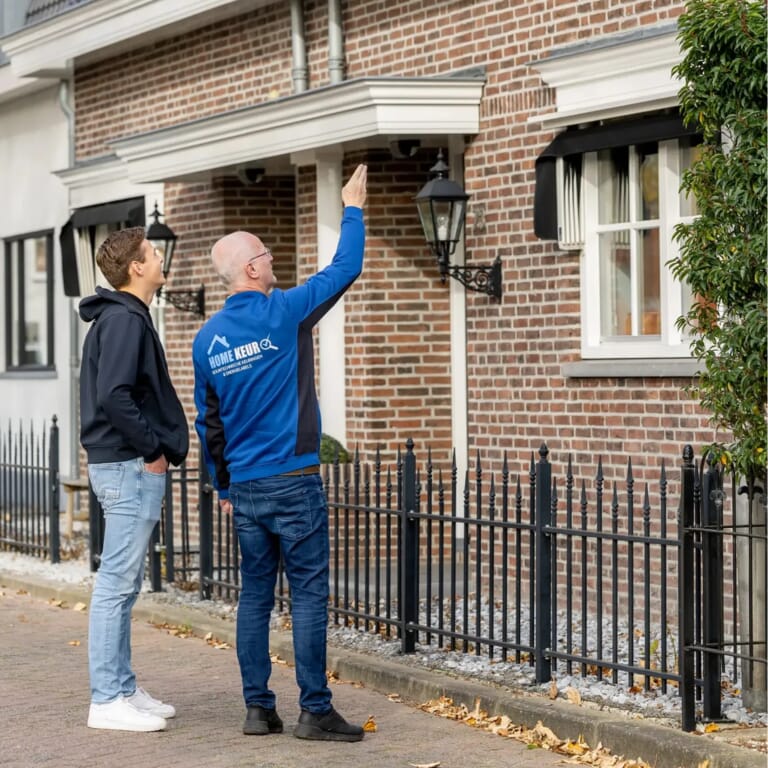
A building inspection by an expert can reveal these hidden defects. The experts at Homekeur conduct daily building inspections throughout the Netherlands and have a trained eye for anomalies. In this blog post, we highlight 7 risks in a home that an untrained eye often misses.

1. Tears: harmless or not?

Cracks in walls are usually noticeable, but not every crack is the same. A superficial hairline crack can indeed be harmless, but horizontal or diagonal cracks can indicate subsidence or foundation problems. The location of the crack is also crucial: window frames often indicate tension in the wall, while cracks under structural beams can indicate a serious problem. Without professional expertise, it's almost impossible to tell the difference.

2. Concrete rot and rust formation

Concrete rot is caused by rusting reinforcement steel in concrete. While you might sometimes see a small crack or discoloration on the outside, the damage is often hidden in balconies, galleries, or floors. An experienced inspector can recognize early warning signs, such as rust marks along edges, which may seem inconspicuous to the untrained eye. If concrete rot is discovered too late, it can lead to dangerous situations and very high repair costs.

3. Damp problems and mold in the crawl space

The crawl space is often overlooked by buyers during viewings. Yet, this is the primary area where you'll encounter damp problems, wood rot, and cellar fungus. Fungus spreads quickly and can completely destroy wooden floors. Professionals often notice the musty odor immediately, while the untrained eye might dismiss it as "a bit damp." Rising damp in walls is also a typical problem that you only recognize once the damage is extensive.

4. Old lead flashings and connections

Lead flashing is installed on roofs and chimneys to prevent leaks. If these are installed incorrectly or are outdated, moisture can enter the house unnoticed. This leads to mold, wood rot, and damage to ceilings and walls. Many sellers have new lead flashing installed just before selling, but if it's installed incorrectly, problems can still arise. Only an inspector can detect this difference.

5. Paint over wood rot and woodworms

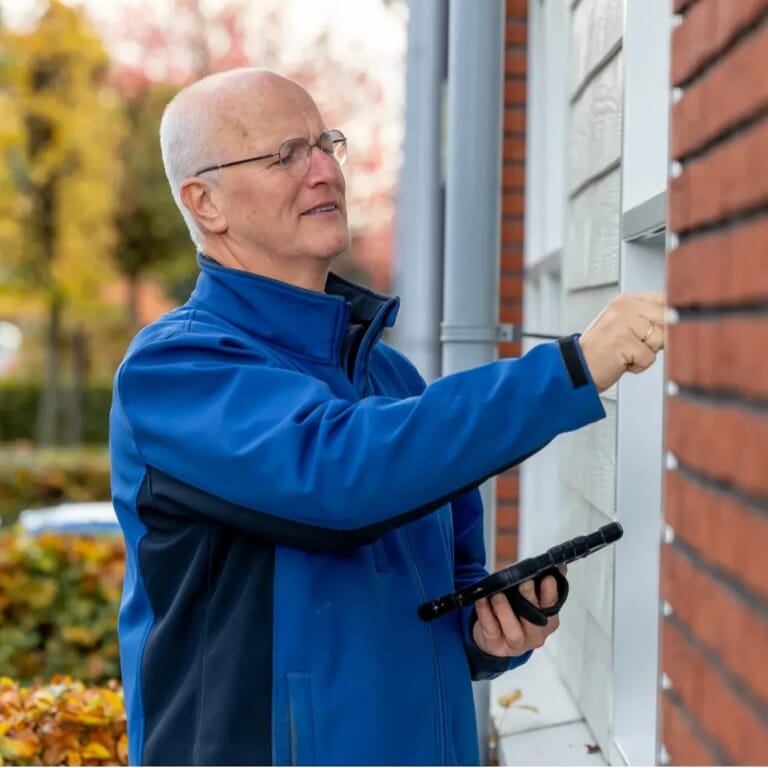
Window frames often look good at first glance, especially if they've been recently painted. However, wood rot can lurk beneath the paint, or woodworm may already have worked its way in. A building inspector will perform a few simple tests to ensure the wood is still sound. If you don't, you'll often only discover the problem when painting or replacing windows, and the costs will be considerable.

6. Roof and gutters: defects in difficult places

During a property inspection, people rarely look at the roof. Yet, loose tiles, small cracks, or poorly maintained gutters can quickly lead to leaks. Inspectors often use tools like a GoPro or telescopic pole to inspect even hard-to-reach areas. As a buyer, you simply don't see this.

7. Installations and water pipes

Installations like electricity, gas, and water lines are also difficult for you as a buyer to assess. Old installations can pose hazards, ranging from leaks to fire hazards. An inspector checks the condition of these systems and assesses whether they meet current safety standards. This prevents unpleasant surprises immediately after the purchase.

The building inspector is indispensable

As you can see, the biggest risks often lurk in places you don't see or can't assess during a viewing. A qualified Homekeur inspector will examine your home from roof to crawl space, recognize subtle signs, and clearly document all findings in a building inspection report . This provides you with facts instead of assumptions, and you'll know exactly what costs to expect.

A building inspection by Homekeur gives you the peace of mind you need when buying a home. Our experienced inspectors have years of knowledge and can spot what an untrained eye might miss. This prevents you from being confronted with high costs or unsafe situations after the transfer of ownership. With a professional building report, you make a well-informed and safe decision.

Would you like to make an appointment for a building inspection?

The cost of a building inspection (up to 250 m²) is only €489 including VAT. We'll conduct a comprehensive building inspection and you'll receive a building report. Do you have any questions? We're happy to help and can schedule an appointment with an expert inspector right away if you wish!

Recent articles

warmtepomp.jpg
blog
23 December 2025
Are you required to purchase a (hybrid) heat pump?
The blog discusses the transition from traditional central heating boilers to hybrid heat pumps in the Netherlands, highlighting their benefits in energy efficiency and sustainability, and noting that from 2026, hybrid heat pumps will become the minimum standard for heating systems in new installations.
DSCF0067-scaled.jpeg
blog
19 December 2025
Building inspection quickly saves thousands of euros
The blog emphasizes the importance of having a building inspection before purchasing a home to avoid unexpected repair costs and financial difficulties, using a real-life example to illustrate how such inspections can save buyers thousands of euros.
domotica-huis-1696579264
blog
19 December 2025
Smart home automation systems deserve extra attention when purchasing
The blog discusses the importance of assessing home automation systems when buying a smart home, highlighting the need for compatibility, safety, and data security, and recommends a building inspection by Homekeur to evaluate the property's technical condition.