Make an appointment Call now

Found mold in your home? Time for action!

Mold in the house is a clear sign that action is needed. A building inspection always checks for the presence of mold in the house. The crawl space is also carefully inspected for this. If the crawl space is damp and dirty, there is a high risk of mold. Mold indicates the presence of moisture, and that is a problem that always needs to be addressed.

A new service!

When buying a home, you often look at the kitchen, bathroom, and the condition of the paintwork. But what about the house's foundation? Foundation problems have been in the news more and more in recent years, and the repair costs can be enormous. To further protect homebuyers and homeowners, Homekeur is introducing a new, accessible service: the Foundation Risk Assessment Phase 0. This service will be available from April 1, 2026, and can only be purchased in conjunction with a building inspection.


funderingsproblemen

What is a Phase 0 trial?

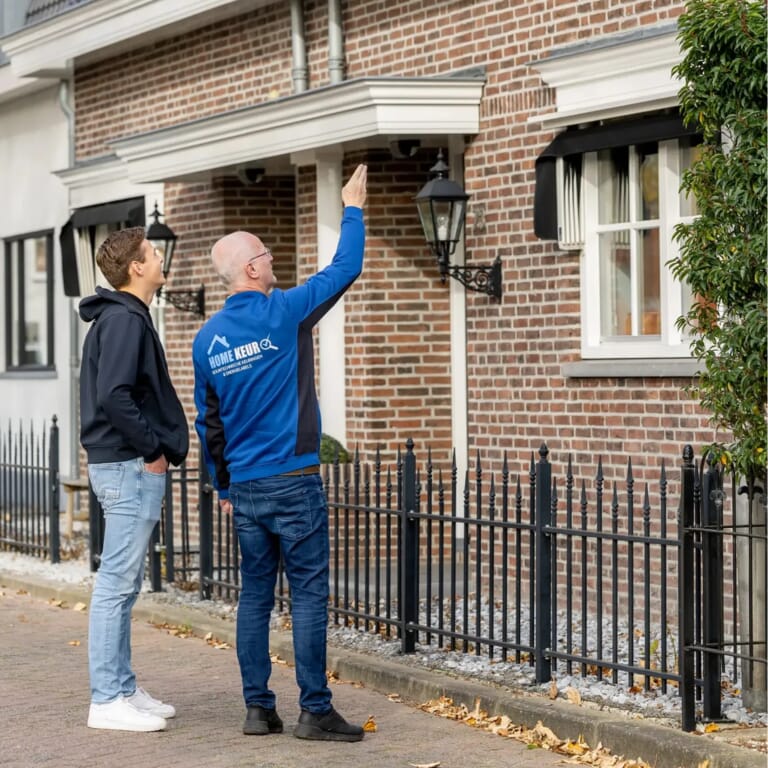
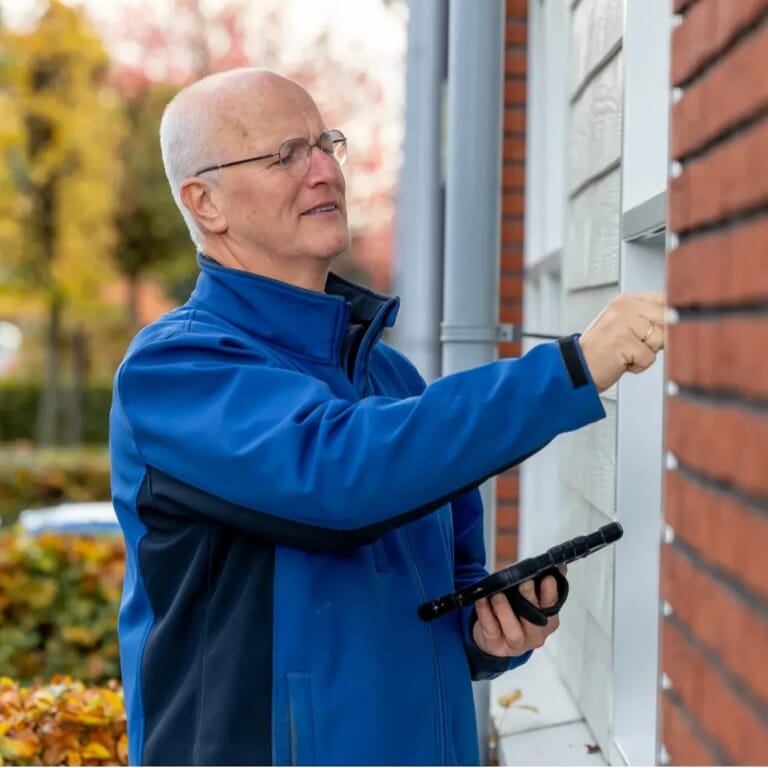
Many people are put off by the term "foundation inspection." They immediately think of excavators in the garden and holes in the floor. However, the Foundation Risk Assessment Phase 0 is very different. It is a non-destructive test. This means we do not drill, break, or dig. Our inspector performs a visual scan and takes specific measurements to determine if there is an increased risk of foundation problems. It's the perfect first step to gain clarity without immediately embarking on a drastic technical process.

Why choose Phase 0?

In the Netherlands, hundreds of thousands of homes are built on wooden piles or have foundations built "on steel" (directly on the ground). Due to falling groundwater levels and soil subsidence, the risk of pile rot or subsidence is increasing.

A standard building inspection provides a good picture of the overall condition of the home, but a foundation problem isn't always immediately apparent to the untrained eye. With the Phase 0 inspection, we dig a little deeper (figuratively speaking).

The benefits at a glance:

  • Quick clarity: You will know in a short time whether the foundation of your (future) home is a risk factor.
  • Non-destructive: No damage to the house or garden; we use advanced measuring equipment and visual inspection techniques.
  • NAFO Certificate: You will receive an official report including a NAFO certificate (National Alliance Foundation Research), a recognized quality mark.
  • Avoid a bad purchase: Especially for houses built before 1970, this research is essential to prevent tens of thousands of euros in unexpected repair costs.

What exactly are we investigating?

During the inspection, our specialist will look at various factors:

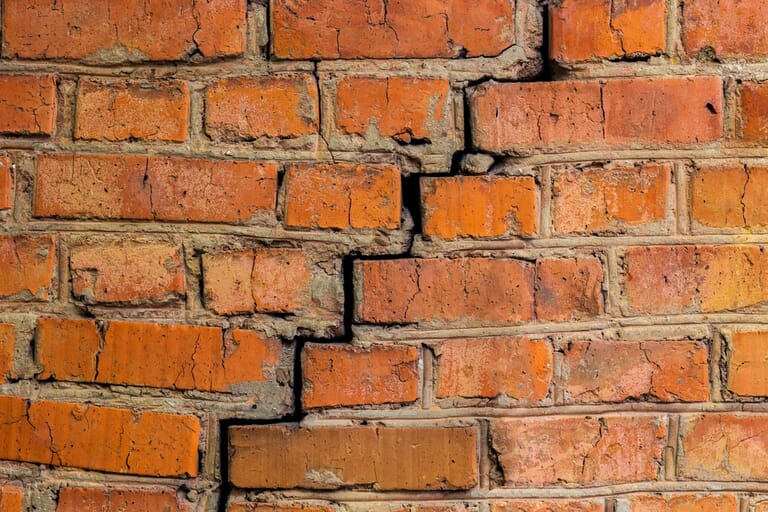
  1. Visual inspection: We will look for specific cracks in the facades and interior walls that indicate foundation problems.
  2. Measurements: We will use a bed joint measurement and/or floor leveling to determine whether the house is leaning or has subsided.
  3. Environmental factors: We will analyze the soil conditions, the groundwater level, and check whether there are any known problems in the immediate vicinity.


How do you reduce the risk before you sign?

After the inspection, you will receive a clear report with one of the following conclusions:

  • No action required: There are no signs of foundation problems.
  • Monitoring recommended: There are minor signs; it is wise to reassess the situation after a while.
  • Further investigation (Phase 1/2) required: A serious risk has been found that requires further technical investigation.


Whether you want to buy or sell a house, or simply want to be sure that your own home is stable: the Foundation Risk Inspection Phase 0 offers the certainty you need.

Would you like to know more about this new service or schedule an appointment right away? Contact Homekeur or combine the inspection directly with your building inspection!

Recent articles

Een vrouw wijst naar een tablet die een man vasthoudt en een andere man kijkt mee
blog
13 February 2026
Hidden defects in a home
Hidden defects are not uncommon, especially in existing homes. They are often not immediately visible, but can have significant consequences for comfort, safety, and costs. This article explains how hidden defects are assessed and the role of investigation and inspection.
blazen plooien bitumen dak
video
13 February 2026
Common roof detail mistakes: what an inspection reveals
During roof inspections, problems often turn out to be not in the roofing itself, but in the details. In this practical case study, we demonstrate which installation errors are frequently encountered and why these, in particular, pose an increased risk of leaks and damage.
WhatsApp Image 2026-02-12 at 08.51.37
video
12 February 2026
Three Roof Eave Mistakes That Cause Leaks (And Are Often Overlooked)
Roof problems rarely arise suddenly. They usually start with a minor issue. In this inspection, we see how a torn lead flashing, improper installation, and a loose joint can all pose a serious risk. What should you look for—and how can you prevent them?