
Make an appointment Call now

Four problems in almost every basement

Damp problems in basements are more common than you think, and while causes vary from poor drainage to high groundwater levels, neglecting these issues can lead to costly damages like mold and structural deterioration. Discover how timely building inspections and preventive solutions like water-repellent gels can save you from unexpected expenses and keep your home safe and sound.

The basement is often considered a damp space by default, and for good reason. Almost every basement has a damp problem, but the cause isn't always the same. For example, poor drainage often causes damp problems in the basement. This problem can be solved relatively easily by replacing or repairing the water pipe or drain. There are more common damp problems in basements that are relatively easy to fix.

What problems do we see during a building inspection?

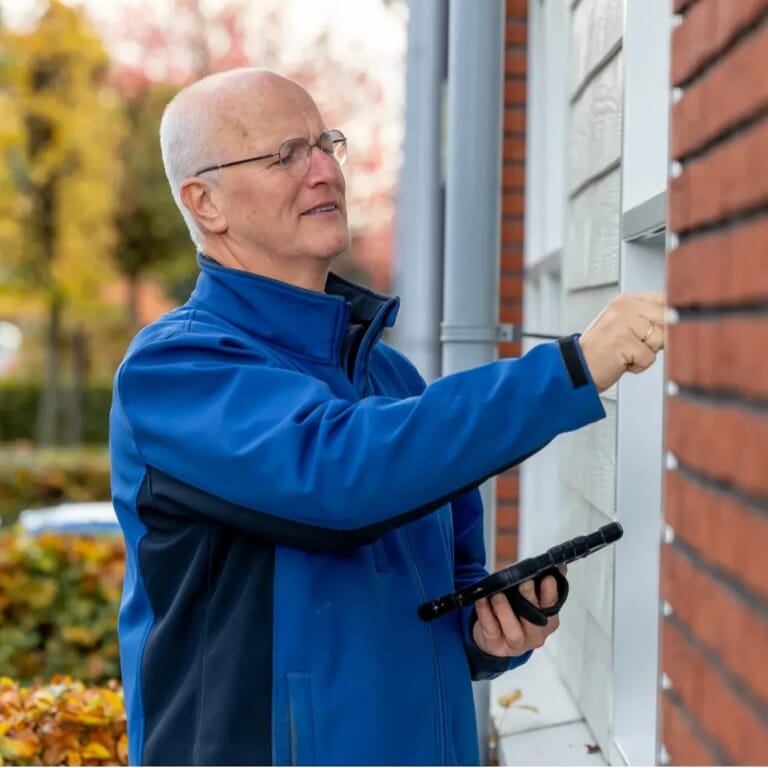
Homekeur conducts building inspections, inspecting a home from roof to crawl space. Damp problems in the basement cause further problems and must therefore be resolved. You don't want to face costs you could have avoided. We've already mentioned one of the most common causes: poor drainage. We'd like to highlight four more common problems we encounter in almost every basement.

1. The presence of ground moisture

Groundwater can cause serious problems when the water table is high. Many basements are built without consideration for the need to prevent groundwater. Groundwater causes rising damp, which can eventually seep into the walls of the house. This creates porous walls. The easiest way to solve a groundwater problem is to apply water-repellent injection gel to the walls to protect them from rising damp. Lowering the groundwater level is also an option.

2. The bilge leakage

When the ground and wall are poorly connected, moisture develops in the basement. This is called a basement wall leak. It's a problem that all too often goes undetected, or not detected in a timely manner. A basement wall leak can be resolved by repairing the wall wall, creating a bonding edge between the wall and the ground. This method is often combined with water-repellent gel.

3. The presence of condensation

Condensation is a phenomenon we encounter all too often during the building inspections we perform. Poor ventilation and temperature fluctuations cause condensation, which we also know from fogged windows. By ensuring good ventilation and a consistent temperature in the basement, you can prevent or resolve condensation and the associated moisture problems in the basement.

4. Problems caused by penetrating moisture

Moisture always causes problems in the long run, and these problems are growing. Penetrating moisture can have serious and very unpleasant consequences for the home. We therefore see many problems resulting from penetrating moisture from the basement. Examples include mold, peeling paintwork, loose plaster and wallpaper, loose skirting boards, and cracks in the walls. Prevent penetrating moisture by addressing moisture problems in the basement as quickly as possible, for example, by using the injection method.

Prevent costs due to unexpected moisture problems

Damp problems inevitably lead to costs sooner or later. If a property has damp problems, you want to know before you buy it, not just discover them after the sale. By having a building inspection carried out by Homekeur, you can always be sure and avoid unexpected costs. You can schedule an appointment with us right away. Want to know more first? Feel free to contact us.

Would you like to make an appointment for a building inspection?

The cost of a building inspection (up to 250 m²) is only €489 including VAT. We'll conduct a comprehensive building inspection and you'll receive a building report. Do you have any questions? We're happy to help and can schedule an appointment with an expert inspector right away if you wish!

Recent articles

Een vrouw wijst naar een tablet die een man vasthoudt en een andere man kijkt mee
blog
13 February 2026
Hidden defects in a home
Hidden defects are not uncommon, especially in existing homes. They are often not immediately visible, but can have significant consequences for comfort, safety, and costs. This article explains how hidden defects are assessed and the role of investigation and inspection.
blazen plooien bitumen dak
video
13 February 2026
Common roof detail mistakes: what an inspection reveals
During roof inspections, problems often turn out to be not in the roofing itself, but in the details. In this practical case study, we demonstrate which installation errors are frequently encountered and why these, in particular, pose an increased risk of leaks and damage.
WhatsApp Image 2026-02-12 at 08.51.37
video
12 February 2026
Three Roof Eave Mistakes That Cause Leaks (And Are Often Overlooked)
Roof problems rarely arise suddenly. They usually start with a minor issue. In this inspection, we see how a torn lead flashing, improper installation, and a loose joint can all pose a serious risk. What should you look for—and how can you prevent them?