
Make an appointment Call now

Fire safety in the home

Is your home as fire-safe as it could be? Discover the hidden fire hazards lurking in common ceiling materials and learn how to enhance your home's safety with better choices. Read on to uncover crucial tips on fire-resistant materials and the importance of smoke detectors to safeguard your family.

If your home has a wooden batten ceiling, the battens can quickly spread through the fire due to the seams tearing open. In short, it's a fire hazard and a risk. If you want a lower risk and higher fire resistance, it's better to use a different material as a ceiling finish.

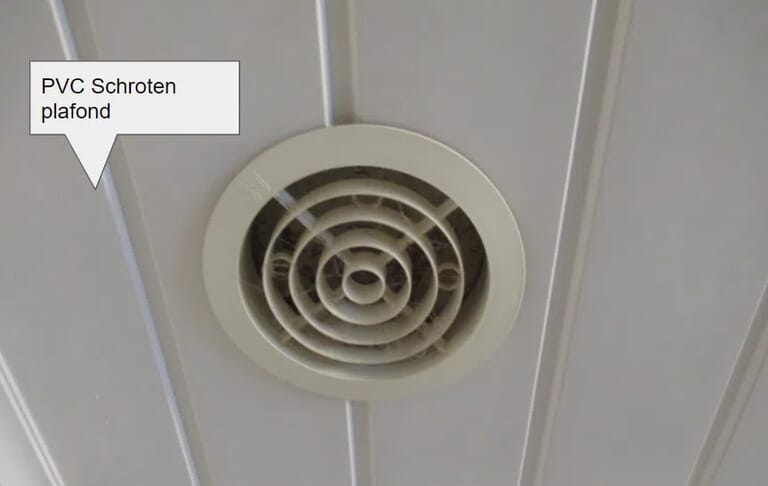
Highly flammable materials may also be present as ceiling or wall finishes (e.g., PVC cladding or Tempex ). These finishes spread quickly, and PVC cladding also produces a significant amount of smoke. If you want a lower risk and higher fire resistance, it's better to use a different material as a ceiling finish. The underlying material is unknown and visually indiscernible.

Homekeur-PVC-schroten-plafond.png
  • Materials that produce very strong smoke in the event of fire are best avoided, especially not in an escape route.
  • Materials that produce a lot of (toxic) smoke during fire are: hard and soft PVC (polyvinyl chloride), PS (polystyrene, also called tempex, styropor or polystyrene foam).
  • When purchasing new material, make sure you are well informed about topics such as fire penetration and fire spread.
  • The fire resistance of a ceiling is in principle 20 minutes.

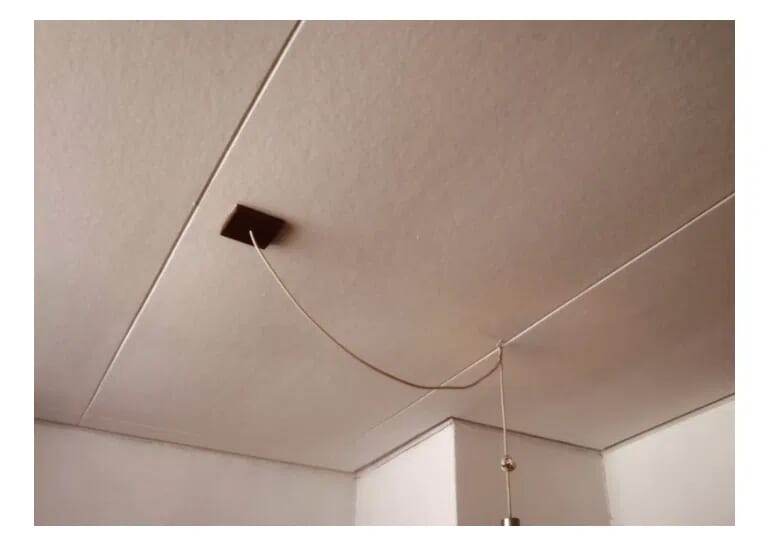
If softboard ceilings are present: softboard combusts very quickly and easily. It has absolutely insufficient fire resistance; the 20-minute standard is nowhere near being met. In short, it's a fire hazard and a risk. If you want less risk and higher fire resistance, it's better to use a different material as a ceiling finish.

Homekeur-zachtboard.png
  • When purchasing new material, make sure you are well informed about topics such as fire penetration and fire spread.
  • The fire resistance of a ceiling is in principle 20 minutes.

Smoke detectors

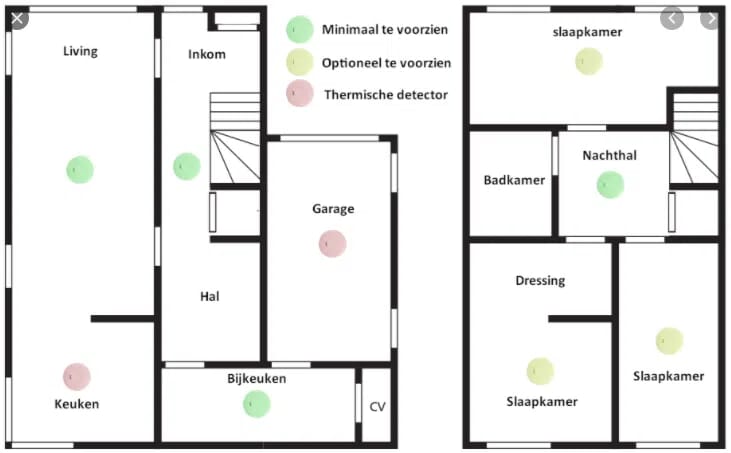
These should be present on every floor of a home. They are intended to detect a fire, and the detectors can then emit a signal (alarm sound).

  • Check the batteries (if applicable) annually and replace them at least every 2 years.
  • There's a test button on the detector; perform this test at least once a year. The existing smoke detectors haven't been tested for proper function.
  • With a smoke detector, a fire can be detected at an early stage and damage can be reduced.
  • Since 2003, new-build homes have been required to have a smoke detector on every floor. As of July 1, 2022, this requirement will also apply to existing buildings.
  • Does your home have enough smoke detectors?

Smoke detectors have a lifespan of 10 years . Dust contamination causes the smoke chamber inside the smoke detector to become dirty. This reduces the accuracy of smoke and fire detection. There's a higher risk of a smoke detector giving false alarms or detecting smoke too late. Therefore, replace all smoke detectors installed in your home promptly. The replacement date is printed on each smoke detector; the replacement date can be found on the side or bottom of the detector.

Homekeur-rookmelders-in-de-woning.png

When you renovate or remodel your home, this shouldn't compromise fire safety. Be aware that removing doors or partitions can quickly spread fire and smoke from one room throughout the entire house.

Would you like to make an appointment for a building inspection?

The cost of a building inspection (up to 250 m²) is only €489 including VAT. We'll conduct a comprehensive building inspection and you'll receive a building report. Do you have any questions? We're happy to help and can schedule an appointment with an expert inspector right away if you wish!

Recent articles

Een vrouw wijst naar een tablet die een man vasthoudt en een andere man kijkt mee
blog
13 February 2026
Hidden defects in a home
Hidden defects are not uncommon, especially in existing homes. They are often not immediately visible, but can have significant consequences for comfort, safety, and costs. This article explains how hidden defects are assessed and the role of investigation and inspection.
blazen plooien bitumen dak
video
13 February 2026
Common roof detail mistakes: what an inspection reveals
During roof inspections, problems often turn out to be not in the roofing itself, but in the details. In this practical case study, we demonstrate which installation errors are frequently encountered and why these, in particular, pose an increased risk of leaks and damage.
WhatsApp Image 2026-02-12 at 08.51.37
video
12 February 2026
Three Roof Eave Mistakes That Cause Leaks (And Are Often Overlooked)
Roof problems rarely arise suddenly. They usually start with a minor issue. In this inspection, we see how a torn lead flashing, improper installation, and a loose joint can all pose a serious risk. What should you look for—and how can you prevent them?