
Make an appointment Call now

Benefits of disconnecting rainwater drainage

In the Netherlands, where rain is a frequent visitor, disconnecting rainwater from sewage systems—known as rainwater infiltration—offers a sustainable solution with numerous benefits, including preventing sewage overflows and conserving groundwater. With the availability of subsidies to support this eco-friendly initiative, ensuring proper implementation through tailored methods and inspections becomes crucial for homeowners looking to optimize their property's rainwater management system.

In the Netherlands, we experience rain all too often. Rainwater can be put to good use on your own property, so it's a good idea to choose to disconnect it. This is also called rainwater infiltration. A special subsidy is available for this, which can amount to €10 or more per square meter. It's important that rainwater disconnection is done correctly. You'll experience many significant benefits. A building inspection can determine whether the disconnection has been arranged correctly.

Disconnecting rainwater drainage in different ways

Disconnecting rainwater sounds very standard, but it certainly isn't. The disconnection method must be tailored to both the terrain and the soil type. Based on this, the correct method must be selected, after which the rainwater drainage system for the property in question must be determined. Disconnecting rainwater can be accomplished with drainage hoses, but infiltration crates or sumps can also be used.

Are you planning to buy a home where all of this has already been done? Then it's important to ensure everything is properly in place. Do you want to do it yourself? Then it's wise to have the necessary inspections carried out first. This way, you can be sure the best possible method is being used. A rainwater drain is the polite word for a rain pipe.

What are the benefits of disconnecting rainwater drainage?

When rainwater is disconnected, the rainwater from the paving and roof surface is disconnected from the combined sewer system. In practice, this means that the rainwater that falls on your roof and paving is not discharged to a sewage treatment plant. Instead, it is discharged into the groundwater. A significant advantage of this is that it can limit water depletion. It also prevents overflows at the sewage treatment plants. This offers significant benefits, and that's precisely why many municipalities offer special subsidies for people who want to disconnect rainwater.

How exactly is the disconnection subsidy arranged?

The subsidy you may be eligible for if you want to disconnect rainwater, also known as the disconnection subsidy, is not regulated uniformly everywhere. Because disconnecting prevents overflows from sewage treatment plants, many water boards and municipalities offer this subsidy. However, the amount of this subsidy varies. In most cases, the subsidy is calculated based on the size of the disconnected roof area, calculated in square meters. Often, the subsidy also covers the purchase of a rain barrel. If you plan to disconnect rainwater, it is advisable to inquire about the current subsidy in your municipality.

Construction inspection of existing disconnection

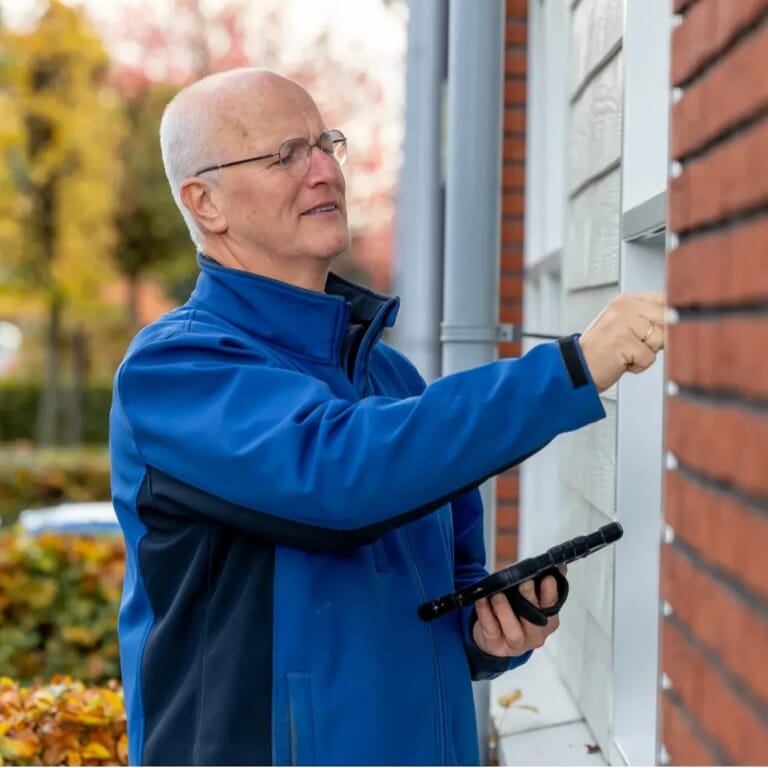
Disconnecting rainwater can be very useful and offers significant advantages. However, it can also have significant disadvantages if disconnected incorrectly or using the correct method. A building inspection with a comprehensive building report is definitely recommended if you want to be sure everything is in order. Homekeur is ready to assist you. Feel free to contact us for more information, advice, or to schedule an appointment.

Would you like to make an appointment for a building inspection?

The cost of a building inspection (up to 250 m²) is only €489 including VAT. We'll conduct a comprehensive building inspection and you'll receive a building report. Do you have any questions? We're happy to help and can schedule an appointment with an expert inspector right away if you wish!

Recent articles

Een vrouw wijst naar een tablet die een man vasthoudt en een andere man kijkt mee
blog
13 February 2026
Hidden defects in a home
Hidden defects are not uncommon, especially in existing homes. They are often not immediately visible, but can have significant consequences for comfort, safety, and costs. This article explains how hidden defects are assessed and the role of investigation and inspection.
blazen plooien bitumen dak
video
13 February 2026
Common roof detail mistakes: what an inspection reveals
During roof inspections, problems often turn out to be not in the roofing itself, but in the details. In this practical case study, we demonstrate which installation errors are frequently encountered and why these, in particular, pose an increased risk of leaks and damage.
WhatsApp Image 2026-02-12 at 08.51.37
video
12 February 2026
Three Roof Eave Mistakes That Cause Leaks (And Are Often Overlooked)
Roof problems rarely arise suddenly. They usually start with a minor issue. In this inspection, we see how a torn lead flashing, improper installation, and a loose joint can all pose a serious risk. What should you look for—and how can you prevent them?