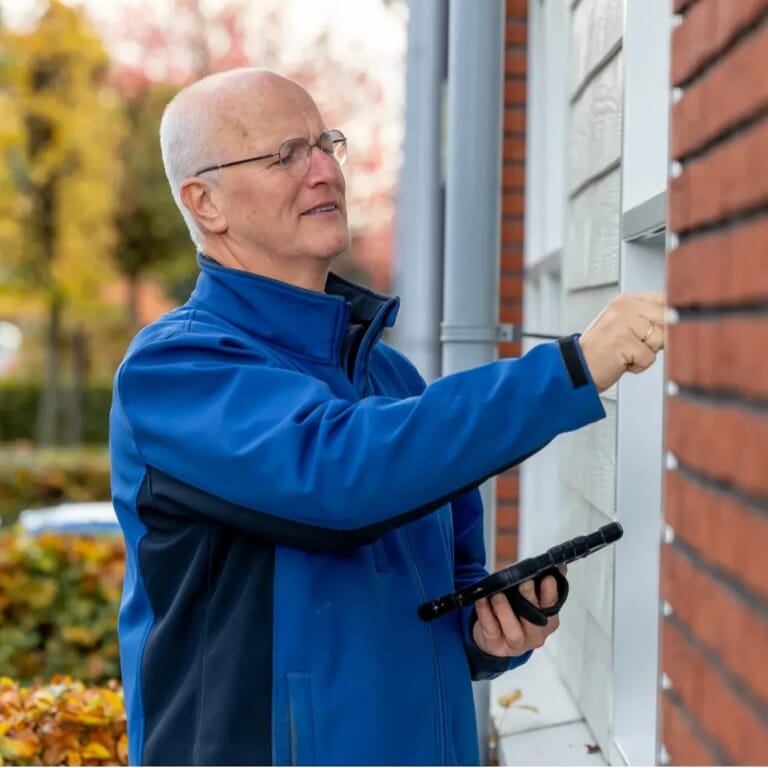

After the building inspection: How do you read and interpret this report?
A building inspection is a valuable step in the home purchase process. The report you receive afterward provides a complete picture of the property's structural condition and clarifies what you should consider, both immediately and in the future. However, reading such a technical document can be challenging for many homebuyers. In this article, we explain how to properly interpret the building inspection report and how to use the information to your advantage during negotiations.
The structure of the building report
The building inspection report is clearly structured and covers all relevant aspects of the home. The foundation, crawl space, facades, window frames, roofs, and installations are assessed, among other things. Each component has a status indicator, for example, "good," "moderate," or "poor." Any defects are also noted, such as wood rot in window frames, cracks in walls, or traces of insect infestation in the woodwork of the roof structure.
It's important that you don't view these reviews in isolation, but always in conjunction with the explanation and the accompanying photos. A "poor" rating generally means that repairs or maintenance will be necessary in the medium term. While it doesn't necessarily indicate a problem, it does indicate that you should expect additional costs.
Direct costs and long-term costs
A key part of the report is the cost overview. This distinguishes between direct costs and long-term costs. How exactly does this work for us?
Direct costs are work you need to carry out almost immediately to prevent further damage or dangerous situations. This could include repairing an active leak in the roof, treating wood infested by woodworm, or replacing damaged beams in the crawl space. These are expenses you'll face immediately after purchase.
Long-term costs refer to work that will be required within a few years. Examples include exterior painting, roof replacement, or updating a central heating system. Although these costs are less urgent, it's important to factor them into your financial planning. The distinction between immediate and future costs helps you get a realistic picture of the total investment the home requires.
Report as a tool for negotiations
The building inspection report isn't just intended to provide insight into the property's condition, but it's also a powerful tool during negotiations. If significant direct costs, such as foundation repairs or roof replacement, are identified, you can use it to lower your offer or negotiate additional terms with the seller.
Even minor defects can play a role. For example, if traces of longhorn beetles or woodworm are found, this indicates that damage already exists that could lead to high costs in the future. In such a case, you can ask the seller to repair the problem beforehand, or you can factor the risk into your offer.
By understanding both immediate and future costs, you can negotiate with greater strength and avoid financial surprises after the purchase.
From technical document to advice
For many buyers, a building inspection report can seem technical and sometimes even overwhelming. Terms like "active leaks," "joist penetrations," or "fungal damage" aren't always easy to understand. That's precisely why Homekeur's services don't stop with the inspection. Our inspectors take the time to carefully review the report with you. They explain the findings in plain language, prioritize repairs, and address future needs. This way, the report becomes a practical tool that tells you exactly what to do and when.
Get certainty and control over your home
A building inspection gives you certainty about the structural condition of the home you're considering buying. The report you receive is more than just a list of defects: it's an essential tool for making a well-informed purchase decision. By understanding which immediate costs are necessary and which will be incurred later, you can better plan your budget and negotiate the price with confidence.
At Homekeur, we not only guide you through a thorough and independent inspection but also provide clear interpretation of the results. This gives you a clear overview of the structural condition of your future home and ensures you know exactly what to expect.
Would you like to make an appointment for a building inspection?
The cost of a building inspection (up to 250 m²) is only €489 including VAT. We'll conduct a comprehensive building inspection and you'll receive a building report. Do you have any questions? We're happy to help and can schedule an appointment with an expert inspector right away if you wish!
Recent articles