
Make an appointment Call now

A healthy indoor climate in a home starts with air quality

Ensuring a healthy indoor climate is crucial for your well-being, with air quality in homes playing a pivotal role in preventing health issues like allergies and respiratory illnesses. Discover how a Homekeur building inspection can help identify air quality concerns and offer practical solutions to create a healthier living environment for you and your family.

A healthy indoor climate is essential for the well-being and health of residents. Air quality in homes plays a crucial role in this. Clean, fresh air is not only comfortable but also prevents health problems caused by mold and other air pollutants. During a Homekeur building inspection, specific attention is paid to factors that can affect indoor air quality.

Importance of good air quality

Good indoor air quality is important for several reasons. It reduces the risk of respiratory illnesses, allergies, and other health problems. It also improves sleep quality and overall living comfort. Clean air contributes to better concentration and increases productivity.

Preventing mold

Mold is a common problem in homes and can seriously affect air quality. It thrives in damp environments and can lead to health problems such as asthma and allergies. Preventing mold growth is therefore essential. This can be achieved through good ventilation, regulating humidity, and promptly addressing any moisture problems.

The Homekeur team is happy to offer you some tips for a healthy indoor climate. Follow these tips to reduce the risk of mold.

  1. Good ventilation: Ensure continuous air exchange through mechanical ventilation systems or by regularly opening windows and doors for natural ventilation.
  2. Air purifiers: Using air purifiers can help filter dust, pollen and other allergens from the air.
  3. Regulating humidity: Optimal humidity is between 40% and 60%. Using humidifiers or dehumidifiers can help maintain this level.
  4. Natural air fresheners: Use plants as natural air fresheners. They not only help purify the air but also enhance the aesthetic value of your home.

Building inspection in home

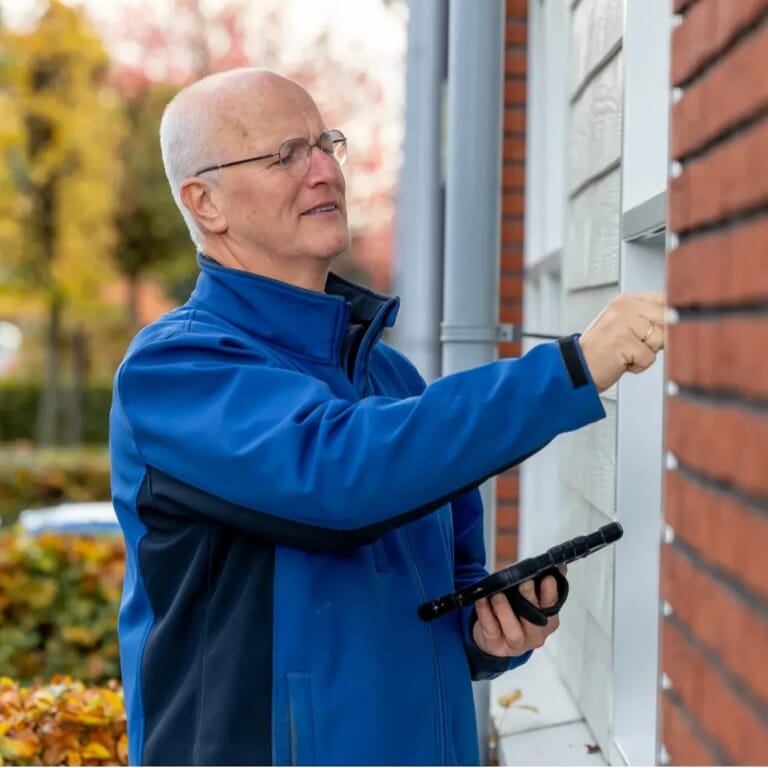
During a building inspection by Homekeur, special attention is paid to aspects that can affect air quality. We examine the condition of ventilation systems, the presence of mold and moisture problems, and the overall air circulation in the home. This inspection provides valuable insights and recommendations to improve and maintain the air quality in your home.

A healthy home starts with ventilation

Maintaining good air quality in your home is essential for the health and well-being of you and your family. By ensuring proper ventilation, regulating humidity, and preventing mold, you can create a healthy indoor climate. A building inspection from Homekeur can help identify potential problems and offer solutions to optimize the air quality in your home.

Want to buy a home and be sure there are no air quality issues? We're happy to determine this for you. Easily schedule your inspection online or contact us for more information. We're happy to help.

Would you like to make an appointment for a building inspection?

The cost of a building inspection (up to 250 m²) is only €489 including VAT. We'll conduct a comprehensive building inspection and you'll receive a building report. Do you have any questions? We're happy to help and can schedule an appointment with an expert inspector right away if you wish!

Recent articles

Een vrouw wijst naar een tablet die een man vasthoudt en een andere man kijkt mee
blog
13 February 2026
Hidden defects in a home
Hidden defects are not uncommon, especially in existing homes. They are often not immediately visible, but can have significant consequences for comfort, safety, and costs. This article explains how hidden defects are assessed and the role of investigation and inspection.
blazen plooien bitumen dak
video
13 February 2026
Common roof detail mistakes: what an inspection reveals
During roof inspections, problems often turn out to be not in the roofing itself, but in the details. In this practical case study, we demonstrate which installation errors are frequently encountered and why these, in particular, pose an increased risk of leaks and damage.
WhatsApp Image 2026-02-12 at 08.51.37
video
12 February 2026
Three Roof Eave Mistakes That Cause Leaks (And Are Often Overlooked)
Roof problems rarely arise suddenly. They usually start with a minor issue. In this inspection, we see how a torn lead flashing, improper installation, and a loose joint can all pose a serious risk. What should you look for—and how can you prevent them?