
Make an appointment Call now

Everything you need to know about heat pumps

Switching to a heat pump can significantly reduce your energy bill while enhancing home comfort, but ensuring its optimal performance requires regular professional inspections and considerations like insulation and suitable distribution systems. As the Netherlands moves away from natural gas, understanding the benefits and requirements of different heat pump types—and leveraging available government incentives—can help you make an informed decision that aligns with the latest building codes and environmental goals.

A heat pump allows you to achieve maximum comfort and a low energy bill. Unlike other heating systems, a heat pump doesn't use fuel. It extracts heat from the ground, the air, or the water and uses it to cool or heat the room.

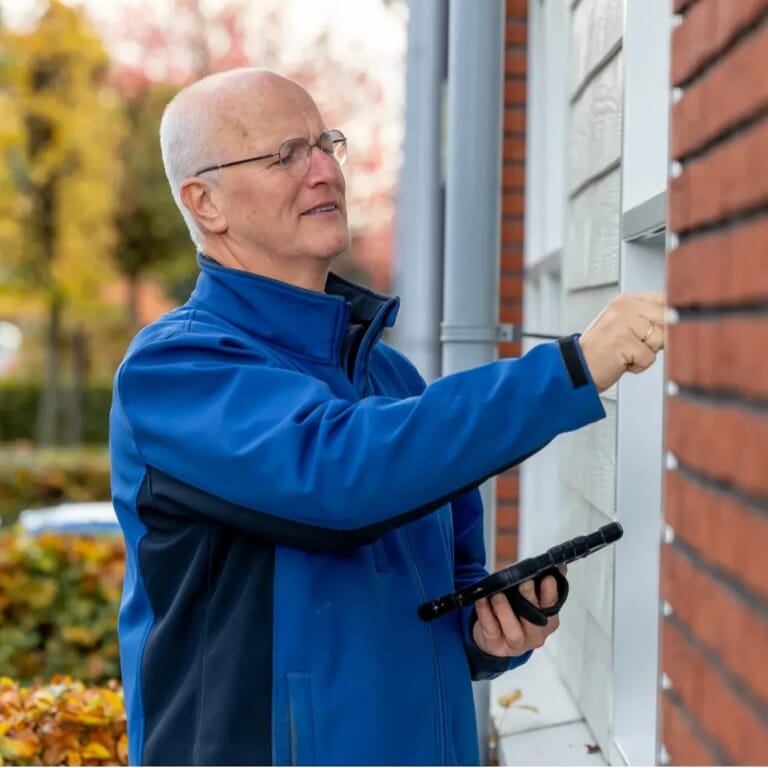
You'll achieve optimal performance if your heat pump is in excellent condition. An annual inspection is therefore always essential. Have this inspection performed by a qualified professional so you never encounter unexpected costs or inconveniences.

What types of heat pumps are there?

Whichever heat pump you choose, you are always assured of high efficiency:

  • An air-to-air heat pump converts outside air into warm air and blows it into the home. It can also turn it into cold air.
  • An air-to-water heat pump extracts heat from the air but releases it to a closed hot water system connected to the underfloor heating or radiators.
  • A water-to-water heat pump extracts heat from groundwater. This allows you to heat your home and provide hot water. You will need two wells around the house, which can be drilled.
  • A geothermal heat pump extracts heat through probes. This also requires drilling approximately 100 meters deep.

Which heat pump do I choose?

The heat pump you choose depends on several factors. Do you want heating only or cooling as well? Is my house well insulated? This is a requirement for a heat pump, as is draft-proofing. How big is the house? A heat pump offers optimal results in small to medium-sized homes.

To keep the heat pump running, you do need electricity. It might be helpful to combine the heat pump with solar panels to cover its energy consumption. Your distribution system must also be suitable for low-temperature heating. If you have underfloor heating as your primary heating source, low-temperature radiators, or perhaps a combination of both, you're in good hands.

What can I save?

Even though you'll use more energy with a heat pump, you'll still save on your energy bill. While you'll have additional electricity costs, these are lower than the price of gas. On average, the savings are around €300 per year. The government offers an additional financial incentive if you choose a heat pump. You can receive a grant ranging from €300 to €4000. This makes purchasing a heat pump even more attractive.

It's becoming increasingly clear that natural gas is long gone in the Netherlands. The harmful effects of years of gas extraction are becoming increasingly clear. Therefore, the latest building code stipulates that new homes must be designed without a natural gas connection and that existing gas connections must be disconnected over time.

Points of attention when inspecting a heat pump

During an inspection, for example, one checks for leaks, as these can damage other materials. Or if water gets into the electronics, it can even cause a short circuit. An inspection can reveal things that might otherwise go unnoticed and could cause significant problems. Each type of heat pump requires different inspection points.

Furthermore, the water pressure in the source and delivery systems is checked, as well as the expansion capacity. Is the wiring sound and undamaged? Are all components secure? Are the sensors and the water pump menu functioning? Is there excessive power consumption? Are the filters severely clogged? Is the wiring secure? Are there any signs of leakage? What are the operating hours? A visual inspection of the refrigerant lines and the compressor is also performed.

Prevent trouble with an inspection

Heat pumps are comprised of various components, each of which can malfunction. Therefore, it's crucial to know the heat pump's condition before purchasing the property. This requires an expert eye, someone who knows what they're doing.

Therefore, request a building inspection now to rule out hidden defects in this area and possibly others as well. Homekeur specializes in building inspections, which are often required when buying a house. These reports detail the condition of the house and any maintenance needs. So never buy a house before you know exactly whether you'll face any unexpected costs.

Would you like to make an appointment for a building inspection?

The cost of a building inspection (up to 250 m²) is only €489 including VAT. We'll conduct a comprehensive building inspection and you'll receive a building report. Do you have any questions? We're happy to help and can schedule an appointment with an expert inspector right away if you wish!

Recent articles

Een vrouw wijst naar een tablet die een man vasthoudt en een andere man kijkt mee
blog
13 February 2026
Hidden defects in a home
Hidden defects are not uncommon, especially in existing homes. They are often not immediately visible, but can have significant consequences for comfort, safety, and costs. This article explains how hidden defects are assessed and the role of investigation and inspection.
blazen plooien bitumen dak
video
13 February 2026
Common roof detail mistakes: what an inspection reveals
During roof inspections, problems often turn out to be not in the roofing itself, but in the details. In this practical case study, we demonstrate which installation errors are frequently encountered and why these, in particular, pose an increased risk of leaks and damage.
WhatsApp Image 2026-02-12 at 08.51.37
video
12 February 2026
Three Roof Eave Mistakes That Cause Leaks (And Are Often Overlooked)
Roof problems rarely arise suddenly. They usually start with a minor issue. In this inspection, we see how a torn lead flashing, improper installation, and a loose joint can all pose a serious risk. What should you look for—and how can you prevent them?