
Make an appointment Call now

What is the 'As is, where is' clause in a purchase agreement?

In the overheated Dutch housing market, buyers often encounter the "As is, where is" clause in purchase contracts, which can leave them solely responsible for any defects that surface after the sale. Understanding the implications of this clause and the importance of a thorough building inspection can protect potential homeowners from unexpected financial burdens.

The housing market in the Netherlands is tight and overheated. Buyers are willing to go the extra mile to acquire their dream home. They're less demanding and taking greater risks, such as skipping the building inspection . This can have significant financial consequences and is definitely not recommended. Another thing we're seeing is the "As is, where is" clause being increasingly included in purchase contracts by real estate agents and sellers. What exactly is this, and what risks do you face if it's included in your purchase contract? We'd be happy to tell you more.

As is where is – clause

The "As is, where is" clause means you buy the property in its current condition. This also means the seller is in no way liable for any defects that may come to light after the transfer. Similar clauses already exist, such as the age clause, which excludes defects due to age. The "As is, where is" clause goes further. It makes you, the buyer, responsible for all defects, both visible and potentially hidden. This clause has no legal definition and therefore carries additional risk for the buyer. Sellers can fully protect themselves with this clause.

A building inspection is therefore a must

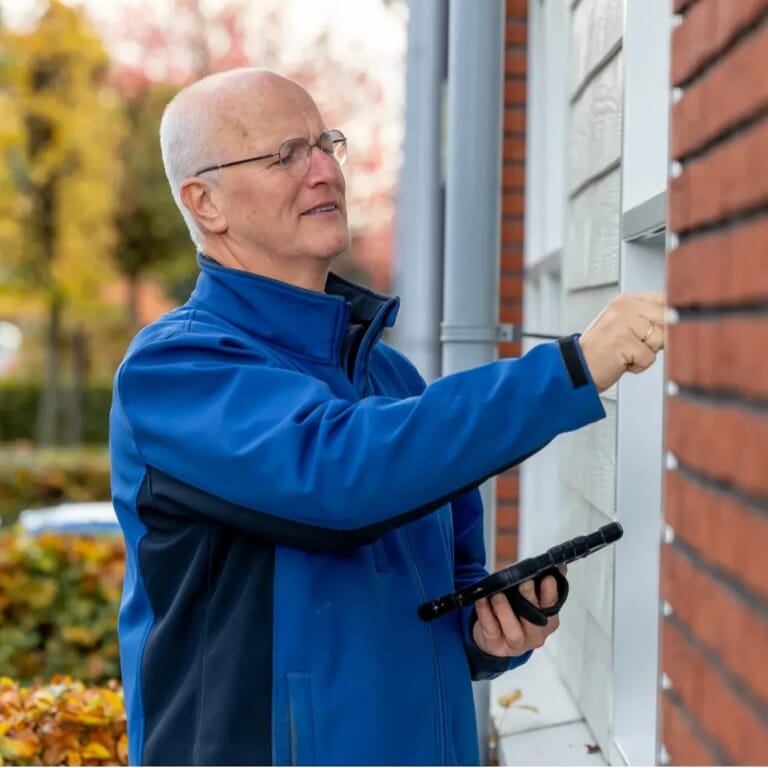
With an "As Is Where Is" clause, you purchase the property in its current condition. If any defects come to light after the transfer, you are responsible for repairing or replacing them yourself. This can be expensive. Therefore, with an "As Is Where Is" clause, it's crucial to have clarity about the property's actual condition. This clarity is provided by a building inspection. During this inspection, the property is thoroughly inspected and examined to identify any defects. If we conduct this inspection for you, you will receive a detailed report on the property's technical condition.

What defects can be identified?

In some cases, problems with the property are already clearly visible. Unfortunately, it's also common for problems to be present that aren't immediately apparent during a viewing. These problems are identified during a building inspection. This can include structural issues, such as damaged foundations, cracks in load-bearing walls, or wood rot. It can also involve technical defects, such as leaking pipes and outdated electrical systems. Of course, hidden defects, such as asbestos or damp problems behind the walls, are also revealed.

Avoid high costs after purchasing a home

The risk of unexpected problems for the buyer is very high when an "as is, where is" clause is included in the purchase contract. All responsibility lies with the buyer. This means you could be faced with unexpectedly high costs. This can be prevented by having us conduct a building inspection beforehand. We provide clarity, so you know exactly what you're buying and the potential risks you're taking. You can schedule an appointment with us directly online. Would you like to know more first? Feel free to contact us.

Would you like to make an appointment for a building inspection?

The cost of a building inspection (up to 250 m²) is only €489 including VAT. We'll conduct a comprehensive building inspection and you'll receive a building report. Do you have any questions? We're happy to help and can schedule an appointment with an expert inspector right away if you wish!

Recent articles

Een vrouw wijst naar een tablet die een man vasthoudt en een andere man kijkt mee
blog
13 February 2026
Hidden defects in a home
Hidden defects are not uncommon, especially in existing homes. They are often not immediately visible, but can have significant consequences for comfort, safety, and costs. This article explains how hidden defects are assessed and the role of investigation and inspection.
blazen plooien bitumen dak
video
13 February 2026
Common roof detail mistakes: what an inspection reveals
During roof inspections, problems often turn out to be not in the roofing itself, but in the details. In this practical case study, we demonstrate which installation errors are frequently encountered and why these, in particular, pose an increased risk of leaks and damage.
WhatsApp Image 2026-02-12 at 08.51.37
video
12 February 2026
Three Roof Eave Mistakes That Cause Leaks (And Are Often Overlooked)
Roof problems rarely arise suddenly. They usually start with a minor issue. In this inspection, we see how a torn lead flashing, improper installation, and a loose joint can all pose a serious risk. What should you look for—and how can you prevent them?