
Make an appointment Call now

Skipping a building inspection poses a major risk

Homebuyers often find themselves in a real house hunt these days. This often forces them to take risks to secure a home. One of these risks many buyers take is skipping the building inspection, which can ultimately cause problems for them. The idea, of course, is to save time or encourage the buyer to choose the seller more quickly. Unfortunately, skipping a building inspection can also have significant structural and financial consequences. We'd be happy to tell you more about this in this article!

Why skip a building inspection?

In this overly tight housing market, thoroughly considering whether a house is the perfect match isn't really possible. In many cases, homes sell within a few days. Offers not only have to be submitted quickly but often also have to be significantly higher than the asking price. To increase their chances of success, more and more buyers are choosing to set as few conditions as possible. They feel the pressure to miss out on the property otherwise. Because buyers want to set fewer conditions, the building inspection is often skipped. Financing contingencies are also increasingly waived. However, we don't recommend skipping a building inspection. Here are three reasons to consider it:

blog_bouwkundige_keuring_homekeur

1. Hidden defects

Many homebuyers who skip the building inspection bring a "handy uncle" with some technical knowledge along to the viewing. Technical knowledge is beneficial, but not enough to spot every hidden defect. A house can look perfect and still have serious defects, for example, under the floor or behind the walls. These can include wood rot, sown wood, woodworm, foundation problems, outdated electrical systems, or moisture problems. Without a building inspection, these hidden defects often only come to light after the purchase has been fully completed. The high repair costs are then often the responsibility of the new owner.

2. Financial consequences due to unexpected costs

Overbidding has become the norm these days. Homebuyers often borrow the maximum amount to be able to overbid and finance the property. This means there's very little financial leeway left when the deal is almost finalized. This is especially true for first-time buyers. Unexpected repairs that are needed on the property can cause financial difficulties or even be unaffordable for the new homeowners. Many repair costs are often high, such as those for fixing foundation problems or replacing the roof. A building inspector can warn you of this in advance.

3. Limited legal options

It's often thought that the costs of repairing or replacing hidden defects are often the responsibility of the previous owner. However, the seller of the property is often not required to provide clarity about the existing problems. Firstly, it's not always the case that the seller was aware of the problems. Moreover, without a building inspection, it's very difficult to prove that the hidden defects existed before the purchase of the property. This means that the costs of repair or replacement often cannot be recovered from the previous owner.

Always have a building inspection carried out

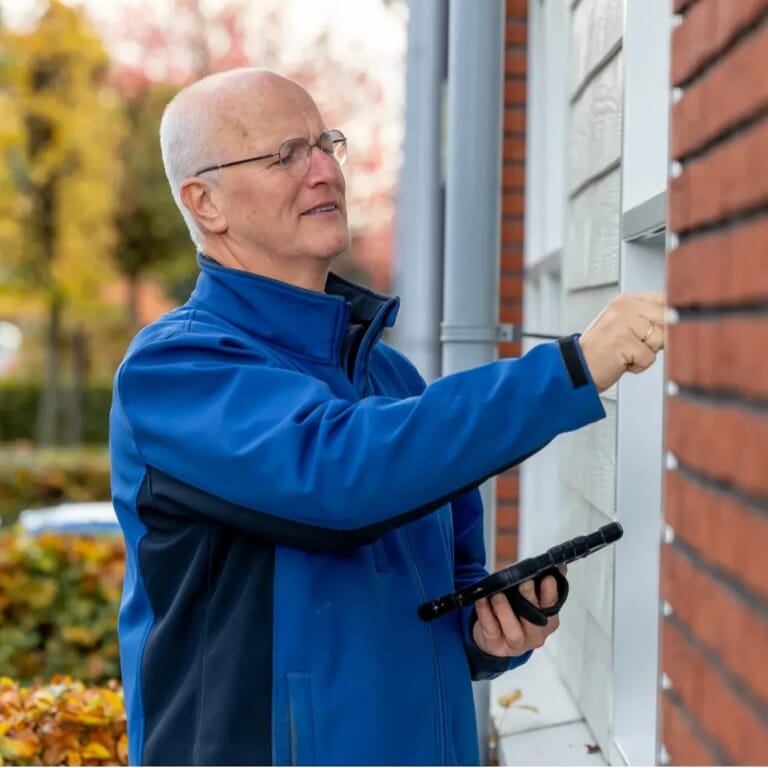
You can easily prevent the problems mentioned above by having your property thoroughly inspected. This way, you'll always have a clear understanding of exactly what you're buying and the potential costs involved. We're happy to conduct this building inspection for you and prepare a comprehensive report. This provides peace of mind. Skipping the building inspection can save time and money now, but it can quickly lead to significant financial risks.

Recent articles

Een laptop geopend met de website funda
blog
04 June 2026
7 signs of foundation problems during a viewing
Are you buying a home? Then naturally, you don't want to overlook any hidden defects. Foundation problems are among the most costly defects a home can have, with repair costs that can run into tens of thousands of euros. Fortunately, signs indicating foundation damage or subsidence are often visible during a viewing. In this article, we discuss seven important features to look out for before making an offer.
Fundering
blog
02 June 2026
Foundation problems in homes: risks, repair costs, and investigation
Foundation problems are a growing issue in the Netherlands. Due to soil subsidence, drought, and fluctuating groundwater levels, an increasing number of homes are experiencing subsidence and foundation damage. For homeowners and prospective buyers, this can have significant financial consequences. But which homes are most at risk? What does foundation repair cost? And how can you recognize or investigate foundation problems before purchasing? In this article, you will read everything you need to know about foundation problems in the Netherlands.
WhatsApp Image 2026-04-09 at 14.20.19
blog
09 April 2026
New valuation report includes a foundation assessment
As of April 1, 2026, the new Residential Property Valuation Report model applies in the Netherlands, in which foundation assessment plays a much larger role. This has direct consequences for buyers, sellers, and appraisers. Homekeur conducts foundation risk assessments in accordance with the new legislation.