
Make an appointment Call now

Common problems with rainwater drains

Ensuring your home's rainwater drainage system is functioning correctly is crucial to prevent costly water damage and structural issues. Discover the common pitfalls of downpipes and learn how a professional building inspection can safeguard your investment and provide peace of mind.

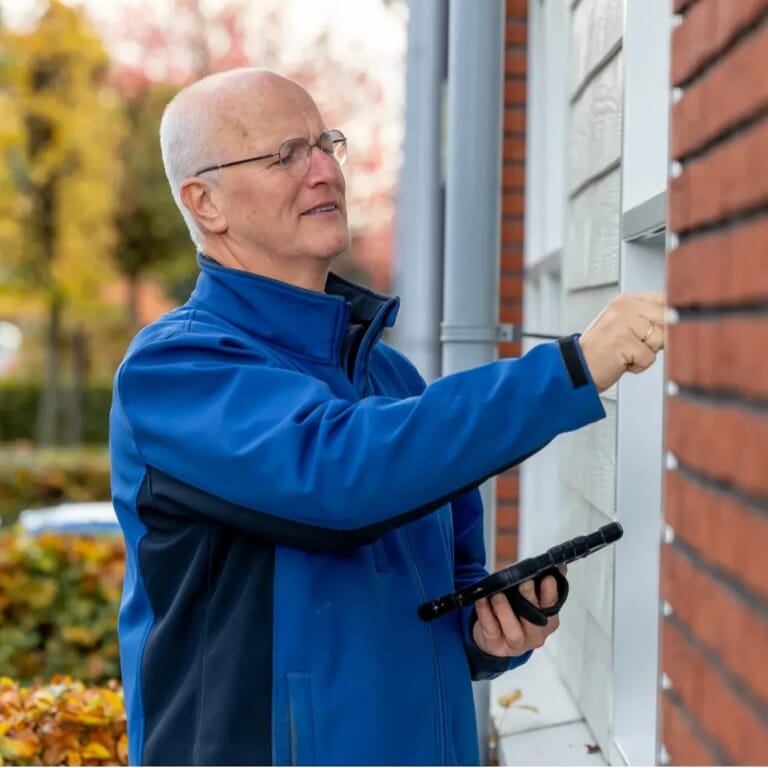
Downpipes are designed to transport rainwater away from the roof and gutters, to the sewer system, to a gravel pit, or to an above-ground point in the garden. It's important that rainwater is drained away from the roof and gutters, but it's also crucial that it's transported to the correct location. If rainwater collects in the wrong place, it can have unpleasant consequences. During a building inspection, you can have a complete home inspection. This includes checking the condition of the downpipes. Homekeur provides insight into four of the most common problems with downpipes.

1. Damage and defects to the rainwater drainage system

Various types of damage and defects occur in rainwater drains. In many cases, this involves mechanical damage or defects that can be repaired relatively easily, for example, by replacing a part with a new one. Such problems can usually be resolved quickly and relatively inexpensively.

2. Shifting and subsidence of the drains

Rainwater drains can shift over the years, for example, drifting apart, but they can also subside. This often leads to connections becoming defective, requiring repair for optimal functioning. If necessary, components can be replaced immediately. In many cases, such repairs and replacements are quick and easy.

3. Incorrect location of water collection

It's more common for rainwater drains to end above ground instead of below ground, near the sewer system . This doesn't necessarily have to be a problem, but it can certainly happen. Therefore, always have this checked thoroughly during a building inspection. If water collects at the wrong point and can't drain easily, this can cause problems. For example, if water collects against the facade and has difficulty draining away, the rainwater will seep into the facade, with all the ensuing consequences. If the water collects at the right point and can drain away easily, then there's nothing wrong, and you don't need to make any changes.

4. Insufficient storage capacity in the (gravel) pit

Rainwater drains can also end in a (gravel) drain. This can be fine, but it's important that the groundwater drain has sufficient retention capacity. If not, the facade will be heavily loaded by the water, causing moisture problems. Ultimately, this can lead to major problems that are often not immediately detected. These can include weakened soil structures and foundations, or defects in basement walls and floor joists.

Construction inspection of rainwater drains

If something isn't right with your rainwater drainage system, it can sooner or later lead to serious problems. You'll then face high costs, and you naturally want to avoid this. Are you planning to buy a house and want to be sure that everything is in order with both the house and the rainwater drainage system? Then choose a building inspection by Homekeur. Want to know more? Feel free to contact us without obligation. Of course, you can also schedule an appointment right away if you prefer. With Homekeur, you always choose certainty.

Would you like to make an appointment for a building inspection?

The cost of a building inspection (up to 250 m²) is only €489 including VAT. We'll conduct a comprehensive building inspection and you'll receive a building report. Do you have any questions? We're happy to help and can schedule an appointment with an expert inspector right away if you wish!

Recent articles

Een vrouw wijst naar een tablet die een man vasthoudt en een andere man kijkt mee
blog
13 February 2026
Hidden defects in a home
Hidden defects are not uncommon, especially in existing homes. They are often not immediately visible, but can have significant consequences for comfort, safety, and costs. This article explains how hidden defects are assessed and the role of investigation and inspection.
blazen plooien bitumen dak
video
13 February 2026
Common roof detail mistakes: what an inspection reveals
During roof inspections, problems often turn out to be not in the roofing itself, but in the details. In this practical case study, we demonstrate which installation errors are frequently encountered and why these, in particular, pose an increased risk of leaks and damage.
WhatsApp Image 2026-02-12 at 08.51.37
video
12 February 2026
Three Roof Eave Mistakes That Cause Leaks (And Are Often Overlooked)
Roof problems rarely arise suddenly. They usually start with a minor issue. In this inspection, we see how a torn lead flashing, improper installation, and a loose joint can all pose a serious risk. What should you look for—and how can you prevent them?