
Make an appointment Call now

5 Possible defects in a dormer window

A dormer window offers significant benefits, such as more natural light in the attic and increased space. Dormers are often installed in homes to convert the attic into an extra bedroom or a home office. A well-designed dormer window often increases the house's value.

Are you considering buying a house with a dormer window? Then it's important to have it inspected for potential defects. During a building inspection, we'll look at several points, which we'll discuss in this blog post.

Construction inspection of dormer window

Precisely because dormers offer so many advantages, and buyers are often very enthusiastic about their presence, people sometimes forget to have them inspected. It's always important to have your dormer checked with a building inspection. If there are any defects, you can decide to make a lower offer or agree to have the defects repaired before the house is purchased. We're happy to provide you with insight into the five most common potential dormer defects.

1. Leaking glazing

The glazing in a dormer window can look excellent, but still leak. Leaks cause significant long-term problems, making it important to quickly identify and address leaks. Promptly repairing a leak in the dormer window can prevent further damage.

2. Wood rot

Dormer windows can be made of various materials. Some dormers are made of plastic, which is certainly more common in more modern homes. However, a large proportion of Dutch dormer windows are made entirely or partially of wood, meaning they can be susceptible to wood rot.

3. Malfunctioning hinges

Hinges should work properly, but this isn't always the case. If they're not properly maintained, they deteriorate. Eventually, they start to squeak and creak, and may even stop working altogether. Therefore, it's always important to check your hinges for proper operation.

4. Worn roof

A home's roof endures a lot. This is certainly true for the roofing of a dormer window . Unfortunately, this is often overlooked. When you have a building inspection performed, the quality of the dormer roof will also be checked. A worn-out roof can cause various annoying problems, including, of course, leaks.

Dormer inspection

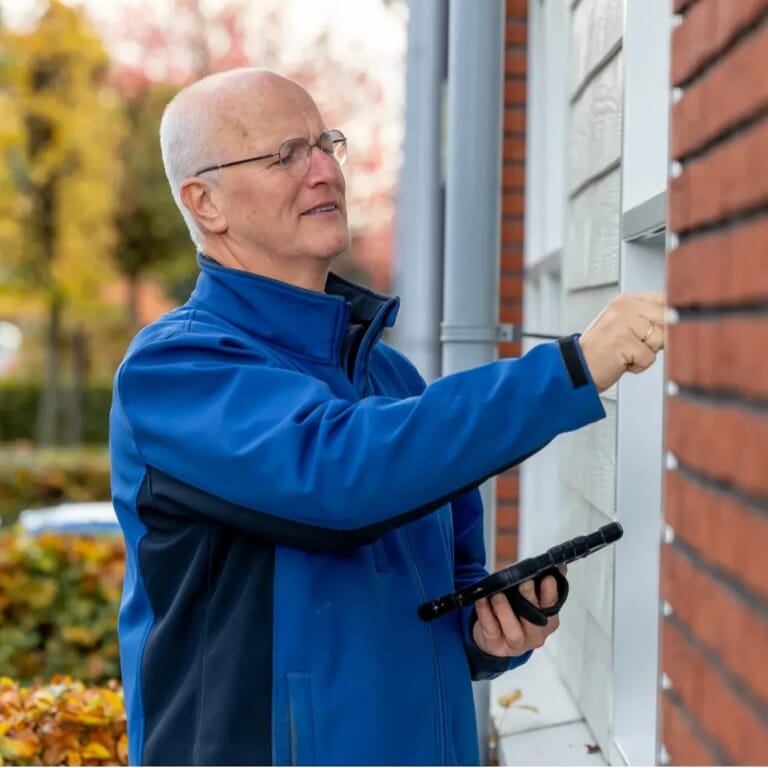
In the video below you can see how our inspector René inspects the dormer window.

5. Incorrect installation

In many cases, the dormer is installed by an experienced, professional company. However, it's also common for installation to be left to a less experienced contractor. Some people even install the dormer themselves without the necessary expertise. Therefore, it's always important to have the installation properly checked. Incorrect installation on the roof can cause significant problems and risks.

Would you like to make an appointment for a building inspection?

The cost of a building inspection (up to 250 m²) is only €489 including VAT. We'll conduct a comprehensive building inspection and you'll receive a building report. Do you have any questions? We're happy to help and can schedule an appointment with an expert inspector right away if you wish!

Recent articles

Een vrouw wijst naar een tablet die een man vasthoudt en een andere man kijkt mee
blog
13 February 2026
Hidden defects in a home
Hidden defects are not uncommon, especially in existing homes. They are often not immediately visible, but can have significant consequences for comfort, safety, and costs. This article explains how hidden defects are assessed and the role of investigation and inspection.
blazen plooien bitumen dak
video
13 February 2026
Common roof detail mistakes: what an inspection reveals
During roof inspections, problems often turn out to be not in the roofing itself, but in the details. In this practical case study, we demonstrate which installation errors are frequently encountered and why these, in particular, pose an increased risk of leaks and damage.
WhatsApp Image 2026-02-12 at 08.51.37
video
12 February 2026
Three Roof Eave Mistakes That Cause Leaks (And Are Often Overlooked)
Roof problems rarely arise suddenly. They usually start with a minor issue. In this inspection, we see how a torn lead flashing, improper installation, and a loose joint can all pose a serious risk. What should you look for—and how can you prevent them?