
Make an appointment Call now

The new energy label: everything you need to know about it

Since January 1, 2021, we've been dealing with the new energy label. In 2015, all Dutch homeowners received a provisional energy label. This had to be finalized by the homeowner when selling their home. The buyer can read the home's energy efficiency from the energy label. A building inspection can then clarify any additional costs, including those related to energy consumption. This building inspection can, of course, still be performed by Homekeur, but the energy label is now structured slightly differently.

The energy label is determined in a different way

The method for determining energy labels has changed since January 1, 2021. The European directive on the energy performance of buildings has been revised, and in line with this revision, the method for determining energy labels has been changed. This also means that a definitive energy label can no longer be requested and obtained entirely online. A certified advisor will now visit your home to perform the necessary measurements and investigations. The results are entered into a specially developed software program, which then determines the definitive energy label. The applicant often receives the definitive energy label for their home within a day.

Energy label and standards

When a home receives a positive energy label, it means it's energy-efficient. For homebuyers, this primarily means high living comfort and low energy costs . A positive energy label also increases the property's value for sellers. Therefore, it's always worthwhile for homeowners to make their homes more energy-efficient before applying for the label, and therefore also before putting the property up for sale.

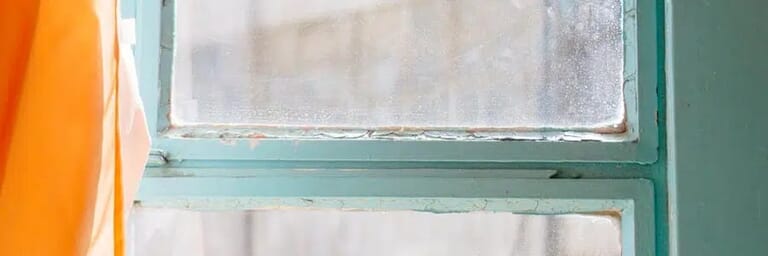
enkel-glas-energielabel-g.jpg

Energy labels have several standards. Energy label A is the most favorable and energy label G is the least favorable. These standards can then be supplemented. The best available energy label is energy label A++++.

What is checked during an inspection?

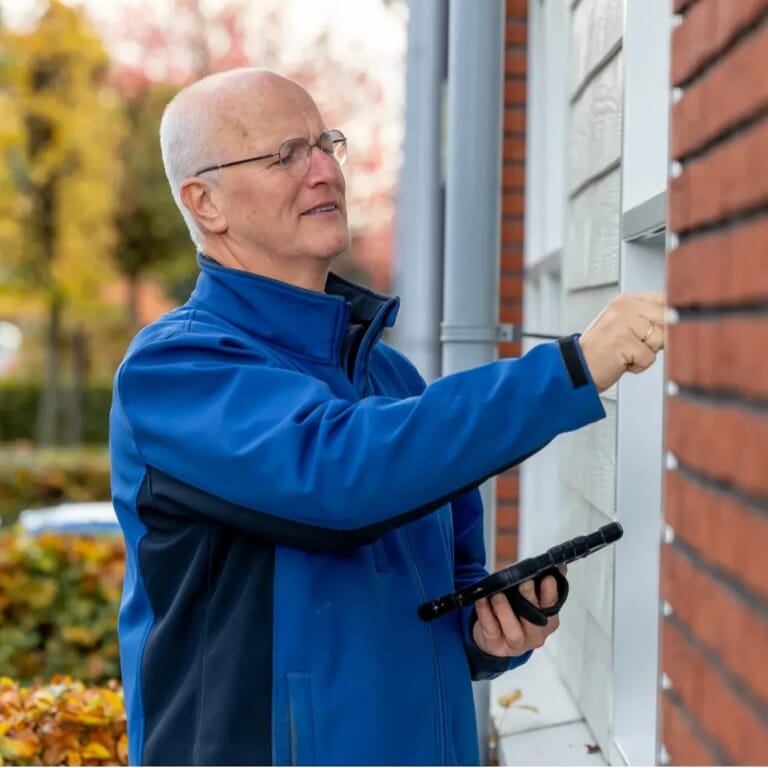
To obtain a new energy label for your home, it will be inspected by a certified, experienced party. During an appointment, your home will be thoroughly examined. We will look at aspects such as ventilation , heating and cooling systems, water, glazing, and various types of insulation, including floor, roof, and wall insulation. The home's energy performance is then presented in a report. In some cases, the report also includes recommendations for improving the home's energy efficiency, which can then lead to a better energy label.

Easily request an energy label for your home

The cost of an energy label (up to 190 m²) is only €349 including VAT. A certified energy advisor will visit you, inspect the property, and officially register the energy label in EP-online. If the property is larger than 190 m², we charge €0.65 per additional square meter. Do you have any questions? We're happy to help and, if desired, can schedule an appointment with a certified advisor right away!

Recent articles

Een vrouw wijst naar een tablet die een man vasthoudt en een andere man kijkt mee
blog
13 February 2026
Hidden defects in a home
Hidden defects are not uncommon, especially in existing homes. They are often not immediately visible, but can have significant consequences for comfort, safety, and costs. This article explains how hidden defects are assessed and the role of investigation and inspection.
blazen plooien bitumen dak
video
13 February 2026
Common roof detail mistakes: what an inspection reveals
During roof inspections, problems often turn out to be not in the roofing itself, but in the details. In this practical case study, we demonstrate which installation errors are frequently encountered and why these, in particular, pose an increased risk of leaks and damage.
WhatsApp Image 2026-02-12 at 08.51.37
video
12 February 2026
Three Roof Eave Mistakes That Cause Leaks (And Are Often Overlooked)
Roof problems rarely arise suddenly. They usually start with a minor issue. In this inspection, we see how a torn lead flashing, improper installation, and a loose joint can all pose a serious risk. What should you look for—and how can you prevent them?