Mastic roofing: nostalgia or still relevant?
When we inspect homes at Homekeur BV, we regularly encounter old roofs with a unique type of roofing: mastic . This classic roof finish evokes nostalgia for many, but also raises questions. What exactly is mastic, how do you recognize it, and is it still suitable for the future? In this blog post, we'll take you on a journey into the world of mastic roofing.
What is mastic?
Mastic is an outdated type of roofing that was once widely used on flat roofs, especially between 1920 and 1970. It consists of a mixture of bitumen, fillers (such as limestone), and sometimes tar. The mixture was applied to the roof in a hot form and then hardened into a strong, waterproof layer. It's also commonly called "mastic coat" and is still found primarily on older houses, apartment buildings, and apartment buildings.
Characteristics of mastic
A mastic layer is usually black and appears quite robust. It has a somewhat bumpy, cracked, or fissured texture. Sometimes you see that multiple layers have been applied over the years. Mastic can often be recognized by:
A thick, grainy texture
Small cracks or tears
Weathered or crumbly areas
A bituminous smell in warm weather
Disadvantages of mastic roofing
While mastic used to be a popular choice, it has since lost a lot of popularity—and for good reason. Here are the disadvantages:
Ageing : Mastic ages quickly and becomes brittle, which can cause leaks.
Environmental impact : Mastic may contain tar, which is harmful to humans and the environment.
Maintenance-sensitive : Old mastic layers are difficult to repair and are difficult to combine with modern roofing.
Insulation value : Mastic has hardly any insulating properties, which is contrary to current energy standards.
What if your home has mastic on the roof?
If you discover mastic on your roof during a building inspection, it's wise to consider replacing it. While the roof may not be leaking yet, it's often only a matter of time. A roof renovation with modern materials like bitumen, EPDM, or PVC is a future-proof option.
It's also important to know that some mastic roofs are considered suspect due to potential tar and PAH (polycyclic aromatic hydrocarbon) content. In some cases, asbestos testing may even be necessary during demolition or renovation.
Advice from Homekeur
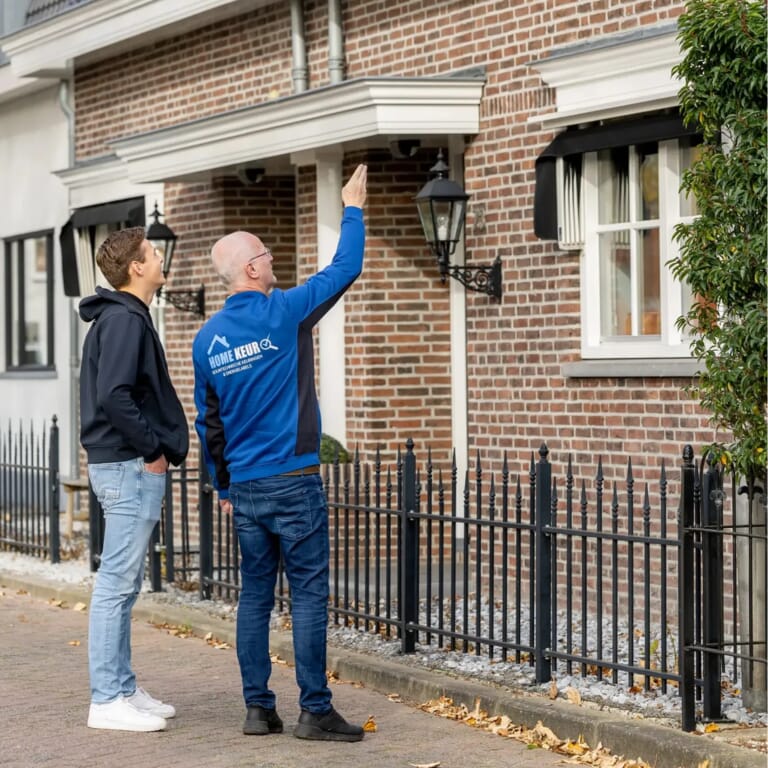
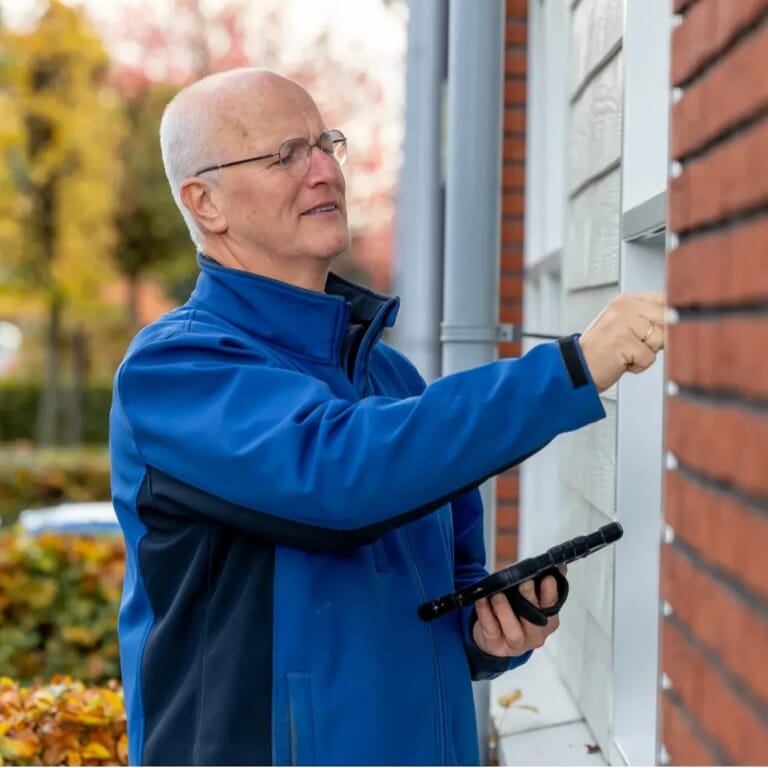
At Homekeur BV, we always recommend having a building inspection performed if you have any doubts about the condition of your roof. Our inspectors can immediately identify mastic and advise you on its technical condition, risks, and next steps. This prevents surprises and ensures a safe and sustainable home.
Would you like to make an appointment for a building inspection?
The cost of a building inspection (up to 250 m²) is only €489 including VAT. We'll conduct a comprehensive building inspection and you'll receive a building report. Do you have any questions? We're happy to help and can schedule an appointment with an expert inspector right away if you wish!
Recent articles