Make an appointment Call now

Making flue gas discharge safer for homeowners' associations: 6 tips

It's important for the Homeowners Association (VvE) to know exactly how the flue gas system works. This also applies to all residents within the complex. If the central heating boiler needs replacing, the associated risks must be taken into account.

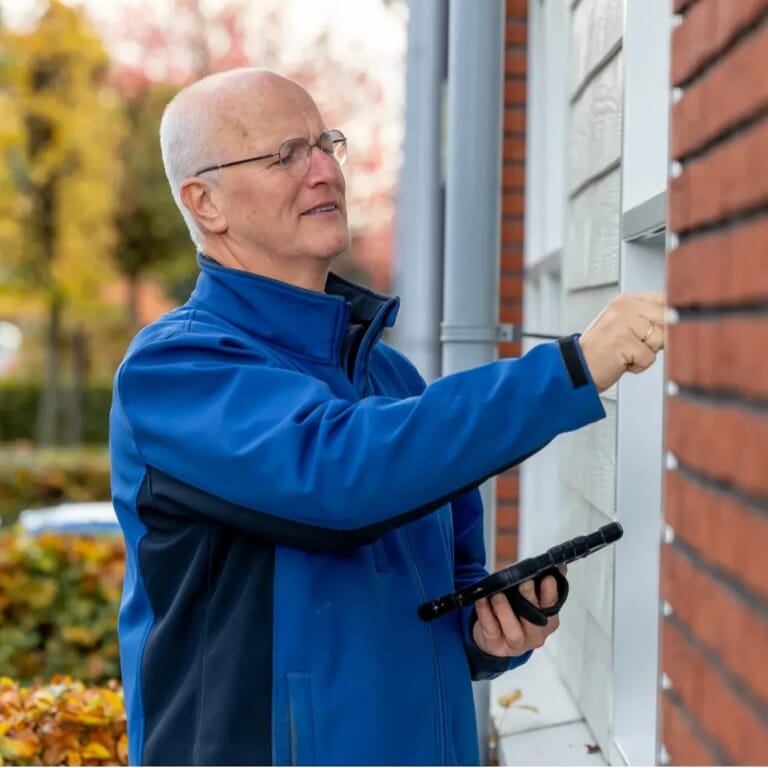
Construction inspection determines safety

A building inspection can clarify the quality and safety of your central heating boiler. If there are problems with the flue, this can lead to carbon monoxide poisoning. Naturally, this is a risk you don't want to take. Below, we're happy to offer you 6 tips for making your flue safer.

1. Adjustment of the flue gas exhaust

It's important that the flue gas duct matches the boiler. A high-efficiency boiler (HR boiler) requires a different flue gas duct than an improved-efficiency boiler (VR boiler). If you choose to replace your HR boiler with a VR boiler, make sure to adjust or replace the flue gas duct immediately.

2. Reserve a budget for the flue gas exhaust duct

Adjusting or replacing a flue gas duct involves significant costs. This can be a significant expense for residents. Therefore, it's advisable to spread the costs and include the flue gas duct in the Multi-Year Maintenance Plan (MJOP).

3. Inspect regularly

A flue gas duct doesn't have an indefinite lifespan. Over the years, its quality deteriorates, as is the case with many things. It's important to have the flue professionally inspected regularly to ensure continued good quality.

4. Check the drain on a new boiler

Not every type of central heating boiler can be safely connected to the existing flue. If a boiler needs to be replaced, it's important to carefully check which models can be safely connected to the flue. This also means that it's not advisable for residents to replace a boiler themselves without informing the homeowners' association (VvE).

5. Ensure clear communication

For a homeowners' association (VvE), it's crucial to have good, optimal, and clear communication with residents regarding boilers and the flue gas duct. This prevents residents from replacing their VR boiler with an HRT boiler without realizing that the shared flue gas duct will need to be replaced or modified.

6. Stay well informed

It's important for a homeowners' association (VvE) to stay informed about market developments and regulations regarding boiler replacement. By having the best possible knowledge, many risks can be avoided.

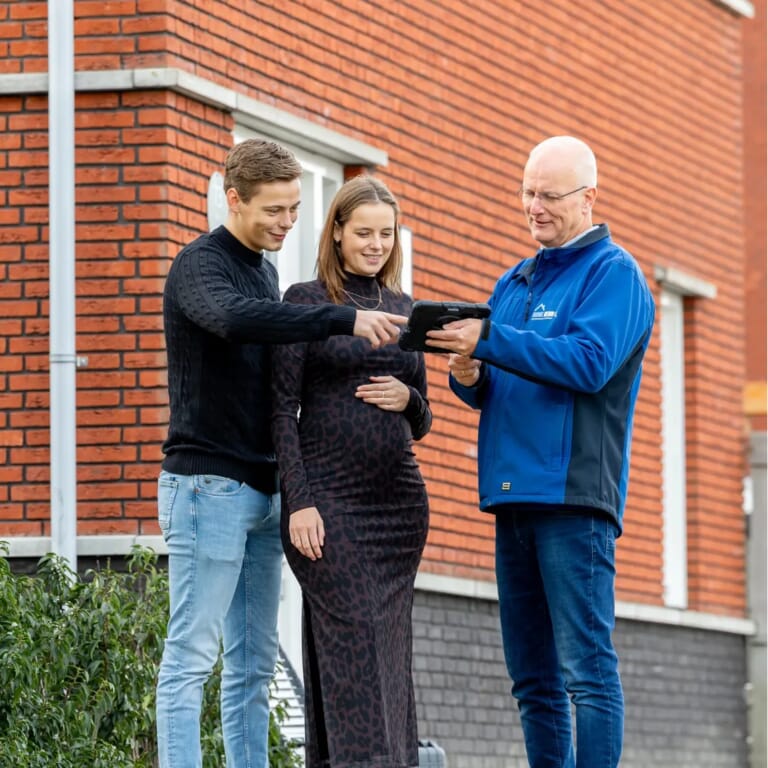
Would you like to make an appointment for a building inspection?

The cost of a building inspection (up to 250 m²) is only €489 including VAT. We'll conduct a comprehensive building inspection and you'll receive a building report. Do you have any questions? We're happy to help and can schedule an appointment with an expert inspector right away if you wish!

Recent articles

Een vrouw wijst naar een tablet die een man vasthoudt en een andere man kijkt mee
blog
13 February 2026
Hidden defects in a home
Hidden defects are not uncommon, especially in existing homes. They are often not immediately visible, but can have significant consequences for comfort, safety, and costs. This article explains how hidden defects are assessed and the role of investigation and inspection.
blazen plooien bitumen dak
video
13 February 2026
Common roof detail mistakes: what an inspection reveals
During roof inspections, problems often turn out to be not in the roofing itself, but in the details. In this practical case study, we demonstrate which installation errors are frequently encountered and why these, in particular, pose an increased risk of leaks and damage.
WhatsApp Image 2026-02-12 at 08.51.37
video
12 February 2026
Three Roof Eave Mistakes That Cause Leaks (And Are Often Overlooked)
Roof problems rarely arise suddenly. They usually start with a minor issue. In this inspection, we see how a torn lead flashing, improper installation, and a loose joint can all pose a serious risk. What should you look for—and how can you prevent them?