
Make an appointment Call now

Leakage through a lead flashing? Take action!

Don't let worn lead flashing turn your dream home into a nightmare of leaks and mold. Discover why regular inspections of this critical component are essential to maintaining the integrity of your property and preventing costly water damage.

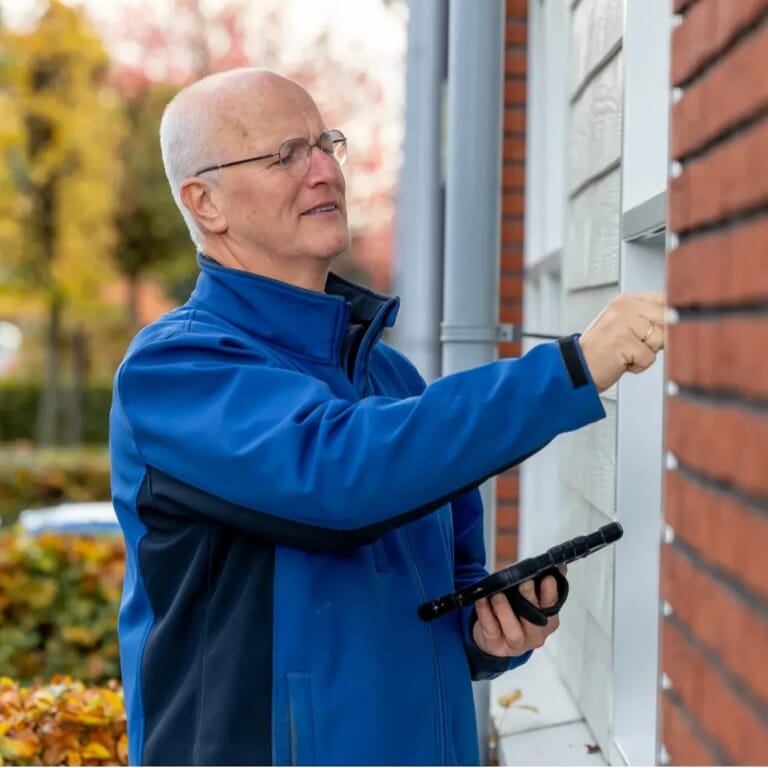
A lead flashing is a strip of lead used to create a watertight connection between various parts of a building, such as a dormer window, roof, or chimney. The lead prevents rainwater from seeping into the wall. If the lead flashing of your house or building is worn, broken, or bent, it can cause a leak. A leak in the lead flashing is very annoying and can cause significant damage. During a building inspection , we always inspect the condition of the lead flashing around the house.

Causes of a leak through a lead flashing

It's important to check the lead flashing at least twice a year. Are they still properly secured in the concrete? Is the concrete joint still in good condition? Are there cracks in the lead? Or is it starting to come loose? If you don't replace the lead in time, water can seep into your (cavity) wall and cause damage.

Inspection of the lead

Flashing or cavity flashing is primarily used on roofs, chimneys, and balconies. In this video, you'll see our inspector checking the flashing on a balcony.

Consequences of a leak in your lead flashing

If the lead flashing isn't properly secured to the wall, water won't drain properly and will enter between or within the wall. Leaking water in the walls can lead to mold in your home. You'll notice damp patches appearing on walls around your roof or balcony. These are annoying and not easy to repair. During a building inspection, we always perform various moisture measurements to detect potential leaks.

Would you like to make an appointment for a building inspection?

The cost of a building inspection (up to 250 m²) is only €489 including VAT. We'll conduct a comprehensive building inspection and you'll receive a building report. Do you have any questions? We're happy to help and can schedule an appointment with an expert inspector right away if you wish!

Recent articles

homekeur_funderingsrisico_onderzoek_
blog
03 September 2026
NTA 8060: the basis for a professional building inspection
What is NTA 8060 and why is this technical standard important for a structural inspection? NTA 8060 describes a uniform methodology for assessing the structural condition of homes. Homekeur uses this methodology as an important basis for its structural inspections and is also actively involved in the revision of NTA 8060. In this article, we explain what NTA 8060 entails, what you as a home buyer will notice, and why the methodology is currently being updated.
Een vrouw achter een laptop
blog
02 September 2026
Energy labels cause price differences in home values ​​in 2026
In 2026, the energy label will have an increasing influence on the value of a home. Energy-efficient homes are more attractive to buyers, have lower monthly costs, and can be more favorable for the maximum mortgage amount. As a result, the price difference between homes with a good and a poor energy label can be significant. How significant is the influence of the energy label on home value, and which improvements can increase the value of your home?
Mensen kijken omhoog naar een huis en een man wijst
blog
31 July 2026
Independent building inspection: why independence makes the difference
When buying a home, you don't want any surprises afterwards. An independent structural inspection gives you an objective picture of the technical condition of the property, including any defects, maintenance points, and expected repair costs. In this blog, you will read why independence is so important and how an expert structural inspection helps you buy or sell a home with confidence.