
Make an appointment Call now

Housing market jungle: don't freak out!

Last quarter, a quarter of homes sold for the asking price, or even more. The days of buyers submitting offers after multiple viewings seem to be over. Many real estate agents focus on two viewing days, easily attracting ten to forty people. Offers have to be submitted the next day. This is convenient for sellers, but less convenient if you're looking to buy a house yourself. You barely have time to arrange for a building inspection.

Overheated housing market

The current housing market jungle carries risks. For example, there's little to no time left for appraisals, leading potential homebuyers to quickly overpay for their homes. Furthermore, without a technical inspection, homebuyers often encounter unpleasant surprises. And when pressured, people can quickly offer on impulse and ultimately find themselves unable to secure a mortgage.

How do you keep a cool head in today's housing market jungle? We'll give you four tips!

1. Guard your financial boundaries

Determine your financial limits beforehand. Consult a mortgage advisor and consider additional costs, such as moving and maintenance fees. Especially with an older home, these are essential. Remember that you must always be able to afford your monthly payments. Is a real estate agent putting pressure on you? Don't let them get you down and maintain your boundaries.

2. Always have a building inspection carried out

Buying a house without a building inspection is a significant risk. Is there no time for a building report? Occasionally, you can obtain information about the building status of an apartment from the Homeowners' Association (VVE). However, if you buy a detached house, there is often no building inspection. Ask the real estate agent for a few extra days to await the results of this inspection.

3. No financing contingency? Don't do it!

If there's no option for a financing contingency, it's best not to do business with the real estate agent unless you're absolutely certain you can secure financing.

4. Make use of your statutory cooling-off period

After the agreement is signed, you are legally entitled to a three-business day cooling-off period. During this period, you can still have a building inspection and/or appraisal carried out. This is important to know, as many banks will not lend you more than 101% of the appraised value.

Stay calm and make sensible choices

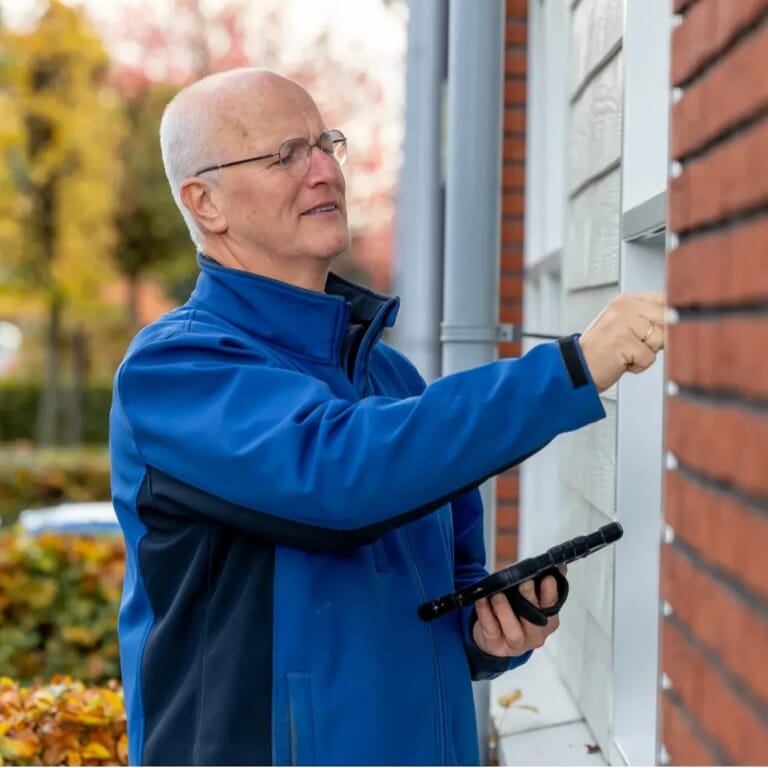
Struggling with the housing market? Don't let it get to you. At Homekeur, we provide fast and reliable building inspections. Contact us for free, no-obligation advice!

Would you like to make an appointment for a building inspection?

The cost of a building inspection (up to 250 m²) is only €489 including VAT. We'll conduct a comprehensive building inspection and you'll receive a building report. Do you have any questions? We're happy to help and can schedule an appointment with an expert inspector right away if you wish!

Recent articles

Een vrouw wijst naar een tablet die een man vasthoudt en een andere man kijkt mee
blog
13 February 2026
Hidden defects in a home
Hidden defects are not uncommon, especially in existing homes. They are often not immediately visible, but can have significant consequences for comfort, safety, and costs. This article explains how hidden defects are assessed and the role of investigation and inspection.
blazen plooien bitumen dak
video
13 February 2026
Common roof detail mistakes: what an inspection reveals
During roof inspections, problems often turn out to be not in the roofing itself, but in the details. In this practical case study, we demonstrate which installation errors are frequently encountered and why these, in particular, pose an increased risk of leaks and damage.
WhatsApp Image 2026-02-12 at 08.51.37
video
12 February 2026
Three Roof Eave Mistakes That Cause Leaks (And Are Often Overlooked)
Roof problems rarely arise suddenly. They usually start with a minor issue. In this inspection, we see how a torn lead flashing, improper installation, and a loose joint can all pose a serious risk. What should you look for—and how can you prevent them?