
Make an appointment Call now

Ventilating your house is always important!

Indoor air pollution can often be more harmful than outdoor pollution, posing significant health risks if not addressed. This blog post delves into how proper ventilation is crucial for mitigating issues like condensation, radon gas accumulation, allergens, and damp conditions, ultimately safeguarding your health and enhancing your living environment.

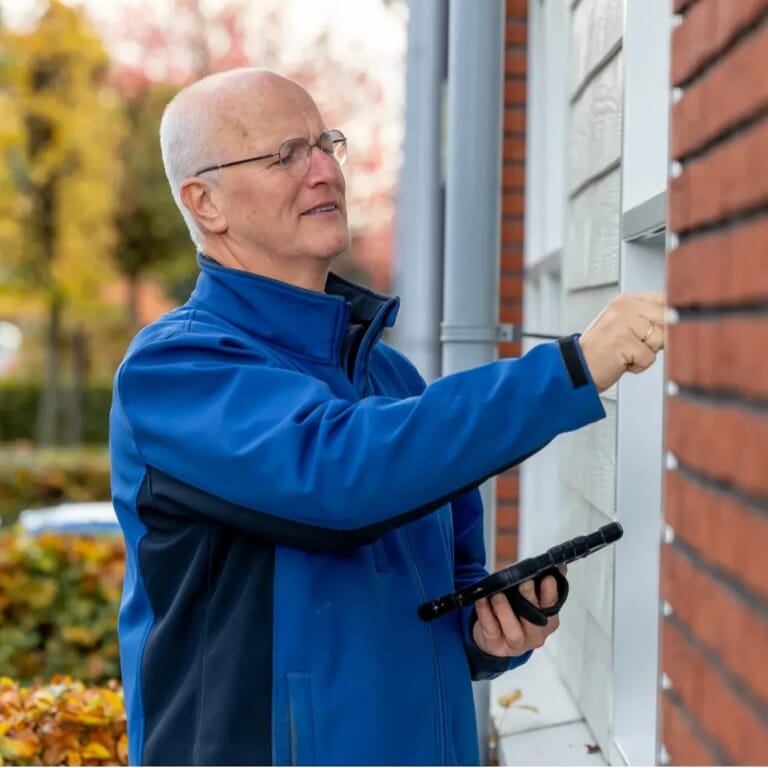
Most of people's daily activities take place indoors. The atmosphere in homes therefore has a significant impact on our health and safety. Research has shown that indoor air pollution can actually be more harmful to health than outdoor air pollution. Therefore, ventilating your home is always important. During a building inspection , we always examine and investigate the ventilation options in the various rooms. In this blog post, we share why this is the case.

Reduce condensation

Condensation occurs when moist air cools rapidly and can no longer contain all its moisture as water vapor. If moisture in a home is not controlled, it can result in peeling wallpaper, mold and mildew growth, and even structural damage to wood supports. Proper ventilation can help regulate temperature and moisture levels.

Reduce Radon Gas Concentrations

Radon gas is a colorless, odorless gas formed by the natural decay of uranium in rocks and soil. The World Health Organization has linked radon gas to some cases of lung cancer. In homes near mines, water treatment plants, and caves, radon gas can accumulate if there is inadequate ventilation, causing concentrations of the gas to rise significantly. Proper ventilation can reduce radon gas concentrations to acceptable levels.

Filter allergens

Allergens like pollen, dust, and other irritants can become trapped in a home when ventilation is inadequate. Proper ventilation will help remove large particles and dust from the air. This can effectively reduce allergy symptoms, making indoor air much more comfortable for allergy sufferers.

Protecting respiratory health and preventing asthma

Damp, moldy conditions can contribute to the development of asthma and other respiratory conditions. Damp conditions can also create the perfect environment for dust mites to survive and multiply. When dust mites come into contact with the skin and respiratory system, they can cause eczema, itching, and breathing problems. Good ventilation can help prevent these problems while providing fresh air to the home's occupants.

House inspection for ventilation

Are you looking for a house or property? First, request a building inspection from us to ensure your new dream home has proper ventilation! Feel free to contact us with any questions. We're happy to help!

Would you like to make an appointment for a building inspection?

The cost of a building inspection (up to 250 m²) is only €489 including VAT. We'll conduct a comprehensive building inspection and you'll receive a building report. Do you have any questions? We're happy to help and can schedule an appointment with an expert inspector right away if you wish!

Recent articles

Een vrouw wijst naar een tablet die een man vasthoudt en een andere man kijkt mee
blog
13 February 2026
Hidden defects in a home
Hidden defects are not uncommon, especially in existing homes. They are often not immediately visible, but can have significant consequences for comfort, safety, and costs. This article explains how hidden defects are assessed and the role of investigation and inspection.
blazen plooien bitumen dak
video
13 February 2026
Common roof detail mistakes: what an inspection reveals
During roof inspections, problems often turn out to be not in the roofing itself, but in the details. In this practical case study, we demonstrate which installation errors are frequently encountered and why these, in particular, pose an increased risk of leaks and damage.
WhatsApp Image 2026-02-12 at 08.51.37
video
12 February 2026
Three Roof Eave Mistakes That Cause Leaks (And Are Often Overlooked)
Roof problems rarely arise suddenly. They usually start with a minor issue. In this inspection, we see how a torn lead flashing, improper installation, and a loose joint can all pose a serious risk. What should you look for—and how can you prevent them?