
Make an appointment Call now

Owners' Association (VvE)

An apartment is part of an Owners' Association (VvE). A VvE is jointly responsible for the maintenance of the common building components of the complex. When you buy an apartment, you purchase a part of the building. You then have what's called a condominium right. Along with the other residents, you are required to be members of the Owners' Association (VvE). This association is responsible for, among other things, the maintenance of the complex and reserves funds for it.

Some examples of costs for the association include: Roof, gutters, foundation, chimney, masonry, lintels, concrete structures, balcony, exterior painting, etc. Some examples of costs for the apartment: Walls, floors, partitions, and ceilings in the apartment. As well as the kitchen, toilet, bathroom, etc.

The various VvE options

  • An active homeowners' association (VvE) means that regular meetings are held with the other residents. At these meetings, the building's technical condition and status, as well as the multi-year maintenance plan, are discussed. Decisions are also made about whether or not to carry out maintenance and when.
  • A dormant homeowners' association (VvE) means there are few to no regular meetings with the other residents. These meetings typically discuss the building's technical condition and the long-term maintenance plan. Decisions are also made about whether or not to carry out maintenance and when. It is highly recommended to activate the VvE.

Regular maintenance

  • ⁠⁠⁠⁠⁠⁠⁠"Normal and recurring (major) maintenance can always be carried out promptly and professionally." This normally does not require additional contributions from homeowners. The monthly contribution to the homeowners' association (VvE) can finance the planned maintenance in accordance with the multi-year maintenance plan. In the event of unexpected major maintenance, the responsibility for financing remains with the homeowners within the association.
  • "Normal and recurring (major) maintenance cannot be carried out professionally and on time." The monthly allocation to the homeowners' association (VvE) cannot finance the planned maintenance in accordance with the multi-year maintenance plan, and additional contributions from owners are necessary. There are options available in the market to finance the maintenance of a homeowners' association (VvE), such as borrowing from a supplier or crowdfunding.
  • It is unknown whether the normal, regular, and recurring (major) maintenance can always be carried out professionally and on time from the reserve fund. Because this information is not available, we recommend reviewing the multi-year maintenance plan. The association's board can also be contacted for information about the contents of the reserve fund, including unplanned and unforeseen expenses in the short or long term.

In the event of unexpected major maintenance, the responsibility for financing remains with the homeowners within the association. During a general meeting, an association can decide to provide an additional allocation for unforeseen expenses.

Would you like to make an appointment for a building inspection?

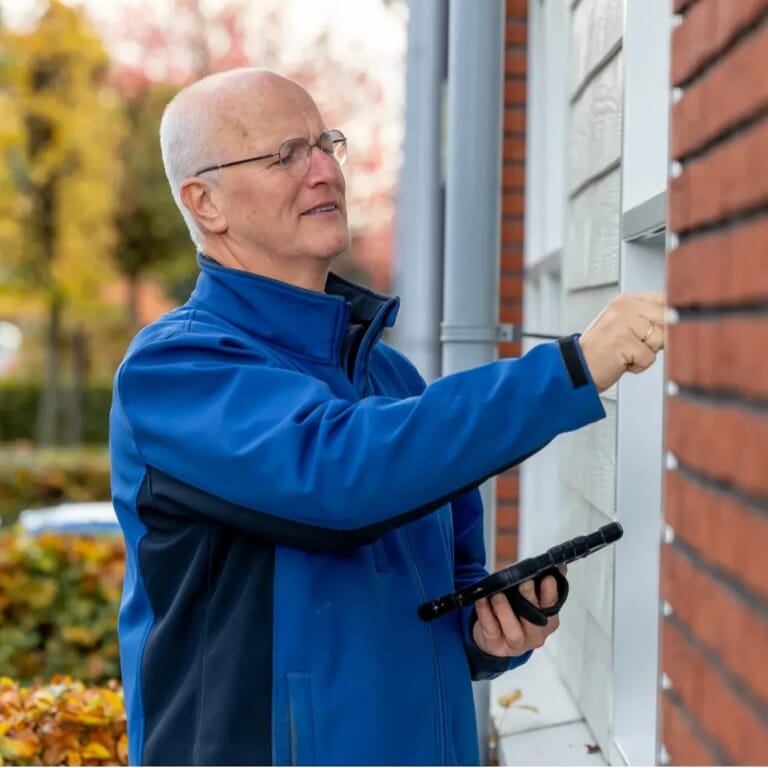
The cost of a building inspection (up to 250 m²) is only €489 including VAT. We'll conduct a comprehensive building inspection and you'll receive a building report. Do you have any questions? We're happy to help and can schedule an appointment with an expert inspector right away if you wish!

Recent articles

Een vrouw wijst naar een tablet die een man vasthoudt en een andere man kijkt mee
blog
13 February 2026
Hidden defects in a home
Hidden defects are not uncommon, especially in existing homes. They are often not immediately visible, but can have significant consequences for comfort, safety, and costs. This article explains how hidden defects are assessed and the role of investigation and inspection.
blazen plooien bitumen dak
video
13 February 2026
Common roof detail mistakes: what an inspection reveals
During roof inspections, problems often turn out to be not in the roofing itself, but in the details. In this practical case study, we demonstrate which installation errors are frequently encountered and why these, in particular, pose an increased risk of leaks and damage.
WhatsApp Image 2026-02-12 at 08.51.37
video
12 February 2026
Three Roof Eave Mistakes That Cause Leaks (And Are Often Overlooked)
Roof problems rarely arise suddenly. They usually start with a minor issue. In this inspection, we see how a torn lead flashing, improper installation, and a loose joint can all pose a serious risk. What should you look for—and how can you prevent them?