
Make an appointment Call now

Hidden defects discovered: what now?

Discovering hidden defects in a newly purchased home can quickly turn the joy of homeownership into a stressful ordeal. In this blog post, we delve into the responsibilities of both buyers and sellers when it comes to these hidden issues, and how you can protect yourself with a thorough building inspection.

The house has been purchased, the last moving boxes have been unpacked, and you're already starting to feel at home. A new home is definitely cause for celebration. But what if you discover a hidden defect after the purchase? In this blog post, we explain who is liable and what you can do.

Hidden defects

We call a hidden defect "hidden" for a reason. Such a defect isn't visible at first glance. They only become apparent when you're working in the house, for example, when removing old skirting boards, removing the roof boarding, or loosening the floor.

To what extent is the seller liable?

The person who buys a home buys it in its current condition. This means: including all visible, but certainly also all invisible, defects. This also includes any deferred maintenance.

The buyer of a home is not always liable for hidden defects. There are two situations in which the seller is held liable for the repair costs of a hidden defect.

1) Unliveable situation

The house has been sold, but it turns out to have such serious structural defects that the buyer cannot actually live in it. In such a case, the seller of the house is liable for the hidden defects.

2) Consciously concealed defect

Normally, the seller of the house properly discloses all defects so that the potential buyer is aware of them. If it turns out that the seller deliberately concealed a hidden defect and the buyer couldn't have seen it with the naked eye, the seller is liable. The seller may be afraid, for whatever reason, that this will hinder the sale of the house.

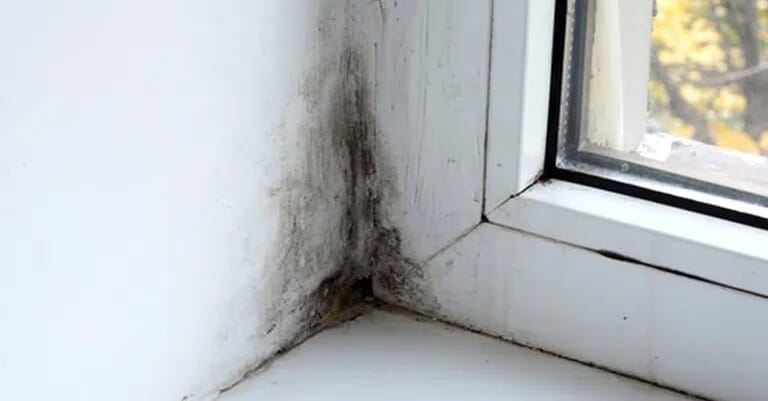
Verborgen-gebrek-woning-schimmel.jpg

Obligations of buyer and seller

Both parties have obligations. The seller has a duty of disclosure. This means they are obligated to properly disclose all defects in the house to the potential buyer. The buyer has a duty of investigation. This means they must determine for themselves whether the condition of the house meets their expectations.

Don't take any risks

Naturally, you want to avoid these kinds of situations. So don't take any risks and have a specialist conduct a building inspection if you're considering a purchase. Our professionals know exactly what to look for when it comes to visible or hidden defects. Read more about building inspections and the costs of a building inspection .

Would you like to make an appointment for a building inspection?

The cost of a building inspection (up to 250 m²) is only €489 including VAT. We'll conduct a comprehensive building inspection and you'll receive a building report. Do you have any questions? We're happy to help and can schedule an appointment with an expert inspector right away if you wish!

Recent articles

Een vrouw wijst naar een tablet die een man vasthoudt en een andere man kijkt mee
blog
13 February 2026
Hidden defects in a home
Hidden defects are not uncommon, especially in existing homes. They are often not immediately visible, but can have significant consequences for comfort, safety, and costs. This article explains how hidden defects are assessed and the role of investigation and inspection.
blazen plooien bitumen dak
video
13 February 2026
Common roof detail mistakes: what an inspection reveals
During roof inspections, problems often turn out to be not in the roofing itself, but in the details. In this practical case study, we demonstrate which installation errors are frequently encountered and why these, in particular, pose an increased risk of leaks and damage.
WhatsApp Image 2026-02-12 at 08.51.37
video
12 February 2026
Three Roof Eave Mistakes That Cause Leaks (And Are Often Overlooked)
Roof problems rarely arise suddenly. They usually start with a minor issue. In this inspection, we see how a torn lead flashing, improper installation, and a loose joint can all pose a serious risk. What should you look for—and how can you prevent them?