Make an appointment Call now

Facade plasterwork and facade cladding

Understanding the hidden intricacies of plaster and cladding maintenance is crucial for preserving the integrity and aesthetics of a building's facade. In this blog, we delve into the common issues that arise with plasterwork and cladding, why they occur, and the preventative steps you can take to ensure your home's exterior remains robust and visually appealing for years to come.

Possible findings on plasterwork facades

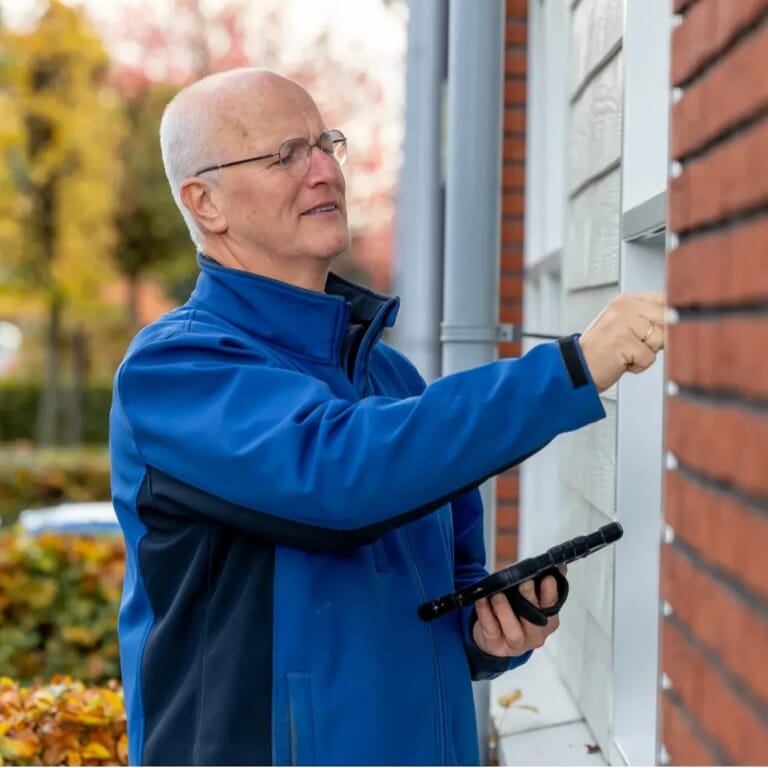
To assess plasterwork, the facade or parts of it must be tapped. Only then can the facade be inspected for defects. If the plasterwork is secure and there is no surface damage, the risk of cracking is obviously much lower.

Homekeur-stucwerk-gevel-1.png
  • Underneath the plasterwork is a rendering layer. This rendering layer cannot be technically assessed because it is not visible due to the plaster finish. A rendering layer is a layer of mortar more than 5 mm thick, sometimes even several centimeters, that has a smooth finish and serves as a foundation for the next layer of plaster.

If cracking is observed in the plaster, it is usually unclear whether this cracking extends to the structural facade beneath the plaster. Cracking in plaster is usually repairable. Due to the movement of materials and weather conditions, it is not unusual for cracks to develop in plaster. The facade needs space to "move," and normally, sufficient expansion joints are present to allow for this movement.

  • Repaired plasterwork (especially cracking) is usually still visible after repair.
  • The repaired crack also often returns after a period of time if no other preventive measures are taken (for example, sufficient expansion of the facade).
  • Expansion joints are methods used to accommodate the movement of an exterior wall (outer leaf, outer cavity wall, facade) by creating a series of open joints or saw cuts (also vertical). These joints are often sealed with a flexible expansion sealant or a swelling tape.

A common anomaly when tapping plaster is loose plaster . When tapping, it's clearly audible where the plaster adheres to the substrate and where it doesn't. We recommend maintaining this loose plaster for the time being and not replacing or repairing it. Long-term maintenance is required, or the plaster may need to be partially repaired or replaced. If the plaster is in poor condition, for example, easily absorbing moisture and the rendering layer is becoming silted up, then the plaster will naturally need to be replaced soon.

  • The render layer can also come loose from the substrate. Anything loose or detached from the substrate must be removed, including the render layer and/or plaster.
  • It's important (before your cooling-off period ends) to know what you can expect in terms of construction defects and costs in the short and long term after you've purchased a home. During the building inspection, defects are mapped out in detail.

Findings facade (cladding)

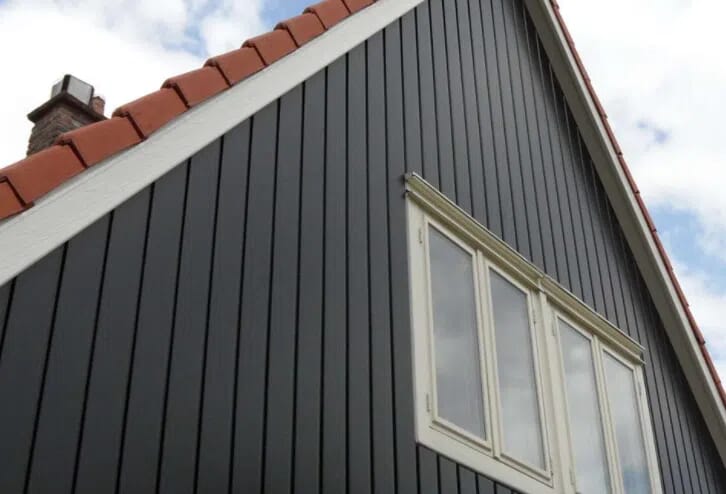
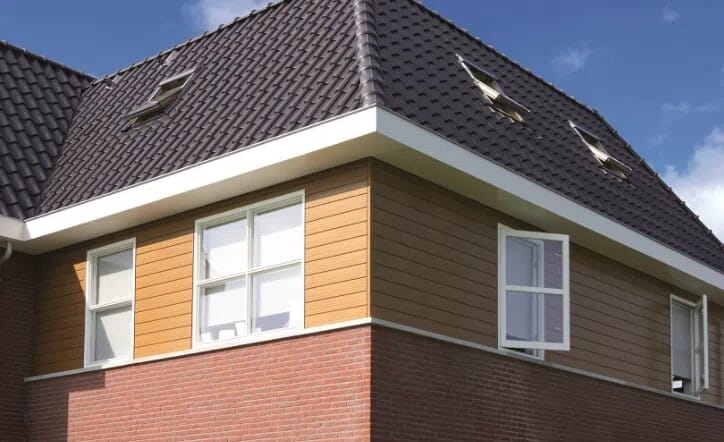
If the exterior of the facade (cladding) is dirty : This is unsightly and not ideal for the longevity of the materials. Annual maintenance of such a facade is recommended. This includes, at the very least, cleaning the facade (cladding).

Homekeur-gevelbekleding2.png

If the cladding shows wood rot , it must of course be repaired! After expert repair, the paintwork must also be restored; with sufficient and proper regular maintenance, the cladding can remain intact. It's also possible that the cladding material is in such poor condition that part or all of it must be replaced. There is too much wood rot, and repair is no longer possible. After replacement, the paintwork must also be repaired.

If various wood rot has already been repaired in the past, it's important to assess its quality and execution. Over time, it's important to keep in mind that, occasionally, during regular painting, some wood rot may become visible in unexpected places. With frequent and proper maintenance, this can always be easily repaired.

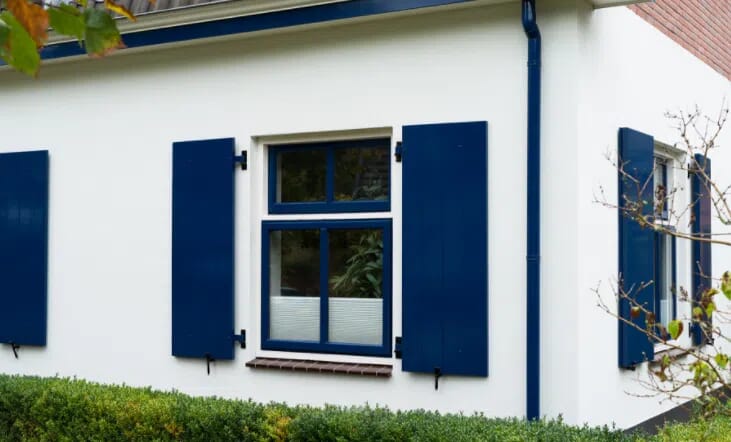
The fastening of the cladding is also important to assess; any defects can be repaired. However, to preserve the materials and the underlying structure, it's important not to delay such repairs for too long. Furthermore, there are various potential risks, such as water ingress and contamination behind the cladding, if the current condition is maintained. Fastening in accordance with the manufacturer's instructions is crucial for the warranty terms of the materials. The materials are subject to weather influences! These influences cause the materials to flex and the fastening to become tense, seams can pull open, or, if there's insufficient space, the materials can bulge.

Homekeur-gevelbekleding.png
  • In the worst case, pollution in the construction can cause fungus that can damage the construction of the house.
  • Improving the confirmation is a small improvement but can have major consequences.

The facade (cladding) may not have been installed with sufficient ventilation , resulting in a completely sealed cladding that doesn't allow sufficient ventilation in the space between the cladding and the structure. Condensation can potentially form between the interior of the house and the facade cladding. Preventative measures can still be taken, such as drilling holes and installing vents.

Various types of facade cladding

Would you like to make an appointment for a building inspection?

The cost of a building inspection (up to 250 m²) is only €489 including VAT. We'll conduct a comprehensive building inspection and you'll receive a building report. Do you have any questions? We're happy to help and can schedule an appointment with an expert inspector right away if you wish!

Recent articles

Een vrouw wijst naar een tablet die een man vasthoudt en een andere man kijkt mee
blog
13 February 2026
Hidden defects in a home
Hidden defects are not uncommon, especially in existing homes. They are often not immediately visible, but can have significant consequences for comfort, safety, and costs. This article explains how hidden defects are assessed and the role of investigation and inspection.
blazen plooien bitumen dak
video
13 February 2026
Common roof detail mistakes: what an inspection reveals
During roof inspections, problems often turn out to be not in the roofing itself, but in the details. In this practical case study, we demonstrate which installation errors are frequently encountered and why these, in particular, pose an increased risk of leaks and damage.
WhatsApp Image 2026-02-12 at 08.51.37
video
12 February 2026
Three Roof Eave Mistakes That Cause Leaks (And Are Often Overlooked)
Roof problems rarely arise suddenly. They usually start with a minor issue. In this inspection, we see how a torn lead flashing, improper installation, and a loose joint can all pose a serious risk. What should you look for—and how can you prevent them?