
Make an appointment Call now

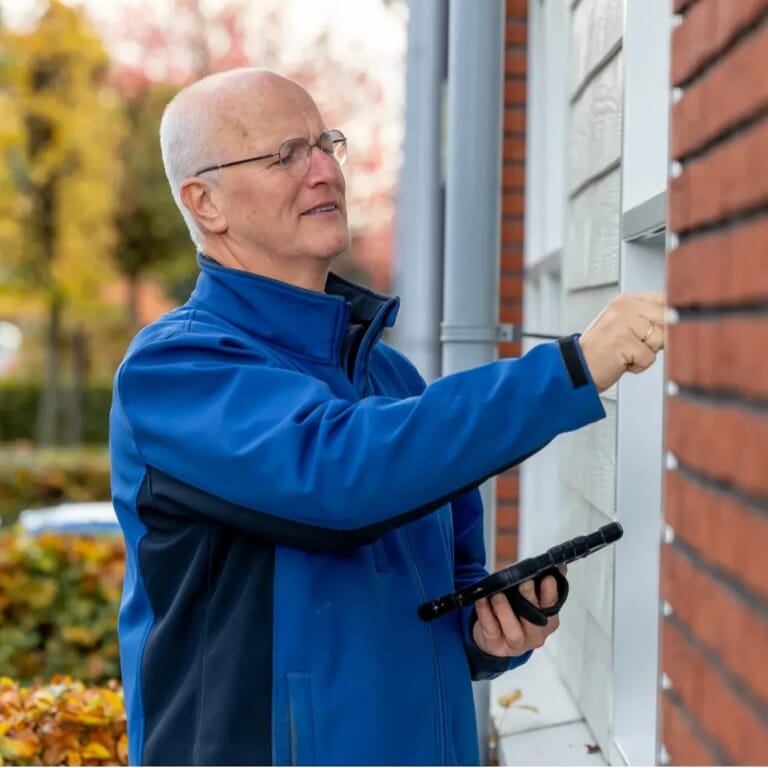
A building inspection provides certainty when purchasing a home

In today's tight housing market, rushing into a purchase can lead to costly mistakes, making it crucial for prospective buyers to maintain a clear head and prioritize a professional home inspection. By incorporating expert advice and contingencies into your buying strategy, you can safeguard yourself from unexpected financial pitfalls and secure a home that aligns with your future plans.

The housing market is incredibly tight. Those who don't act quickly will miss out or see prices rise. As a prospective buyer, try to keep a cool head. A professional home inspection ensures you won't encounter any unexpected and often costly surprises.

Cutthroat competition among home buyers

When an attractive home is newly listed, all sorts of parties scramble to quickly bid above the asking price. This is because it's difficult to find a home these days. Some people even submit an offer before viewing the property. This is, of course, unwise. As a homebuyer, you're making a decision with significant financial consequences, so don't rush into it.

Don't let yourself be fooled. Make sure you seek expert advice from your own real estate agent or a building inspector before signing a contract.

Include contingencies in the purchase contract

After you sign a purchase contract as a private individual, you have a three-day cooling-off period to cancel it. This period is far too short to secure financing. A building inspection report is also usually not available within a few days. Therefore, you can include contingencies in the contract.

If financing doesn't come through, or the house's condition is disappointing, you can back out of the purchase. Please note that you must invoke the resolutive clause in writing.

Preliminary building inspection

A building inspection can prevent a lot of financial trouble. Did you have a building inspection before signing the contract? The building report can then be used in negotiations. Sometimes a disappointing inspection leads to the decision not to buy a house. That's disappointing, of course, but it's better than paying a lot of money for a house and then being saddled with high repair costs.

Trade wisely

When negotiating the purchase of a home, consider your financial future. The volatile housing market could look very different next year, so choose a home that suits your future. We're happy to help you make a well-informed decision with expert advice. This way, you'll know for sure what your home's structural condition will be when you decide to buy.

Would you like to make an appointment for a building inspection?

The cost of a building inspection (up to 250 m²) is only €489 including VAT. We'll conduct a comprehensive building inspection and you'll receive a building report. Do you have any questions? We're happy to help and can schedule an appointment with an expert inspector right away if you wish!

Recent articles

Een vrouw wijst naar een tablet die een man vasthoudt en een andere man kijkt mee
blog
13 February 2026
Hidden defects in a home
Hidden defects are not uncommon, especially in existing homes. They are often not immediately visible, but can have significant consequences for comfort, safety, and costs. This article explains how hidden defects are assessed and the role of investigation and inspection.
blazen plooien bitumen dak
video
13 February 2026
Common roof detail mistakes: what an inspection reveals
During roof inspections, problems often turn out to be not in the roofing itself, but in the details. In this practical case study, we demonstrate which installation errors are frequently encountered and why these, in particular, pose an increased risk of leaks and damage.
WhatsApp Image 2026-02-12 at 08.51.37
video
12 February 2026
Three Roof Eave Mistakes That Cause Leaks (And Are Often Overlooked)
Roof problems rarely arise suddenly. They usually start with a minor issue. In this inspection, we see how a torn lead flashing, improper installation, and a loose joint can all pose a serious risk. What should you look for—and how can you prevent them?