
All about bay window inspections and maintenance
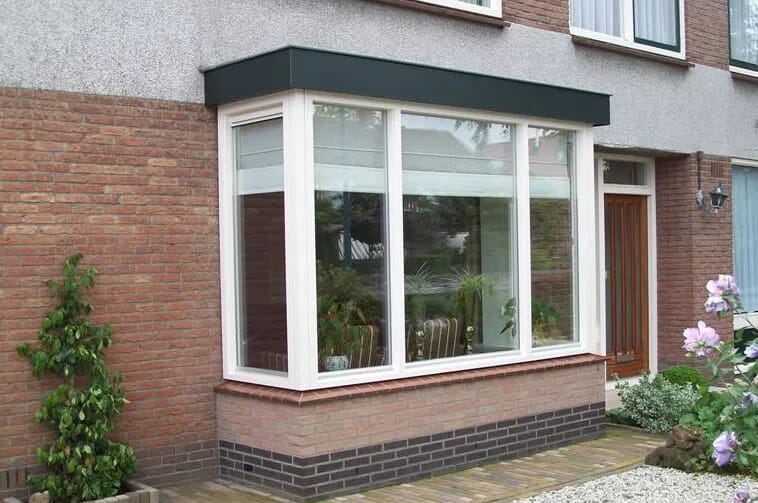
A bay window is a space that extends beyond the facade of a building and is openly connected to the intended room. The exterior is bordered by window frames, the covering of which, along the parapet of the sill, is called a windowsill. The floor of a bay window is usually level with that of the room to which it belongs.
Bay window bitumen roofing
The bay window's roofing may be in good technical condition and will last for years. However, a precise expected lifespan is difficult to predict and depends on various factors, such as weather conditions.
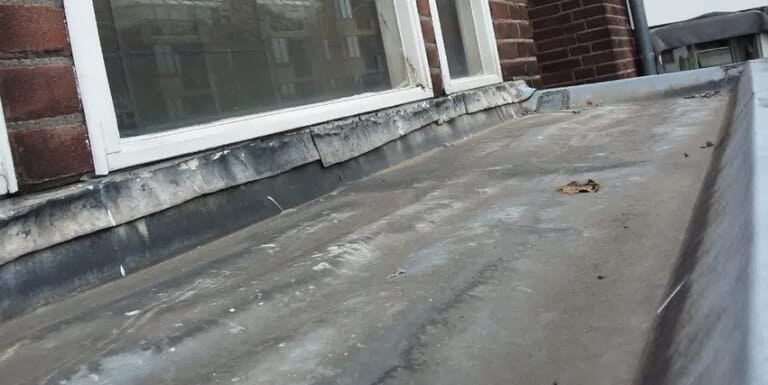
The bitumen roofing on the bay window may be in poor technical condition, in which case it can last a maximum of 2 to 5 years. A precise expected lifespan is difficult to predict and also depends on various factors, such as weather conditions. Replacing the bitumen is inevitable over time.
The bitumen roof covering on the bay window may be in poor technical condition . In that case, it should be replaced immediately. There is a very real risk of leakage, which could cause further (consequential) damage.
Bay window roofing zinc
The zinc roofing of the bay window may be in poor technical condition. In that case, it should be replaced immediately. There is a very real risk of leakage, which will cause further (consequential) damage.
The zinc roofing of the bay window may be in poor technical condition. A precise expected lifespan is difficult to predict and also depends on various factors, such as weather conditions. Replacing the bitumen is inevitable over time.
- Clean the roof twice a year.
- Never walk on the roof in high or low temperatures.
- Check the lead strips for defects between the facade and roof connection
Concrete slab as a roof of a bay window
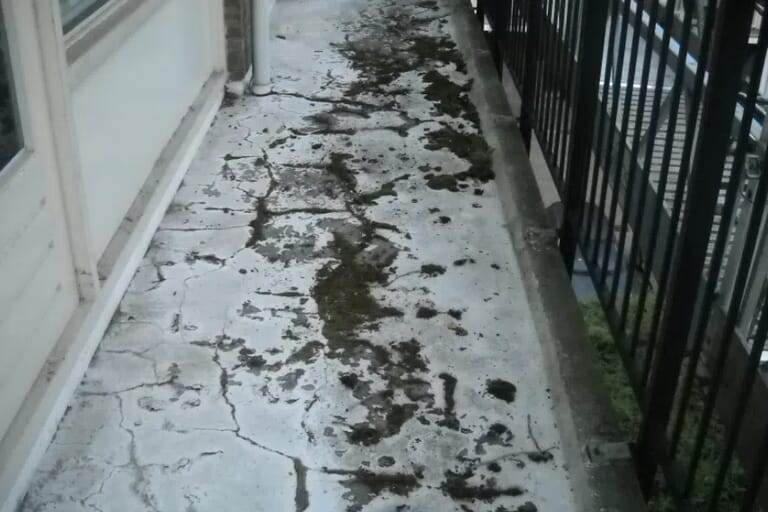
The bay window roof is not covered with a covering, but is made of concrete . It's possible that the drainage and waterproofing systems are inadequate or not waterproof enough. The reinforcement in the concrete can then be affected by moisture, rust, and damage the concrete. In that case, we recommend applying a zinc or bitumen covering to the roof, after which it will function properly again.
- The new compacted concrete (in relatively newer homes) poses less of a risk.
- Pay particular attention to the older, coarse structure of the concrete structure. If coarse gravel is visible, the risk of moisture ingress into this stone-like structure is automatically greater.
- Any moisture already present in the concrete will dry naturally if the top is 100% sealed.
- If in doubt, consult an expert. The cost of repairing any concrete damage caused by rusting reinforcement can be substantial. Therefore, it's important to be sure whether there is concrete damage or a risk of concrete damage.
The bay window roof can also be covered with a newer version of concrete slab (compacted) and function perfectly. Drainage and waterproofing are usually sufficient. If at any time the concrete is no longer sufficiently waterproof, a bitumen or zinc roofing can easily be applied to this section.
Glazing roof bay window
If the glazing is dirty, normal maintenance must be performed immediately. There's a risk that the dirt will corrode the glazing. Cleaning will no longer be possible at some point.
If the glass in the bay window roof breaks , the glass panel must automatically be replaced immediately.
The seals and/or sealing material of the (profile) glazing beads and the glass connections are important for a good seal and should therefore be in good condition. If not, the defects will need to be repaired or the parts, seals, profiles, etc., replaced.
Defects in the (profile) glazing beads must also be repaired or replaced. The fastening is usually not optimal. Repairs or improvements to the profiles/glazing beads can be carried out. If this is not possible, parts can be replaced.
- There is an increased risk of water ingress at the profiles where the defects have been noticed.
- Replacing a profile is not easy; in the worst case, the glazing may have to be removed.
Gutter and/or drainage bay roof
Some bay roofs have a gutter. Other flat roofs always have a drainage system, usually a rainwater downpipe (HWA) that is connected to a sewer or discharges into the garden. Any defects in the drainage system or gutter should, of course, be repaired. Regularly check the gutter and drainage system and remove debris such as leaves and moss.
Other comments on the bay window roof, possible defects and points of attention
- Crazing may be present in the bitumen roof covering. Crazing, or slight cracking, is caused by weathering of the bitumen roof covering under the influence of UV radiation and moisture. UV radiation combined with temperature stress causes the bituminous material to decompose, releasing the plastic (moldable) substances. This results in hairline cracks and a hardening of the top layer. As a result, the bitumen can no longer follow the movements of the substrate and subsequently cracks.
- A bitumen roof covering is factory-fitted with a rolled-in slate layer, which protects the bitumen. Depending on the type of roof covering, this slate layer will eventually detach, eroding the entire structure and providing less protection for the bitumen. The slate layer may no longer provide sufficient protection for the bitumen, making the bitumen more fragile, shortening its lifespan.
- There's a connection between the bay window roof and the house's facade. This connection is usually made waterproof with a lead flashing (foot lead). This lead flashing runs through the cavity wall of the facade and is attached to the inner leaf. Rainwater absorbed by the facade and seeping down is thus forced out. If this lead flashing isn't present, it will need to be installed, or you should be aware of the moisture risks that may arise or may already exist.
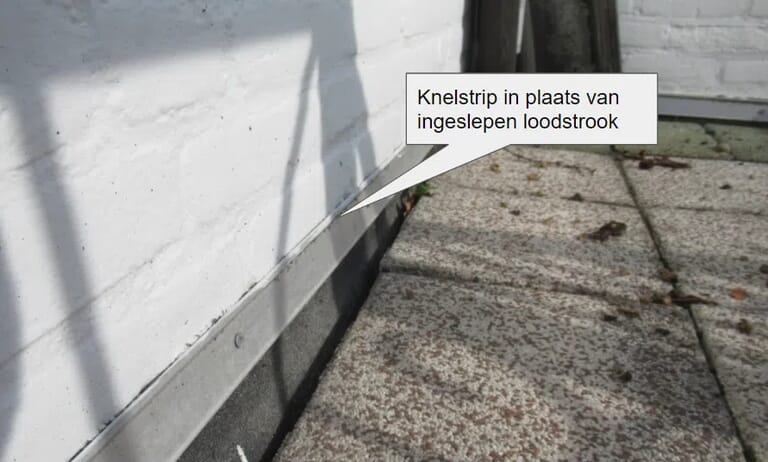
- If the bay window's roof is located under a substantial overhang, a compression strip can also work well. Depending on the situation and the facade load from rain, one or the other solution can be chosen.
- For masonry, the best solution is to remove strips of brick so that the lead can be installed in the cavity against the inner leaf. Another solution would be to grind the lead at least 4 cm deep into a joint. If installing under a window frame, a professional is recommended.
Lead strip bay roof connection versus facade
- If there are defects in the bed joint above the lead strip between the facade and the roof of the bay window: In that case, we recommend maintaining the current situation and repairing the bed joint . Where necessary, deepen the joint sufficiently, remove debris and loose material, and repair the joint in accordance with the existing work.
- The lead flashing (the part visible from the brickwork) may be too high and then hang (or rest) too much on the horizontal roof surface of the bay window. Due to creep and capillary action of water remaining on the roof, there is an increased risk of water ingress and/or leakage in the cavity or at this connection. Correcting this is easily accomplished by shortening the height of this flashing.
- Lead can easily be cut and 'torn off' with a utility knife.
- Always place a piece of board under the lead to be cut, this prevents you from accidentally cutting the bitumen.
- The lead strips (the part visible from the brickwork) can also be too long. The strips may have a maximum length of 1 meter and must overlap by at least 8 cm. Materials are subject to weathering. If they are too long, there is insufficient space to accommodate the shrinkage or expansion. This causes the material to crack more quickly, leading to defects. Once the lead is applied in this way, there's little you can do other than accept it. This does shorten the material's lifespan, and the lead will need to be replaced sooner than usual.
- The flashing can also come loose from the facade; if so, it will not have been attached to the inner leaf through the cavity wall. Replacing flashing is not easy! Strips of masonry must be removed to properly repair it.
- The foot lead as described above must be (partially) replaced if it is in poor condition and recovery or repair is no longer possible.
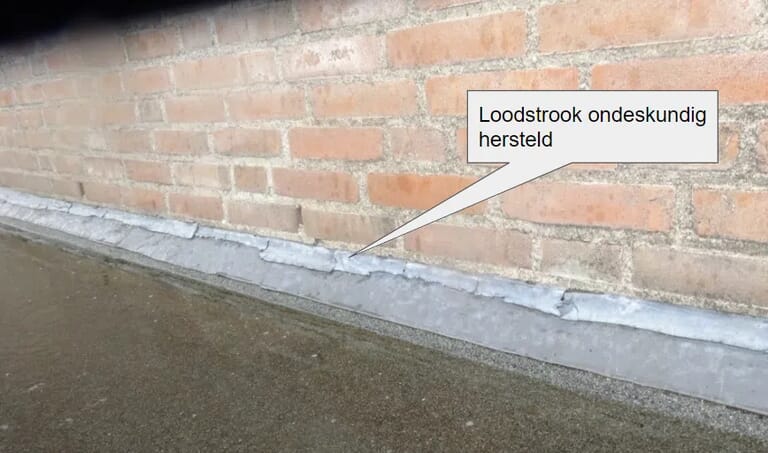
- Simply clamping the lead seal and closing the joint is not a proper repair, but it is probably the most commonly used method.
- For masonry, the best solution is to remove strips of brick so that the lead can be installed in the cavity against the inner leaf. Another solution would be to grind the lead at least 4 cm deep into a joint. If installing under a window frame, a professional is recommended.
- The lead seal described above can, of course, also be (partially) repaired. This can be done by patching cracks in the seal with self-adhesive bitumen tape, available at any hardware store. As long as repairs are possible, we recommend postponing replacement.
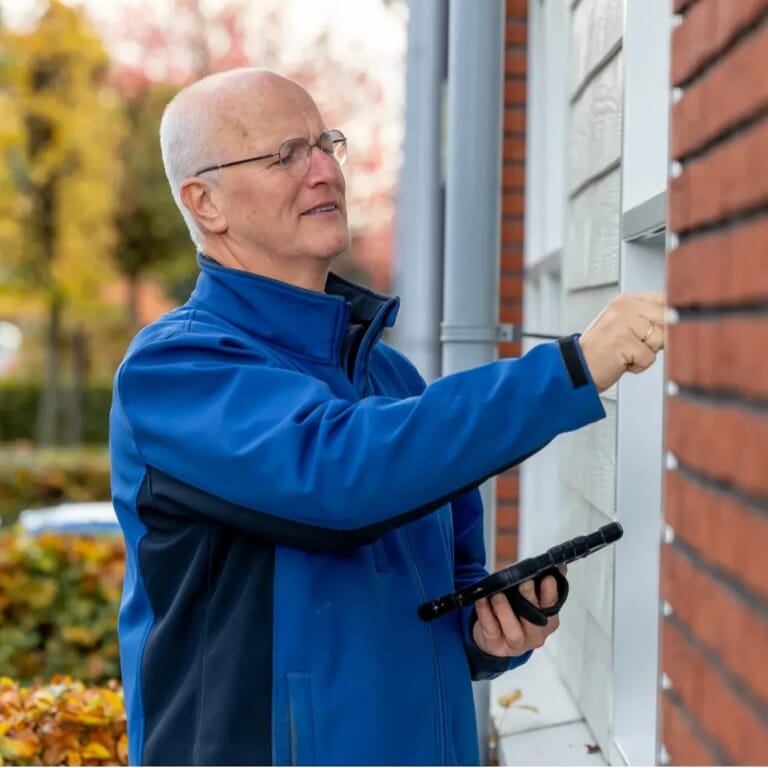
Would you like to make an appointment for a building inspection?
The cost of a building inspection (up to 250 m²) is only €489 including VAT. We'll conduct a comprehensive building inspection and you'll receive a building report. Do you have any questions? We're happy to help and can schedule an appointment with an expert inspector right away if you wish!
Recent articles