
Make an appointment Call now

7 Points to Consider When Buying an Apartment

When buying an apartment, it's crucial to look beyond its structural condition and consider factors like shared maintenance costs, building management, and homeowners' association regulations. Understanding these elements can prevent unexpected expenses and ensure a smooth transition into your new home, and a comprehensive building inspection report can provide clarity and peace of mind before finalizing your purchase.

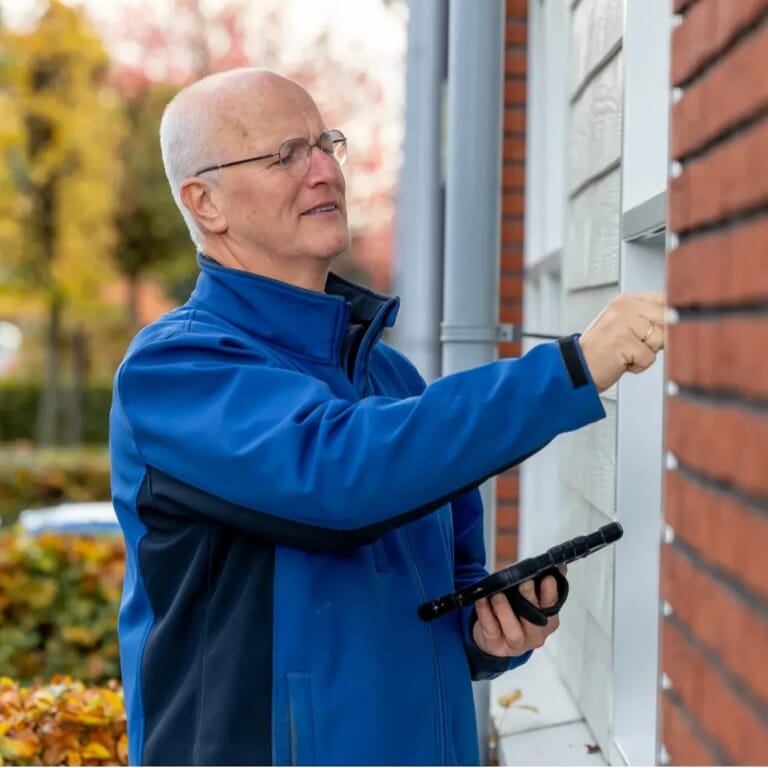
Are you looking to buy an apartment? Then you want to be sure you're buying one that's in good condition. You can have a building inspection carried out for this. Homekeur checks the apartment for all critical points. We then provide you with a clear building report detailing everything we've found. However, the apartment's structural condition isn't the only thing you need to consider. What other factors should you consider when buying an apartment? We'd be happy to tell you more.

1. Which costs are shared?

One of the main advantages of buying an apartment, according to apartment owners themselves, is the shared cost sharing. The complex often has public areas. These require maintenance, repairs, and perhaps even professional cleaning. These costs are usually shared among the complex's residents. This is beneficial for all buyers. However, it's important to understand beforehand which costs are shared and which aren't.

2. Is there a MJOP available?

Building management includes renovations, repairs, and maintenance. In some cases, the building is managed by the residents themselves, while in other cases, a manager is appointed to oversee everything. As a future apartment owner, it's important to know who is responsible for building management, what agreements exist, and whether a clear multi-year maintenance plan (MJOP) is in place.

3. How are common charges paid?

In most cases, communal costs are associated with co-ownership. If you buy an apartment, you will be faced with communal costs. It's important to be clear in advance about when and how these communal costs are to be paid. Ask about the amount of these costs and what the annual indexation is.

4. What about the reserve fund?

Occasionally, larger investments are required. This could include replacing the roof or an elevator. These are major expenses that are usually covered by a reserve fund. Often, a portion of the common expenses is allocated to the reserve fund, but this can be arranged differently. Determine if a reserve fund exists and how it is arranged.

5. Are there general meetings?

In principle, general meetings are required, where all important matters are discussed by the apartment owners. Voting rights apply, which in most cases are proportional to their ownership percentage. General meetings are important, but they don't always take place annually. For example, they don't take place in the case of a dormant homeowners' association (VvE). Check this carefully. An active homeowners' association with annual meetings often indicates that matters are well-organized.

6. What are you allowed to change and what are you not allowed to change?

Are you buying an apartment? Then there might be things you'd like to change. Keep in mind that changes aren't always permitted. For example, if the exterior awnings need replacing, replacing red awnings with blue ones isn't always permitted. There may be regulations regarding this, and it's important to be aware of them. Make sure you understand what's allowed and what's not. It's also a good idea to check which replacement costs are your responsibility.

7. Request meeting minutes

As a new resident of an apartment in a complex, you have the right to know what has been discussed and agreed upon recently during general meetings. Minutes of these meetings are available. Request these and read them carefully. This will give you a clear overview of, for example, planned investments.

What condition is the apartment in?

When you're considering buying an apartment, you want to be sure you won't be faced with any unexpected costs. Therefore, it's a good idea to have a building inspection carried out by Homekeur. You'll receive a building inspection report , providing you with all the information you need about the apartment's condition. Schedule an appointment online now or contact us for more information and advice. We're happy to help.

Would you like to make an appointment for a building inspection?

The cost of a building inspection (up to 250 m²) is only €489 including VAT. We'll conduct a comprehensive building inspection and you'll receive a building report. Do you have any questions? We're happy to help and can schedule an appointment with an expert inspector right away if you wish!

Recent articles

Een vrouw wijst naar een tablet die een man vasthoudt en een andere man kijkt mee
blog
13 February 2026
Hidden defects in a home
Hidden defects are not uncommon, especially in existing homes. They are often not immediately visible, but can have significant consequences for comfort, safety, and costs. This article explains how hidden defects are assessed and the role of investigation and inspection.
blazen plooien bitumen dak
video
13 February 2026
Common roof detail mistakes: what an inspection reveals
During roof inspections, problems often turn out to be not in the roofing itself, but in the details. In this practical case study, we demonstrate which installation errors are frequently encountered and why these, in particular, pose an increased risk of leaks and damage.
WhatsApp Image 2026-02-12 at 08.51.37
video
12 February 2026
Three Roof Eave Mistakes That Cause Leaks (And Are Often Overlooked)
Roof problems rarely arise suddenly. They usually start with a minor issue. In this inspection, we see how a torn lead flashing, improper installation, and a loose joint can all pose a serious risk. What should you look for—and how can you prevent them?