
Wood rot in a home: how to recognize it!
How does wood rot develop?
Wood rot is caused by fungi. These fungi thrive in humid climates with sufficient oxygen and temperatures above 18 degrees Celsius. Well-protected wood is generally unaffected by these fungi. However, poorly treated wood provides a fertile breeding ground for these fungi. Wood rot often occurs due to construction defects, open joints, untreated butt joints, unsuitable paint systems, and poor glazing that allows water to seep in.
Preventing wood rot
Why is it that wood rot often goes undetected in a timely manner? Many people don't check their woodwork properly. Or they mistakenly assume that if the woodwork looks good on the outside, it's probably fine underneath. As a result, they overlook important things. This gives wood rot the opportunity to spread until it's too late. To prevent this problem, it's important to ensure high-quality paint is used and that there are no open joints. While regular painting may be an investment, it contributes to the longevity of your woodwork.
Checking your woodwork
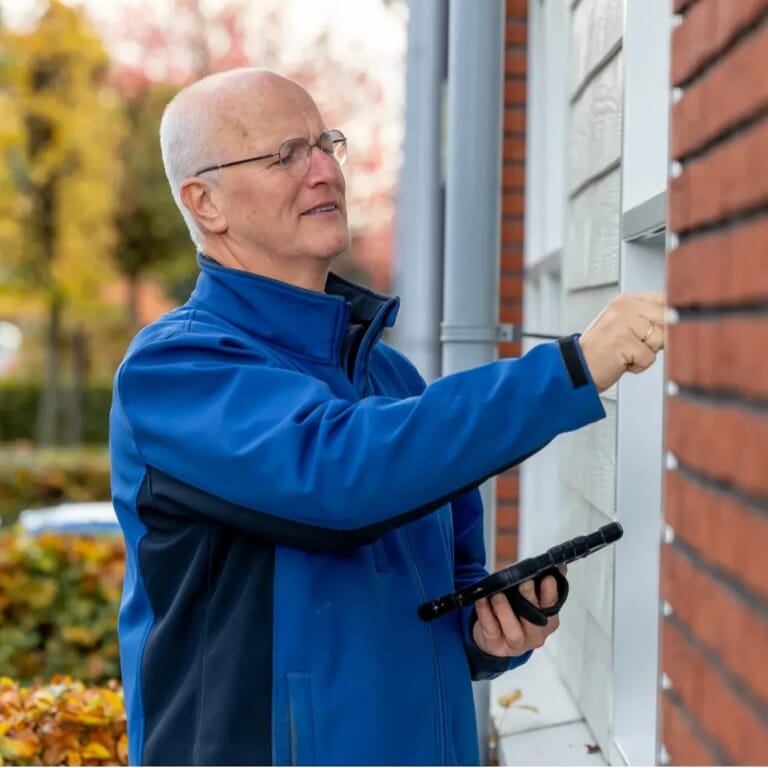
How can you detect wood rot early? Regularly inspect your woodwork. If you're aware of its condition, you'll be more likely to notice small changes. Pay particular attention to soft spots or small cracks in the paintwork. The corners of window frames are particularly susceptible to wood rot. Press down on any suspected areas with something hard, such as the back of a screwdriver. If the wood yields, you're almost certainly dealing with wood rot.
Would you like to make an appointment for a building inspection?
The cost of a building inspection (up to 250 m²) is only €489 including VAT. We'll conduct a comprehensive building inspection and you'll receive a building report. Do you have any questions? We're happy to help and can schedule an appointment with an expert inspector right away if you wish!
Recent articles