
Make an appointment Call now

Window frame materials: From traditional wood to modern plastics

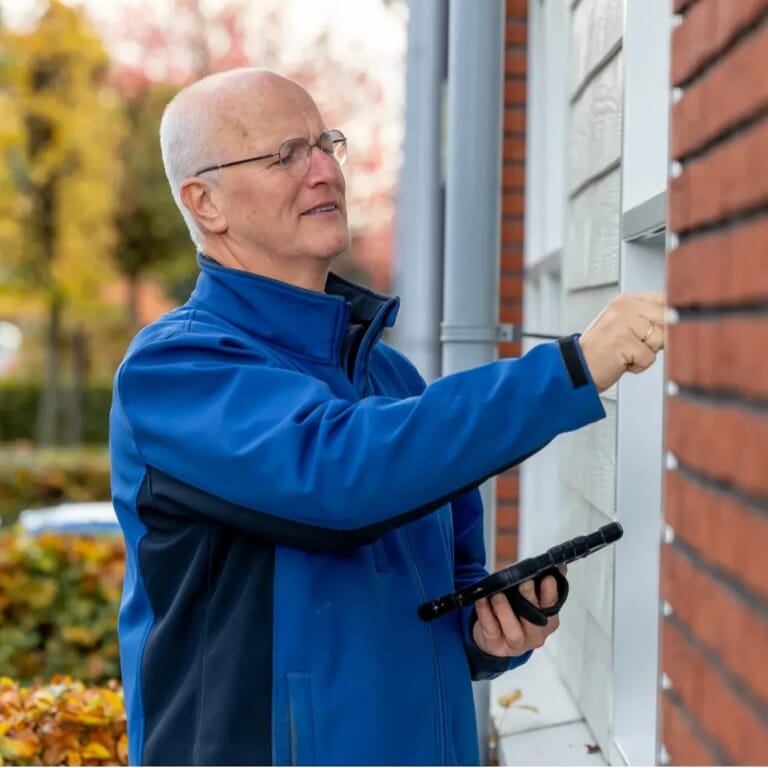
The choice of window frame materials plays a crucial role in defining the aesthetic appearance and functional quality of a home. This choice ranges from traditional wood to innovative composites, each with its own specific advantages and considerations. A home's window frames should be in good condition and are therefore always a focus during a building inspection by Homekeur. In this article, we explore the various window frame materials, focusing on their sustainability and energy efficiency.

Traditional wood: a timeless classic

Wooden window frames are known for their warm, natural look and have been a standard feature in many homes for centuries. These frames are not only visually appealing but also offer excellent insulating properties. A major advantage of wood is its adaptability; they can easily be finished, painted, or stained to your liking. However, this type of frame requires more maintenance than other materials, including regular painting and protection from elements such as moisture and UV rays. Furthermore, the cost of high-quality wooden frames can be higher.

Plastic: low-maintenance and durable

UPVC window frames, often made of PVC, are a popular alternative to wood due to their low-maintenance nature. These frames are resistant to various weather conditions and don't require the regular painting that wooden frames do. They offer good insulation and are available in various styles and colors to suit a variety of design preferences. However, uPVC window frames sometimes lack the authentic look of wood and can be more difficult to repair if damaged. Furthermore, there's a risk of discoloration over time due to exposure to sunlight.

Aluminum: modern and sleek

Aluminum window frames are popular in modern architecture for their sleek, minimalist look and long lifespan. They are ideal for large windows thanks to their high strength and ability to support heavier glass types. Despite their strength, aluminum frames are relatively light and easy to maintain. A disadvantage is that without thermal break, they can be less insulating than other options. The initial cost of aluminum frames can also be higher than, for example, uPVC.

Composites: innovative and energy-efficient

Composite window frames, a relatively new development in the market, combine materials like wood fiber and uPVC to offer the best of both worlds. These frames are highly energy-efficient, low-maintenance, and durable. They offer the aesthetic benefits of wood and the practical advantages of uPVC, making them an excellent choice for energy-conscious consumers. However, availability can be limited and the cost can be higher compared to more traditional materials.

Inspection of window frames

The choice of window frame materials depends heavily on personal preferences, willingness to maintain, budget, and desired aesthetics. Wooden frames offer a classic look and natural insulation, while uPVC and aluminum excel in durability and ease of maintenance. Composites offer an innovative, energy-efficient option that combines the advantages of wood and uPVC. When selecting window frames, it's important to consider not only appearance but also insulation values and durability.

Thinking of buying a house? Always have a building inspection carried out, which will naturally include a close look at the condition of the window frames.

Would you like to make an appointment for a building inspection?

The cost of a building inspection (up to 250 m²) is only €489 including VAT. We'll conduct a comprehensive building inspection and you'll receive a building report. Do you have any questions? We're happy to help and can schedule an appointment with an expert inspector right away if you wish!

Recent articles

Een vrouw wijst naar een tablet die een man vasthoudt en een andere man kijkt mee
blog
13 February 2026
Hidden defects in a home
Hidden defects are not uncommon, especially in existing homes. They are often not immediately visible, but can have significant consequences for comfort, safety, and costs. This article explains how hidden defects are assessed and the role of investigation and inspection.
blazen plooien bitumen dak
video
13 February 2026
Common roof detail mistakes: what an inspection reveals
During roof inspections, problems often turn out to be not in the roofing itself, but in the details. In this practical case study, we demonstrate which installation errors are frequently encountered and why these, in particular, pose an increased risk of leaks and damage.
WhatsApp Image 2026-02-12 at 08.51.37
video
12 February 2026
Three Roof Eave Mistakes That Cause Leaks (And Are Often Overlooked)
Roof problems rarely arise suddenly. They usually start with a minor issue. In this inspection, we see how a torn lead flashing, improper installation, and a loose joint can all pose a serious risk. What should you look for—and how can you prevent them?