
Make an appointment Call now

Water management in and around the house

Water management is not just about conserving resources; it's a critical strategy for safeguarding your home from moisture damage and ensuring a healthy living environment. Discover practical tips for efficient water use and proactive measures to protect your home, while learning why regular building inspections are essential for preventing costly water-related problems.

Good water management in and around your home is crucial not only for efficient water use but also for preventing flooding and related damage. A common problem is moisture penetrating your home's walls through the foundation, something specifically examined during a building inspection . In this article, we share tips to protect your home from water-related problems.

Optimizing water use

Being mindful of water use starts with everyday actions. Installing water-saving faucets and showerheads can significantly reduce water consumption. Collecting rainwater in rain barrels for garden irrigation is another effective way to save tap water. It's also advisable to only use washing machines and dishwashers when they're full, which contributes to both water and energy savings. For gardeners, planting plants that require less water and applying mulch to retain moisture is a smart choice.

Preventing flooding

Flooding can cause significant damage to your home. An effective drainage system is therefore essential to efficiently direct rainwater away from your house. This helps prevent water from pooling around the foundation. Regular inspection and maintenance of gutters and downspouts is also important to prevent blockages. For homes with basements, waterproofing is crucial to prevent moisture from seeping up through the foundation into the walls. It's also important that the surrounding area is landscaped so that water drains away from the foundation.

Building inspection of a home

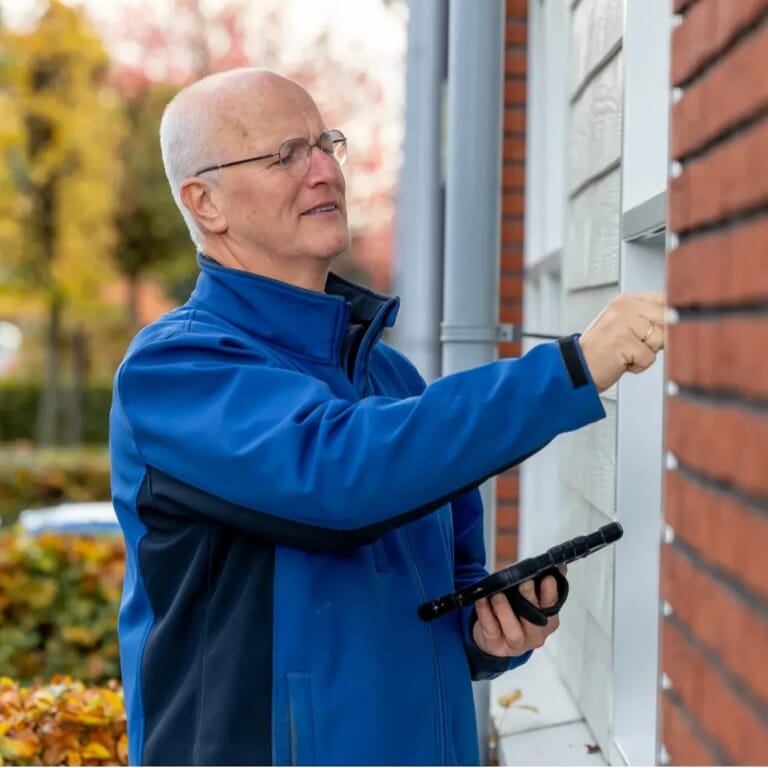
A building inspection can identify potential moisture problems early on. During this inspection, the foundation is inspected for signs of moisture infiltration. The drainage systems are also checked for their functionality. The basement receives extra attention, especially if it is located below the groundwater level. Based on this inspection, expert advice can be provided on any necessary improvements to protect your home from moisture-related damage.

Importance of a dry house

A dry living environment is not only comfortable but also essential for your health. Moisture in your home can lead to mold growth and wood rot, which is harmful to both your home's structure and your health. By proactively managing your water, you protect your home and investment and ensure a healthier living environment.

Prevent moisture problems

Good water management in and around your home plays a crucial role in both efficient water use and the prevention of water-related damage. By making conscious choices about your daily water use and taking the right preventive measures, you can extend the life of your home and create a healthy living environment. Therefore, have regular building inspections performed to identify and address potential problems early on.

Would you like to make an appointment for a building inspection?

The cost of a building inspection (up to 250 m²) is only €489 including VAT. We'll conduct a comprehensive building inspection and you'll receive a building report. Do you have any questions? We're happy to help and can schedule an appointment with an expert inspector right away if you wish!

Recent articles

Een vrouw wijst naar een tablet die een man vasthoudt en een andere man kijkt mee
blog
13 February 2026
Hidden defects in a home
Hidden defects are not uncommon, especially in existing homes. They are often not immediately visible, but can have significant consequences for comfort, safety, and costs. This article explains how hidden defects are assessed and the role of investigation and inspection.
blazen plooien bitumen dak
video
13 February 2026
Common roof detail mistakes: what an inspection reveals
During roof inspections, problems often turn out to be not in the roofing itself, but in the details. In this practical case study, we demonstrate which installation errors are frequently encountered and why these, in particular, pose an increased risk of leaks and damage.
WhatsApp Image 2026-02-12 at 08.51.37
video
12 February 2026
Three Roof Eave Mistakes That Cause Leaks (And Are Often Overlooked)
Roof problems rarely arise suddenly. They usually start with a minor issue. In this inspection, we see how a torn lead flashing, improper installation, and a loose joint can all pose a serious risk. What should you look for—and how can you prevent them?