

Make an appointment Call now

Waste less water at home: 12 smart tips

In an age where water conservation is crucial, understanding how to minimize daily wastage not only saves money but also contributes to sustainability. Discover practical tips and insights on reducing water use, identifying hidden leaks, and making smarter choices with appliances to ensure a more efficient and eco-friendly home.

On average, we use around 120 liters of water per person every day. We need this for washing, using the toilet, preparing food, cleaning, and many other things. Yet, a lot of water is wasted. Often, you can save a lot of water by following smart tips, which also saves you money and contributes to sustainability.

Waste less water

We're often aware that we're not being frugal with water. We know how to waste less, but then we don't actually do it. It also happens that water is wasted without us even realizing it. Hidden leaks are not initially visible.

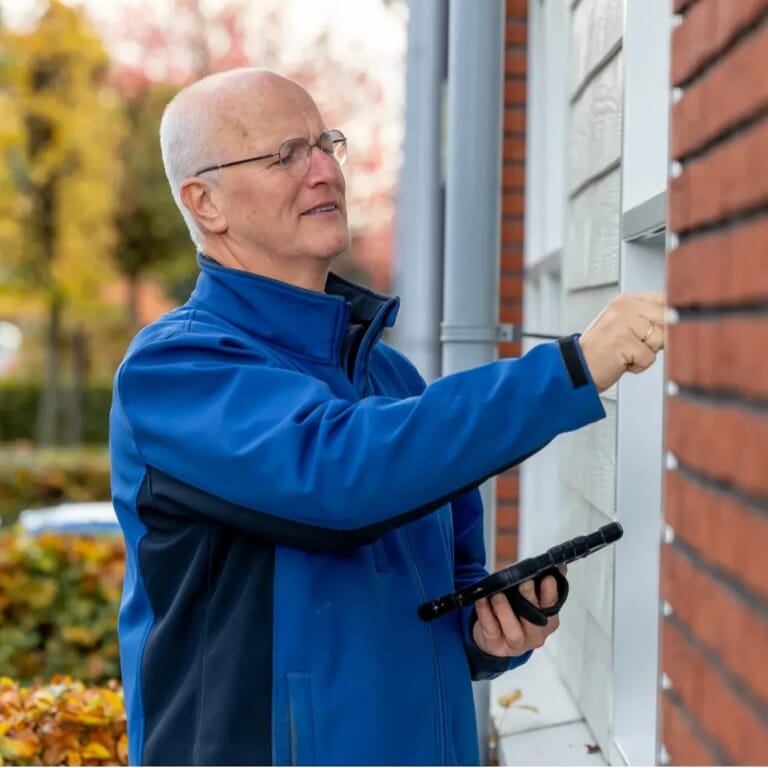
A building inspection will let you know the current situation before you even buy the house. The tips below explain how to minimize your water consumption.

1. Replace leaking faucets

A leaking faucet seems harmless. Sometimes it's just a few drops, but ultimately, a dripping faucet can consume years of water.

2. Choose a water-saving shower head

A five-minute shower uses 55 liters of water, and a bath uses over 110 liters. If you have a water-saving shower head, you'll save several liters of water every day.

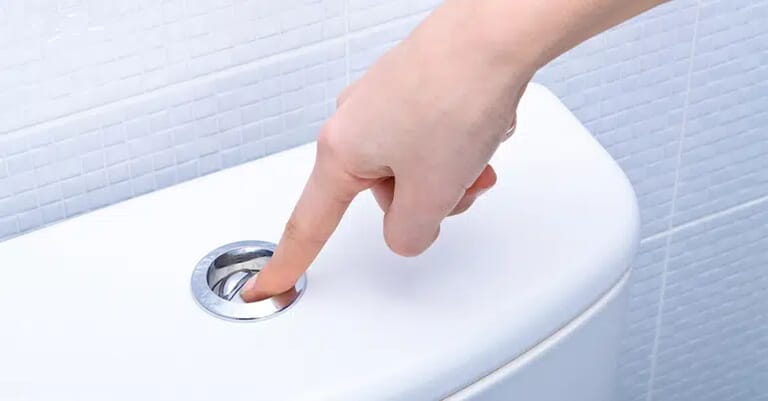
3. The toilet as a major consumer

30% of water disappears down the toilet. Older toilets, in particular, waste a lot of water. Feel free to replace an old toilet with a new one.

toilet-doorspoelen.jpg

4. Replace leaking cistern

You can recognize a leaky cistern by the small trickle of water that constantly flows into the bowl, constantly refilling the cistern. Do you have such a cistern in your home? Replace it to prevent water wastage.

5. Repair leaking pipes

Leaking pipes can cause up to 1,100 liters of water loss per year. Reason enough to replace leaking pipes.

6. Choose KIWA

Shower heads, taps and other products with the KIWA low consumption quality mark are more economical with water.

7. Choose energy-efficient

Energy-efficient heating appliances save a lot of energy and water.

8. Optimal water pipes

Optimal water pipes are thin and short. This saves energy and water, and you also get hot water faster.

9. Don't waste water

Before the tap water warms up, cold water usually flows out first. Collect this water and use it to water your plants. For example, don't let the water run while brushing your teeth.

10. Washing

Only wash with a full load, this means you have to wash less.

Wasmachine-zuinig-wassen.jpg

11. Check seals

Regularly check the seals and joints in the kitchen and bathroom. A lot of water can leak out from these areas.

12. Do not rinse the plates

Let the dishwasher do its work and don't rinse the dishes first. That's a waste of time.

Hidden leaks

You can easily do some water conservation yourself, but you might also have hidden leaks. This can waste a lot of water. It's especially important to pay attention to this when buying a house. Request a building inspection to assess the condition of the house and identify any essential maintenance.

Would you like to make an appointment for a building inspection?

The cost of a building inspection (up to 250 m²) is only €489 including VAT. We'll conduct a comprehensive building inspection and you'll receive a building report. Do you have any questions? We're happy to help and can schedule an appointment with an expert inspector right away if you wish!

Recent articles

Een vrouw wijst naar een tablet die een man vasthoudt en een andere man kijkt mee
blog
13 February 2026
Hidden defects in a home
Hidden defects are not uncommon, especially in existing homes. They are often not immediately visible, but can have significant consequences for comfort, safety, and costs. This article explains how hidden defects are assessed and the role of investigation and inspection.
blazen plooien bitumen dak
video
13 February 2026
Common roof detail mistakes: what an inspection reveals
During roof inspections, problems often turn out to be not in the roofing itself, but in the details. In this practical case study, we demonstrate which installation errors are frequently encountered and why these, in particular, pose an increased risk of leaks and damage.
WhatsApp Image 2026-02-12 at 08.51.37
video
12 February 2026
Three Roof Eave Mistakes That Cause Leaks (And Are Often Overlooked)
Roof problems rarely arise suddenly. They usually start with a minor issue. In this inspection, we see how a torn lead flashing, improper installation, and a loose joint can all pose a serious risk. What should you look for—and how can you prevent them?