
Make an appointment Call now

The risks of a manta floor

Considering purchasing a home with a Manta floor? Before you commit, ensure you understand the potential risks associated with these unique ribbed cassette floors and the importance of a thorough inspection to avoid costly surprises down the line.

Are you interested in buying a home with a manta floor? Then it's important to know that it's crucial to have the floor's quality checked. An experienced inspector, such as one from Homekeur, can tell you whether the manta floor is reliable. There are certain risks associated with a manta floor that you don't want to take. In some cases, replacing the floor is the only option, and this entails significant additional costs.

Have a building inspection carried out

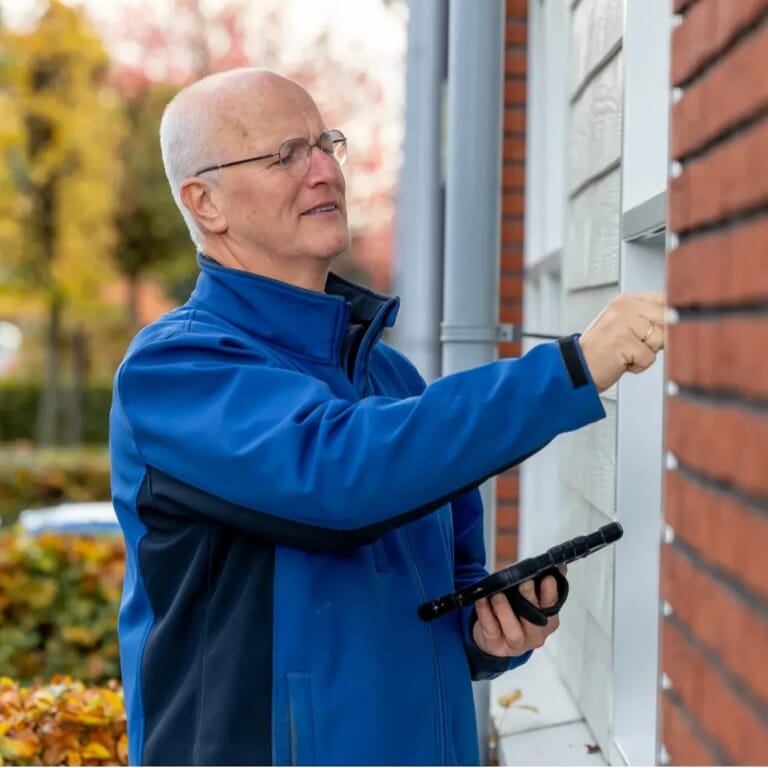
If you're planning to buy a home, it's wise to have a building inspection carried out. Homekeur is the ideal place to do this. We have extensive experience conducting building inspections . We also have the knowledge and expertise in Manta flooring, allowing us to inspect the floor immediately.

What is a manta floor?

A Manta floor is also called a ribbed cassette floor. The ribs, or concrete beams, of these floors are located on the underside. Two ribs are attached to each element, with a thin floor slab between them on the top. This slab is 55 millimeters thick. The element width is 1,200 millimeters.

In the Netherlands, a large number of homes have manta flooring. A manta floor of moderate to poor quality poses significant risks that you'd rather avoid. Therefore, always have a building inspection carried out, during which the floor is thoroughly examined.

The biggest risk of the manta floor

Calcium chloride is often used in the production of the elements for Manta floors to accelerate the drying process. The floor's reinforcement rusts away due to the presence of calcium chloride. This prevents it from adequately absorbing tensile forces, eventually causing the reinforcement to expand and crush the surrounding concrete. This is known as concrete rot.

The greatest risk is that the manta floor will fail because the ribs simply lose their load-bearing capacity. Moreover, the reinforcement can also be damaged by insufficient compaction of the concrete or by being too close to the surface. Therefore, the presence of calcium chloride is not necessarily the cause of concrete rot.

Floor inspection by Homekeur

Are you considering buying a home with a Manta floor? We strongly recommend having it inspected to eliminate or identify any serious risks. Homekeur is happy to perform this inspection for you. You can schedule an appointment directly online.

Would you like to make an appointment for a building inspection?

The cost of a building inspection (up to 250 m²) is only €489 including VAT. We'll conduct a comprehensive building inspection and you'll receive a building report. Do you have any questions? We're happy to help and can schedule an appointment with an expert inspector right away if you wish!

Recent articles

Een vrouw wijst naar een tablet die een man vasthoudt en een andere man kijkt mee
blog
13 February 2026
Hidden defects in a home
Hidden defects are not uncommon, especially in existing homes. They are often not immediately visible, but can have significant consequences for comfort, safety, and costs. This article explains how hidden defects are assessed and the role of investigation and inspection.
blazen plooien bitumen dak
video
13 February 2026
Common roof detail mistakes: what an inspection reveals
During roof inspections, problems often turn out to be not in the roofing itself, but in the details. In this practical case study, we demonstrate which installation errors are frequently encountered and why these, in particular, pose an increased risk of leaks and damage.
WhatsApp Image 2026-02-12 at 08.51.37
video
12 February 2026
Three Roof Eave Mistakes That Cause Leaks (And Are Often Overlooked)
Roof problems rarely arise suddenly. They usually start with a minor issue. In this inspection, we see how a torn lead flashing, improper installation, and a loose joint can all pose a serious risk. What should you look for—and how can you prevent them?