

Make an appointment Call now

The longhorn beetle, a small rodent with potentially major consequences

When buying a new home, the last thing you want is a hidden infestation that can cause structural damage, like the notorious longhorn beetle. Awareness and thorough inspections are crucial to avoid costly surprises and ensure your dream home doesn't become a financial nightmare.

When viewing your potential new home, it's probably not the first thing you think of: the longhorn beetle. Yet, this small rodent can cause considerable problems, especially if you only notice its presence after signing the purchase contract.

House longhorn beetle

There are many species of beetles that go by the name of longhorn beetle, but homeowners may only experience problems

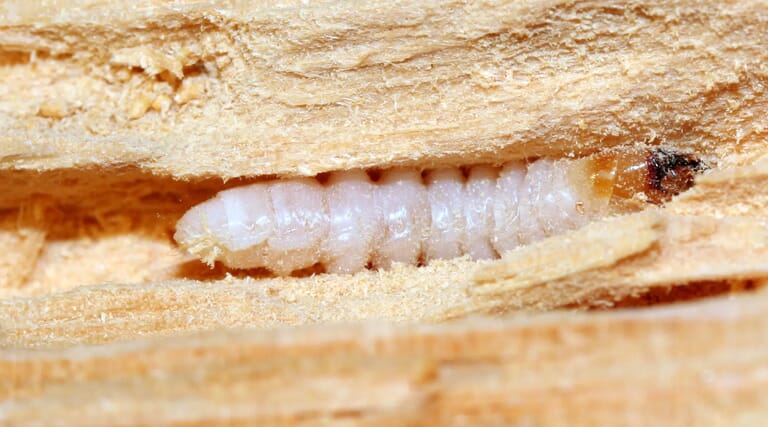
of the so-called house longhorn beetle. This species of beetle hatches from an egg and lives as a larva for a very long time (up to 12 years). The longhorn beetle larvae live in wood: by gnawing, they create tunnels that can cause serious damage to the wood.

  • beetle 10-25 mm
  • larva 30 mm
Boktor-larve-e1643632147260.jpg

Long-term hidden defect

Sometimes this damage is visible through drill holes in the wood or through visible drill dust. In many cases, however, the damage is invisible, making it a hidden defect. This defect can be expensive: the longhorn beetle must be removed, and wooden structures will need to be replaced. Longhorn beetles can damage support beams and roof structures, among other things.

Liability

Whether a home buyer can recover hidden woodworm damage from the seller depends on several factors. A buyer must be able to assume they can use the property normally. If this is not the case, in many cases the seller is liable and must repair the defect. While the presence of woodworm doesn't necessarily impede normal use, it can if there is serious damage to roof structures , floor joists, and supporting beams.

Construction technical inspection

If the buyer was aware of the damage caused by woodworms, the seller is obviously not liable. The sale price will likely have been reduced due to the presence of the defect. Even if the damage was clearly visible to the buyer, the seller's liability is waived. The buyer is expected to thoroughly investigate any defects themselves. Homekeur is happy to assist you with this by conducting a building inspection . This way, you won't encounter any unpleasant surprises after purchasing your new home!

Would you like to make an appointment for a building inspection?

The cost of a building inspection (up to 250 m²) is only €489 including VAT. We'll conduct a comprehensive building inspection and you'll receive a building report. Do you have any questions? We're happy to help and can schedule an appointment with an expert inspector right away if you wish!

Recent articles

Een stel met een man die kijken naar een tablet
blog
30 September 2026
Why a structural inspection at Homekeur costs €549 starting October 1st
As of October 1, 2026, the price of a building inspection at Homekeur will be €549, including VAT. This is a deliberate choice, as we do not want to compete on the lowest price, but on quality. A good building inspection requires time, expertise, and attention. That is why we continue to invest in our inspectors, quality controls, and even better reports. In this article, we explain why we are choosing this course.
homekeur_funderingsrisico_onderzoek_
blog
03 September 2026
NTA 8060: the basis for a professional building inspection
What is NTA 8060 and why is this technical standard important for a structural inspection? NTA 8060 describes a uniform methodology for assessing the structural condition of homes. Homekeur uses this methodology as an important basis for its structural inspections and is also actively involved in the revision of NTA 8060. In this article, we explain what NTA 8060 entails, what you as a home buyer will notice, and why the methodology is currently being updated.
Een vrouw achter een laptop
blog
02 September 2026
Energy labels cause price differences in home values ​​in 2026
In 2026, the energy label will have an increasing influence on the value of a home. Energy-efficient homes are more attractive to buyers, have lower monthly costs, and can be more favorable for the maximum mortgage amount. As a result, the price difference between homes with a good and a poor energy label can be significant. How significant is the influence of the energy label on home value, and which improvements can increase the value of your home?