
Make an appointment Call now

Roof insulation: how does this work exactly?

Roof insulation is an often-overlooked aspect of home efficiency, yet it plays a critical role in managing heat loss and maintaining comfortable indoor temperatures. By understanding the types of insulation available and their potential impact on energy savings, homeowners can make informed decisions that lead to long-term cost benefits and enhanced living conditions.

Roof insulation might not be the first thing you think of when viewing a house. Yet, it's crucial: on average , 25 to 30% of a house's heat is lost through the roof. While more than 80% of houses do have roof insulation, it's often only moderately insulated. By using the right insulation materials, you can not only save on heating costs, but your house will also stay much cooler on hot summer days.

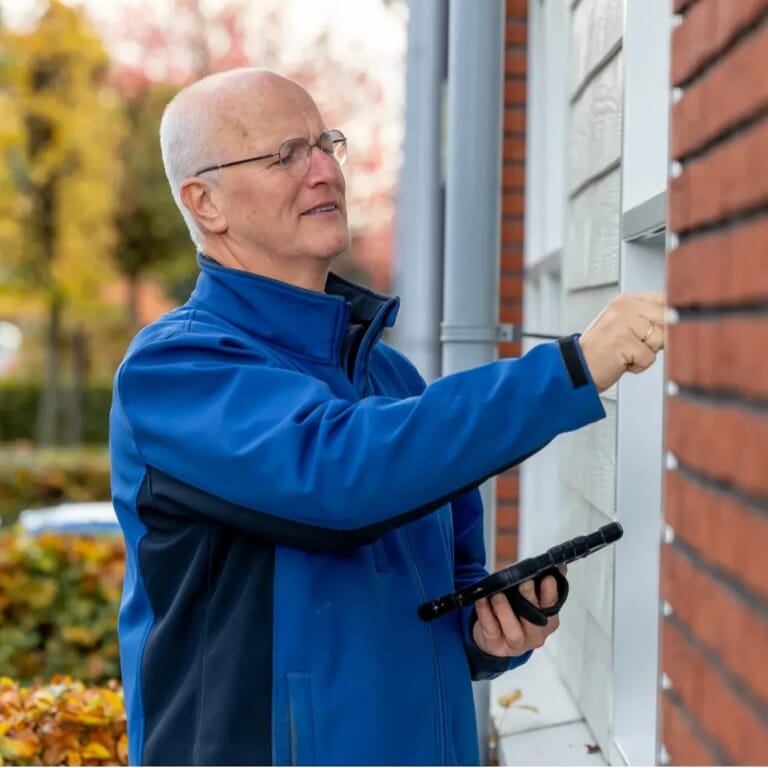
During a building inspection , we always check the roof structure in the attic and whether insulation is present there. This gives you immediate insight into the current roof insulation of the house.

Types of roof insulation

There are different types of roof insulation. The type you choose depends on your budget, the type of roof you want to insulate, and your living situation.

  • Internal roof insulation : this is the most common form of roof insulation. Insulation boards or insulation wool are applied to the inside of the roof. For a flat roof, XPS roof insulation boards are preferred. These are moisture-resistant, preventing future problems.
  • Exterior roof insulation : This method is most commonly used in new-build homes. The insulation material is then applied beneath the roof battens and tiles.
  • Loft floor insulation : Is your attic only used for storage? Then loft floor insulation is also an option. This prevents heat from being lost from below through the roof. Insulating the attic floor is often easy and inexpensive.

Points of attention when insulating

Roof insulation offers significant benefits. However, there are a few things to keep in mind:

  • If your roof is insulated, it also reduces ventilation. Of course, the goal is to limit the amount of air that can pass through, but in that case, be sure to provide some form of ventilation to remove excess moisture and particulate matter from the indoor air.
  • Are you opting for exterior insulation on an existing home? This will increase the height of your roof. A new connection to your gutter will therefore be necessary. Other details may also need to be adjusted.
  • Insulating a flat roof is particularly complex. The risk of moisture problems and mold is quite high. Always consult a specialist.

In the video below you can see how our inspector checks the insulation in this house.

Construction technical report

Don't want to figure out the roof insulation status of your dream home all by yourself? Get a building inspection report , and we'll check it for you, so you won't have to worry about expensive surprises later.

Would you like to make an appointment for a building inspection?

The cost of a building inspection (up to 250 m²) is only €489 including VAT. We'll conduct a comprehensive building inspection and you'll receive a building report. Do you have any questions? We're happy to help and can schedule an appointment with an expert inspector right away if you wish!

Recent articles

Een vrouw wijst naar een tablet die een man vasthoudt en een andere man kijkt mee
blog
13 February 2026
Hidden defects in a home
Hidden defects are not uncommon, especially in existing homes. They are often not immediately visible, but can have significant consequences for comfort, safety, and costs. This article explains how hidden defects are assessed and the role of investigation and inspection.
blazen plooien bitumen dak
video
13 February 2026
Common roof detail mistakes: what an inspection reveals
During roof inspections, problems often turn out to be not in the roofing itself, but in the details. In this practical case study, we demonstrate which installation errors are frequently encountered and why these, in particular, pose an increased risk of leaks and damage.
WhatsApp Image 2026-02-12 at 08.51.37
video
12 February 2026
Three Roof Eave Mistakes That Cause Leaks (And Are Often Overlooked)
Roof problems rarely arise suddenly. They usually start with a minor issue. In this inspection, we see how a torn lead flashing, improper installation, and a loose joint can all pose a serious risk. What should you look for—and how can you prevent them?