
Rising damp: what can you do about it?
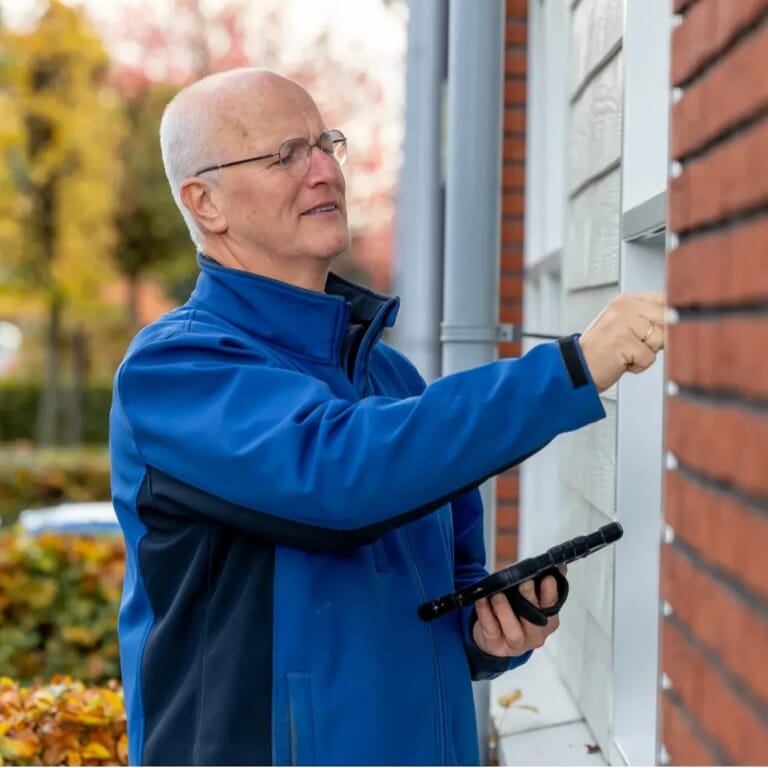
Rising groundwater is a serious problem in a home. It causes damp patches and mold growth on walls, weakens wallpaper adhesive, and can even cause plaster and brickwork to crumble over time. Not to mention the health consequences. Fortunately, there are several proven methods to prevent moisture from the ground from seeping into walls. During a building inspection, we always inspect the walls to determine if rising damp is present.
Have the walls injected
The most common remedy for rising damp is injecting the walls with a special damp-proofing gel. It's a relatively simple procedure that can provide a lasting solution, especially for mild damp damage. This method involves drilling holes along the entire length of the wall approximately 20 cm above floor level. A damp-proofing gel is then injected into the holes. The gel will slowly be absorbed by the wall, creating a solid barrier against rising damp within a few months.
Carebrick solution for damp walls
The Carebrick system is a somewhat newer method that focuses more on removing moisture from a wall. This approach involves inserting ceramic tubes into the wall approximately 30 cm above floor level. The tubes have a diameter of approximately 10 cm and create a warm airflow within the wall. This allows any moisture that seeps into the wall from the ground to evaporate over time.
Have the walls undercut
For more severe problems caused by rising damp, a more extensive operation is required. By undercutting the walls, a physical damp-proof course is created. From floor level, approximately 20 to 30 cm of the wall is completely replaced with a waterproof damp-proof course. Undercutting walls is a labor-intensive job and is performed with heavy machinery. Therefore, this intervention is usually postponed until the house is in need of a major renovation.
Have an inspection done
Before considering a treatment, it's helpful to have an analysis performed by a qualified specialist. Dampness in walls can have causes other than rising groundwater. For example, it can be caused by penetrating moisture from outside (rain, snow, etc.) or condensation developing inside the house. After a building inspection of your home, you'll know exactly where the problem lies. Feel free to contact us without obligation.
Would you like to make an appointment for a building inspection?
The cost of a building inspection (up to 250 m²) is only €489 including VAT. We'll conduct a comprehensive building inspection and you'll receive a building report. Do you have any questions? We're happy to help and can schedule an appointment with an expert inspector right away if you wish!
Recent articles