
Penalty clause in apartment purchase agreements: what's the deal?
A purchase agreement may include a penalty clause. The standard NVM sales agreement is often used, which also includes this penalty clause. When you want to buy a house or apartment, there are many things to consider. For example, is it necessary to have a building inspection carried out, which isn't always necessary for an apartment?
What additional costs will you face, and how will you manage them financially? You'll also need to pay attention to the penalty clause in the apartment purchase agreement. Homekeur is happy to tell you more about this in this blog post.
Building inspection also necessary for apartments
When we summarize the most important matters, we naturally start with the building inspection. Is it necessary or not? For a residential property, it's always advisable to have this inspection performed. Is it an apartment? Then it's also necessary, even if there's an active, reputable homeowners' association (VvE).
Naturally, you'll want to know what additional costs you need to set aside. You'll be faced with notary fees and real estate agent fees, among other things. As a general rule, it's wise to set aside an amount equal to 6% of the property price to cover these additional costs. This brings us to the penalty clause in apartment purchase agreements. How does that work exactly? We'd like to delve into this in more detail.
What does the penalty clause actually say?
The penalty clause stipulates a penalty of 10 percent of the purchase price of the property. It stipulates that a party must pay this penalty if they fail to meet their obligations. This could include refusing to cooperate in the transfer of the apartment or refusing to pay, for example. If the obligations are not met, the penalty clause imposes a penalty equal to 10 percent of the apartment 's purchase price.
What if this fine is imposed?
A fine of 10% of the purchase price is substantial. For a property worth €300,000, the fine is €30,000. This is a substantial fine, but a judge can significantly reduce it. A reduction of the fine can be requested through legal proceedings. However, please keep in mind that the judge cannot simply reduce the fine. This is only permitted if the fine is unacceptable and excessive.
This will therefore have to be determined. Ultimately, the relationship between the amount of the fine and the actual damages determines whether mitigation is permitted. The circumstances and the nature of the agreement also play a role.
By what amount can be mitigated?
If the fine is unacceptable and excessive, the court may be able to reduce the fine. In this case, it may be worthwhile to initiate legal proceedings. The amount by which the fine can be reduced varies depending on the situation. It is clear, however, that the contractual fine can be deviated from without further justification.
The Rotterdam District Court, for example, reduced the fine from €25,300 to €5,500. The court previously reduced a contractual fine from €34,000 to €3,400. In both cases, no specific justification was provided.
Avoid high costs after purchasing a home
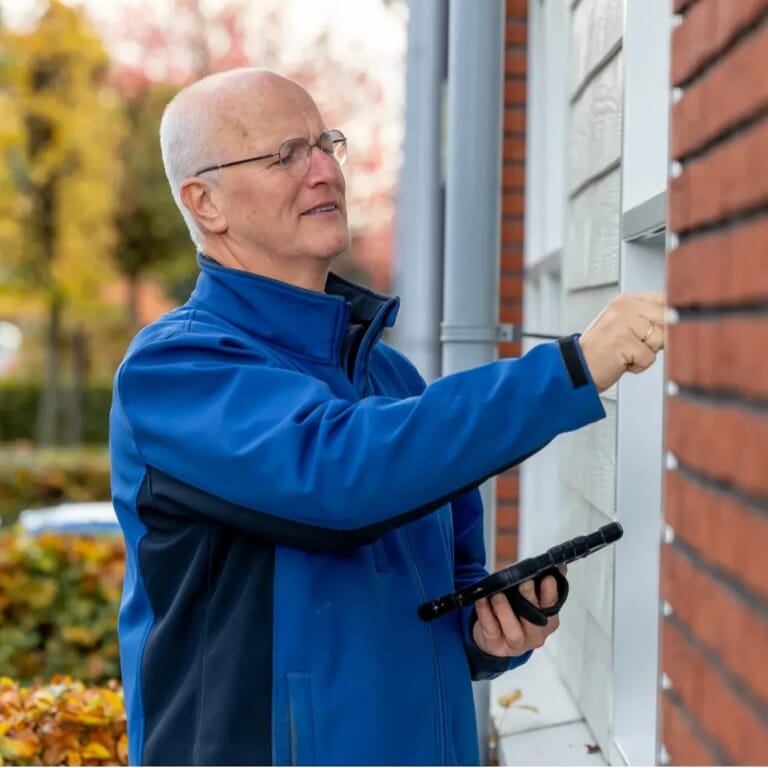
If you encounter a penalty clause, it could cost you a very high penalty without mitigation. There are, of course, other factors that can lead to high costs, even after purchasing an apartment or house. Hidden defects are a good example. You can prevent these by having a building inspection carried out by Homekeur. We are happy to prepare a detailed building inspection report , so you always have certainty. Would you like to know more or schedule an appointment? Feel free to contact us.
Would you like to make an appointment for a building inspection?
The cost of a building inspection (up to 250 m²) is only €489 including VAT. We'll conduct a comprehensive building inspection and you'll receive a building report. Do you have any questions? We're happy to help and can schedule an appointment with an expert inspector right away if you wish!
Recent articles