
Make an appointment Call now

Notification obligation when purchasing a house

Are you planning to buy a home? Then the seller has a duty of disclosure. It's not always clear what this entails and how far the duty of disclosure extends. The seller is obligated to share certain facts with the buyer, but what exactly does this entail? We're happy to tell you more.

Reason not to have a building inspection carried out?

The seller of a property has a duty to provide information, also known as the duty of disclosure, which means the buyer is obligated to share facts about the property with the buyer. For example, if the property has significant defects, the seller is obligated to inform the buyer of these.

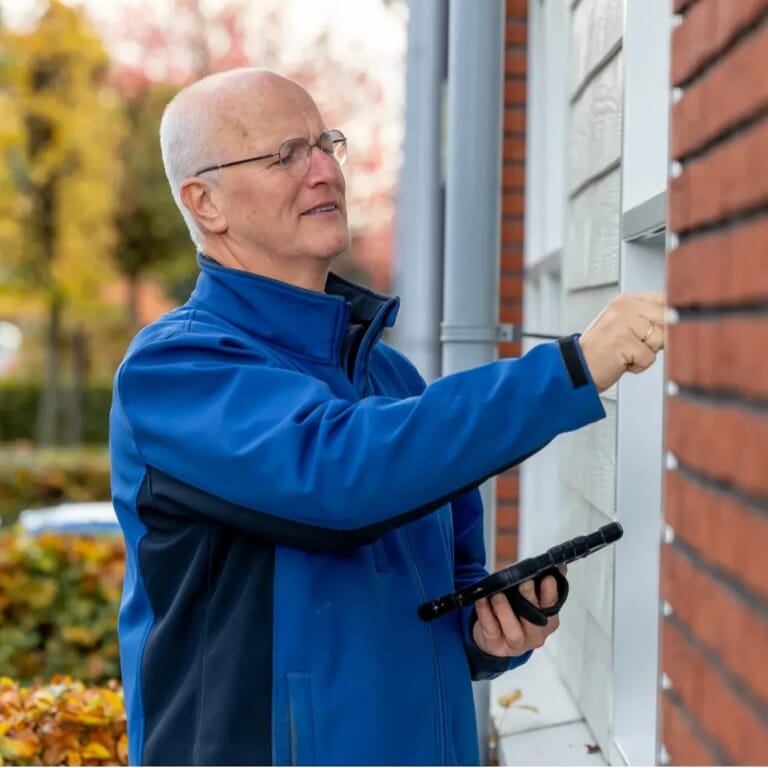
Does this mean that you, as a potential buyer, don't need to have a building inspection performed? No, certainly not. First of all, not every buyer automatically complies with the disclosure requirement. Furthermore, there may be defects that the seller hasn't (yet) noticed. You want to know what costs you'll face immediately or in the near future. Homekeur offers clarity on this by performing a building inspection.

The buyer's interest

The seller is obligated to act in the buyer's best interest, not just their own. This is where the duty to disclose comes from. Is there a defect that isn't immediately visible? Is there frequent, serious noise pollution from neighbors? Is there a suspicion of soil contamination? These are all matters the seller must report to the buyer.

Such matters can lead the buyer to decide not to purchase the property after all. In practice, this very fact often leads sellers to deliberately withhold information, despite their duty to disclose. Visible defects, which the buyer might notice during a property inspection, are not required to be disclosed by the seller under the disclosure obligation. This falls under the buyer's duty to investigate.

The buyer does not comply with the duty to provide information

In practice, it certainly happens that a seller fails to comply with the disclosure obligation. This places the seller at great risk. In most cases, the case will end up in court. If the court decides that the seller has indeed failed to comply with the disclosure obligation, the court will order the seller to reverse the sale, compensate the damage, or repair the damage at their own expense. Naturally, this varies from situation to situation.

Prevent costs due to hidden defects

Hidden defects are very inconvenient. They often not only lead to additional costs but also delay the process of making the house ready for occupancy. In the worst-case scenario, you can't move into your home until much later than you'd planned. Homekeur conducts a building inspection, where we can identify any hidden defects. This saves you time and money.

Would you like to make an appointment for a building inspection?

The cost of a building inspection (up to 250 m²) is only €489 including VAT. We'll conduct a comprehensive building inspection and you'll receive a building report. Do you have any questions? We're happy to help and can schedule an appointment with an expert inspector right away if you wish!

Recent articles

Een vrouw wijst naar een tablet die een man vasthoudt en een andere man kijkt mee
blog
13 February 2026
Hidden defects in a home
Hidden defects are not uncommon, especially in existing homes. They are often not immediately visible, but can have significant consequences for comfort, safety, and costs. This article explains how hidden defects are assessed and the role of investigation and inspection.
blazen plooien bitumen dak
video
13 February 2026
Common roof detail mistakes: what an inspection reveals
During roof inspections, problems often turn out to be not in the roofing itself, but in the details. In this practical case study, we demonstrate which installation errors are frequently encountered and why these, in particular, pose an increased risk of leaks and damage.
WhatsApp Image 2026-02-12 at 08.51.37
video
12 February 2026
Three Roof Eave Mistakes That Cause Leaks (And Are Often Overlooked)
Roof problems rarely arise suddenly. They usually start with a minor issue. In this inspection, we see how a torn lead flashing, improper installation, and a loose joint can all pose a serious risk. What should you look for—and how can you prevent them?