
Make an appointment Call now

Woodworm in your house? Be extra vigilant.

When purchasing a new home, the last thing you want to discover is an infestation of longhorn beetles lurking within the wooden structures, potentially causing extensive hidden damage. Understanding how to identify and address such issues before closing the deal can save you from costly repairs and legal disputes, ensuring your dream home doesn't become a nightmare.
When viewing your potential new home, it's probably not the first thing you think of: the longhorn beetle. Yet, this small rodent can cause considerable problems, especially if you only notice its presence after signing the purchase contract.

House longhorn beetle

There are many species of beetles called longhorn beetles, but homeowners are likely to experience problems only from the so-called house longhorn beetle. This house longhorn beetle hatches from an egg and lives as a larva for a very long time, up to 12 years, before finally becoming a beetle. The longhorn beetle larvae live in wood: by gnawing, they create tunnels that can cause serious damage to the wood.

Long-term hidden defect

Sometimes this damage is visible through drill holes in the wood or through visible drill dust. In many cases, however, the damage is invisible, making it a hidden defect. This defect can be expensive: the longhorn beetle must be removed, and wooden structures will need to be replaced. Longhorn beetles can damage support beams and roof structures, among other things.

Liability

Whether a home buyer can recover hidden woodworm damage from the seller depends on several factors. A buyer must be able to assume they can use the property normally. If this is not the case, in many cases the seller is liable and must repair the defect. While the presence of woodworm doesn't necessarily impede normal use, it can if there is serious damage to roof structures , floor joists, and supporting beams.

Construction technical inspection

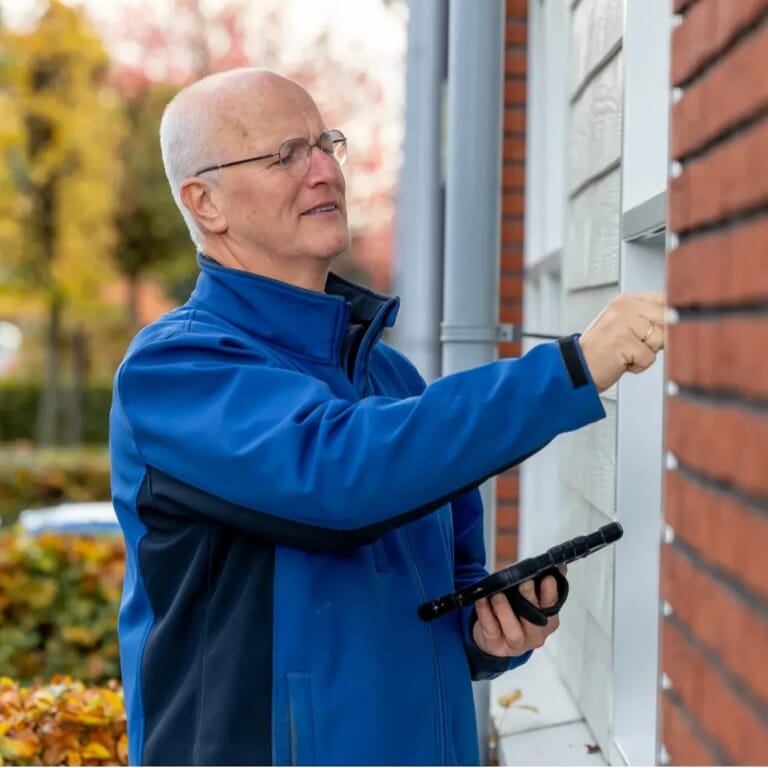
If the buyer was aware of the damage caused by woodworms, the seller is obviously not liable. The sale price will likely have been reduced due to the presence of the defect. Even if the damage was clearly visible to the buyer, the seller's liability is waived. The buyer is expected to thoroughly investigate any defects themselves. Homekeur is happy to assist you with this by conducting a building inspection . This way, you won't encounter any unpleasant surprises after purchasing your new home!

Would you like to make an appointment for a building inspection?

The cost of a building inspection (up to 250 m²) is only €489 including VAT. We'll conduct a comprehensive building inspection and you'll receive a building report. Do you have any questions? We're happy to help and can schedule an appointment with an expert inspector right away if you wish!

Recent articles

Een vrouw wijst naar een tablet die een man vasthoudt en een andere man kijkt mee
blog
13 February 2026
Hidden defects in a home
Hidden defects are not uncommon, especially in existing homes. They are often not immediately visible, but can have significant consequences for comfort, safety, and costs. This article explains how hidden defects are assessed and the role of investigation and inspection.
blazen plooien bitumen dak
video
13 February 2026
Common roof detail mistakes: what an inspection reveals
During roof inspections, problems often turn out to be not in the roofing itself, but in the details. In this practical case study, we demonstrate which installation errors are frequently encountered and why these, in particular, pose an increased risk of leaks and damage.
WhatsApp Image 2026-02-12 at 08.51.37
video
12 February 2026
Three Roof Eave Mistakes That Cause Leaks (And Are Often Overlooked)
Roof problems rarely arise suddenly. They usually start with a minor issue. In this inspection, we see how a torn lead flashing, improper installation, and a loose joint can all pose a serious risk. What should you look for—and how can you prevent them?