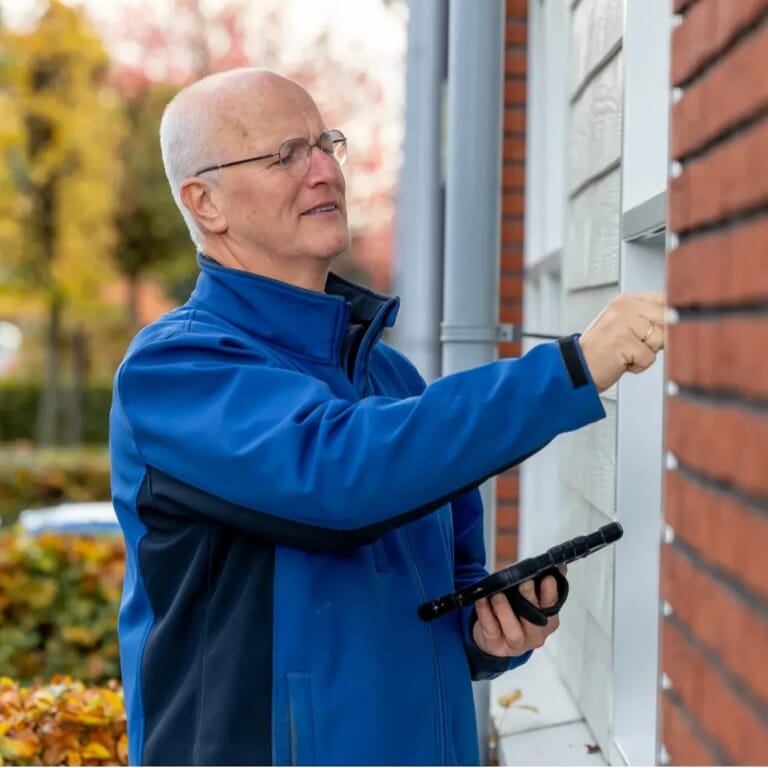

Home energy label: how does it work exactly?
When you're considering buying a house, it's helpful to have an idea of your future energy costs. These will largely determine your housing expenses. That's why every house, just like electrical appliances, has an energy label.
Provisional energy label
Since 2008, every homeowner has been required to provide their energy label to potential buyers, but this was previously rarely done. In 2014, the House of Representatives therefore approved a method to simplify the energy label process. Homeowners without a label received a provisional energy label in January 2015. This label was based on information such as the property type, year of construction, and surface area.
Different energy classes
The energy label shows how energy-efficient a particular home is compared to similar homes. It also provides advice on measures that can be taken to save energy. The energy label is classified as A++ through G, ranging from dark green for very efficient to red for very inefficient. The label a home receives is based on its monthly energy consumption per square meter.
- Energy label A++ home: less than 0.5 gigajoules
- Energy label A+ home: less than 0.7 gigajoules
- Energy label A: less than 1.05 gigajoules
- Energy label B for a home: less than 1.3 gigajoules
- Energy label C home: less than 1.6 gigajoules
- Energy label D for a home: less than 2.0 gigajoules
- Energy label E for a home: less than 2.4 gigajoules
- Energy label F home: less than 2.9 gigajoules
- Energy label G home: More than 2.9 gigajoules
Definitive energy label
The provisional energy label can be converted into a definitive energy label after installation of solar panels or underfloor insulation, for example. The energy label can be prepared by certified consultants, who, among other things, pay attention to insulation and installations for heating and hot water. Based on this data, the consultant issues an energy index, which determines the home's energy class. After receiving the definitive energy label, you meet the legal requirements for selling. For a new-build home for which the building permit was applied for less than 10 years ago, an energy label is not mandatory; however, an energy performance coefficient (EPC) is sufficient.
Building inspection
Making your home more energy-efficient can increase its value, contribute to a better environment, and provide greater comfort. Want to avoid unpleasant surprises regarding energy costs when buying a new home? Request a building inspection from Homekeur! We'll provide you with a comprehensive report, so you'll know exactly how your house is doing. For more information, please feel free to contact us without obligation.
Easily request an energy label for your home
The cost of an energy label (up to 190 m²) is only €349 including VAT. A certified energy advisor will visit you, inspect the property, and officially register the energy label in EP-online. If the property is larger than 190 m², we charge €0.65 per additional square meter. Do you have any questions? We're happy to help and, if desired, can schedule an appointment with a certified advisor right away!
Recent articles