
Make an appointment Call now

Do not turn the meter cupboard into a storage cupboard

While it may be tempting to use your meter cupboard for extra storage, doing so could pose serious safety risks due to the presence of your home's gas and electricity supply. Understanding the importance of keeping this area clear and regularly maintained can help prevent fires and ensure your home remains compliant with safety regulations—read on to learn how to keep your meter cupboard safe and efficient.

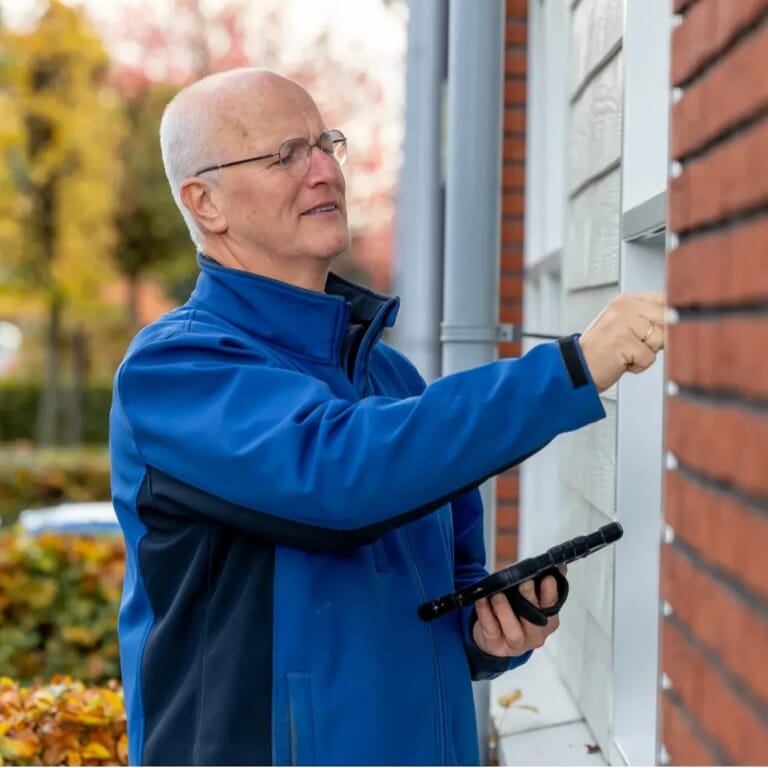
Many people have the habit of using their meter cupboard as an extra storage area. This isn't really recommended. The meter cupboard houses the gas and electricity supply to your home. Filling it with items can pose a significant risk. So store your belongings elsewhere and reserve the meter cupboard for its intended purpose: meters. The meter cupboard is always inspected during a building inspection. The expert checks how many circuits there are and whether there are sufficient circuits for the property. Naturally, they also check whether all connections comply with the applicable (safety) regulations.

What doesn't belong in the meter cupboard?

You'd be surprised what people keep in their meter cupboard. Your meter cupboard is where the gas and electricity meters are located. So it's not the place to store

  • Toilet paper
  • Cleaning agents and paint residues
  • The ironing board and the vacuum cleaner

Keep in mind that the temperature in the meter box can rise considerably. If cleaning products or paper ignite, you could quickly have a fire you can no longer extinguish yourself.

The meter box is the nerve center of your home

You might not often check your meter cupboard, especially now that we're all getting or already have a smart meter. If you used to regularly record your meter readings to monitor your energy consumption, you no longer need to go to the cupboard because you can easily access this information online. But that doesn't mean you can leave the cupboard door closed from now on. It's definitely recommended to vacuum your cupboard at least four times a year, for example. A clean cupboard is a safe cupboard.

Making adjustments in the meter cupboard

Sometimes it may be necessary to make adjustments to the meter box. This is the case, for example, if you need more circuits. Keep in mind that certain appliances require so much power that they must be connected to a separate circuit. This applies, for example, to a washing machine, dryer, or electric oven. The residual current device (RCD) is also located here, which trips if there's a problem with the power supply. It's recommended to check this device annually for proper operation.

Would you like to make an appointment for a building inspection?

The cost of a building inspection (up to 250 m²) is only €489 including VAT. We'll conduct a comprehensive building inspection and you'll receive a building report. Do you have any questions? We're happy to help and can schedule an appointment with an expert inspector right away if you wish!

Recent articles

Een vrouw wijst naar een tablet die een man vasthoudt en een andere man kijkt mee
blog
13 February 2026
Hidden defects in a home
Hidden defects are not uncommon, especially in existing homes. They are often not immediately visible, but can have significant consequences for comfort, safety, and costs. This article explains how hidden defects are assessed and the role of investigation and inspection.
blazen plooien bitumen dak
video
13 February 2026
Common roof detail mistakes: what an inspection reveals
During roof inspections, problems often turn out to be not in the roofing itself, but in the details. In this practical case study, we demonstrate which installation errors are frequently encountered and why these, in particular, pose an increased risk of leaks and damage.
WhatsApp Image 2026-02-12 at 08.51.37
video
12 February 2026
Three Roof Eave Mistakes That Cause Leaks (And Are Often Overlooked)
Roof problems rarely arise suddenly. They usually start with a minor issue. In this inspection, we see how a torn lead flashing, improper installation, and a loose joint can all pose a serious risk. What should you look for—and how can you prevent them?