
Make an appointment Call now

Check double glazing extra for leaks

Before sealing the deal on your dream home, ensuring the condition of features like double glazing is crucial to avoid costly surprises. A professional building inspection can uncover hidden issues, such as leaks in double glazing, helping you make an informed decision and potentially saving on unexpected repair costs.

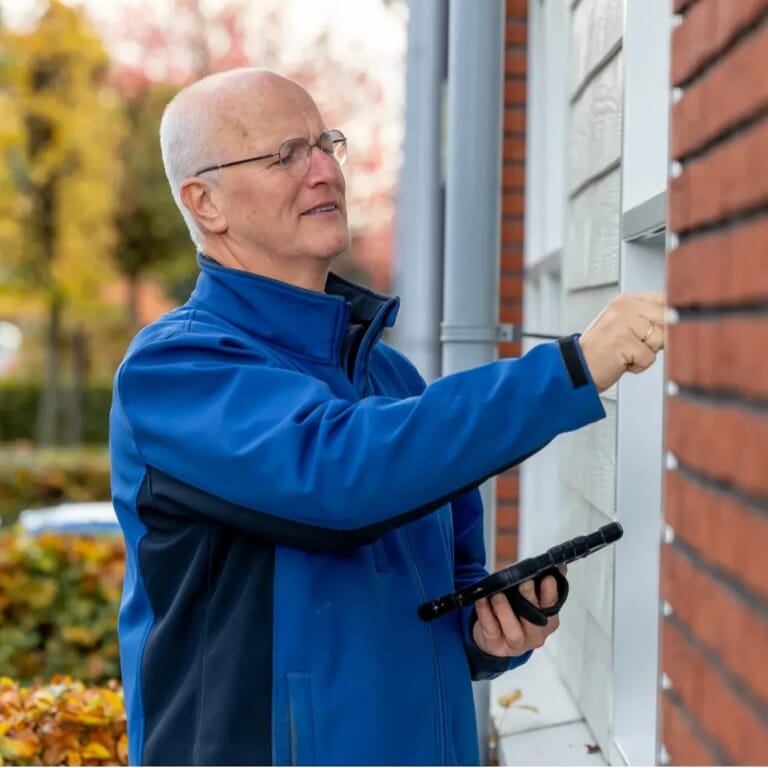
After numerous viewings, you've found a house you're particularly interested in. Naturally, you'll first want to have a building inspection carried out. We inspect hundreds of aspects of a property, including the condition of the double glazing. If there's a leak in the double glazing, there's only one possible solution: replacement. If this is the case, you'll want to know before making a final decision.

How do you recognize leaks in double glazing?

Usually a leak in double glazing can be recognized quickly:

  • In most cases, condensation is present. This is not on the outside of the glass, but on the glass between the insulating glass.
  • Stains or streaks: these are also not on the outside, but on the inside.
  • A blue or white haze on the glass between the insulating glass.
  • There is a white efflorescence on the glass between the glass panes.
  • A white efflorescence on the spacers between the glass.
  • Water and dirt at the bottom of the insulating glass.
  • Round, white deposits on the glass between the glass panes.

How can a leak occur with double glazing?

First, it's important to have an expert assess whether the defect is a manufacturing or installation issue. If this is the case and the windows are still within the 10-year warranty period, you can claim replacement windows from the glazier or manufacturer.

Inadequate maintenance can also be the cause of a leak. Therefore, it's important to properly maintain both your windows and frames. Therefore, always inquire carefully about what maintenance is required when installing new windows.

End of life

In many cases, the window's lifespan has simply expired. Double glazing lasts a maximum of 30 years, but can start to wear out after just 10 years. Eventually, the sealant joints dry out, making them no longer water-repellent. Spacers can also lose their effectiveness if they become loose after years of use.

When your windows reach the end of their lifespan, it's wise to replace them immediately. They will increasingly insulate your home less effectively, resulting in higher heating costs.

Always have a home inspected

To know in advance what costs you'll face and avoid unpleasant surprises, it's important to have a building inspection performed. Inquire about the options.

Would you like to make an appointment for a building inspection?

The cost of a building inspection (up to 250 m²) is only €489 including VAT. We'll conduct a comprehensive building inspection and you'll receive a building report. Do you have any questions? We're happy to help and can schedule an appointment with an expert inspector right away if you wish!

Recent articles

Een vrouw wijst naar een tablet die een man vasthoudt en een andere man kijkt mee
blog
13 February 2026
Hidden defects in a home
Hidden defects are not uncommon, especially in existing homes. They are often not immediately visible, but can have significant consequences for comfort, safety, and costs. This article explains how hidden defects are assessed and the role of investigation and inspection.
blazen plooien bitumen dak
video
13 February 2026
Common roof detail mistakes: what an inspection reveals
During roof inspections, problems often turn out to be not in the roofing itself, but in the details. In this practical case study, we demonstrate which installation errors are frequently encountered and why these, in particular, pose an increased risk of leaks and damage.
WhatsApp Image 2026-02-12 at 08.51.37
video
12 February 2026
Three Roof Eave Mistakes That Cause Leaks (And Are Often Overlooked)
Roof problems rarely arise suddenly. They usually start with a minor issue. In this inspection, we see how a torn lead flashing, improper installation, and a loose joint can all pose a serious risk. What should you look for—and how can you prevent them?