
Make an appointment Call now

What to do in case of soil contamination?

Soil contamination can significantly impact property value and pose health risks, making it crucial for prospective homeowners to conduct thorough inspections before purchasing. Understanding the implications of soil contamination and legal responsibilities can save you from unexpected liabilities and ensure a safer investment in your future home.

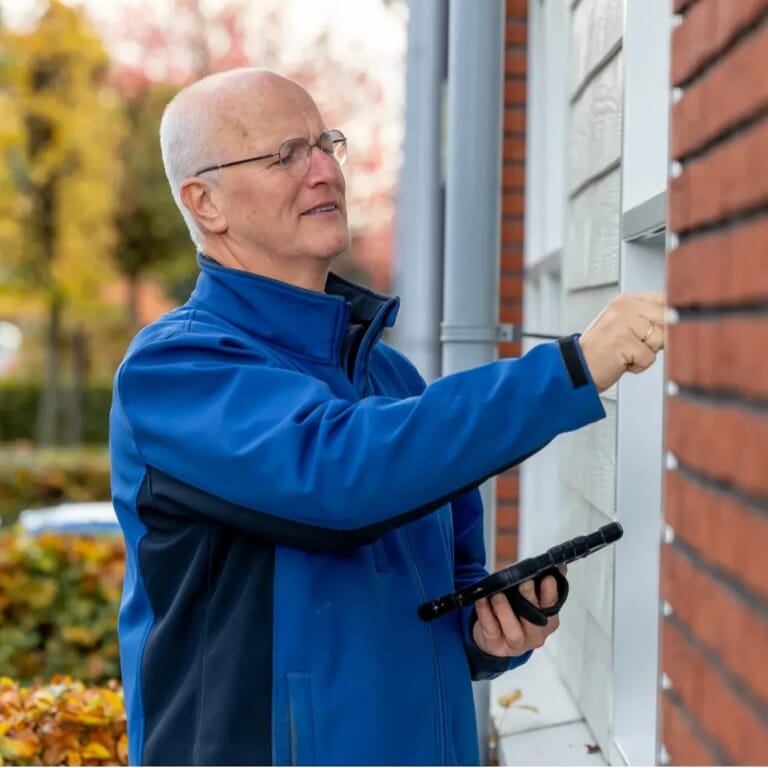
Soil contamination is always a nuisance. If you're considering buying a home, it's a good idea to have a building inspection performed. Homekeur is happy to assist you with this. A soil report is part of this inspection if the standards are within the acceptable limits.

Is the location suspect? Then we recommend having a more comprehensive soil investigation conducted. A supplementary report will be submitted, possibly accompanied by a remediation plan. This way, you'll always know exactly what to expect before you buy a home.

Various forms of soil contamination

Soil contamination occurs in several forms. Essentially, it naturally involves contaminated soil, but soil can be contaminated with various substances. These include construction waste, PAHs, household waste, oil, or asbestos , for example. If your home is located on contaminated soil, it can pose health risks.

In addition, you may face very high costs. The government may impose a remediation requirement. Naturally, the property also loses value if soil contamination is found.

Is the seller liable for the contamination?

Have you just bought a house and discovered the soil is contaminated? It's understandable that you'd want to hold the seller liable. However, in many cases, the seller isn't liable. In practice, it often turns out that a seller is unaware of the soil contamination, for example, because it was never discovered before. Furthermore, the party that caused the soil contamination is also liable. However, in many cases, the soil contamination occurred many years ago, and the actual polluter is no longer alive and/or can no longer be identified.

What if the seller was aware of this?

In practice, we often see that a seller of a property was unaware of the soil contamination at the time the property was sold. However, it certainly also happens that a seller was aware of this. The seller can be honest about this, allowing additional agreements regarding soil contamination to be included in the purchase contract. This is obviously disadvantageous for the seller, so sellers can also choose not to share the information with the buyer.

A seller has a duty to disclose information , but they won't always automatically comply. Has a seller deliberately withheld information? Then they violate their duty to disclose, and in most cases, this means they can be held liable.

Prevent high costs due to soil contamination

Prevention is always better than cure. It's always advisable to have everything about the property, including the land, thoroughly inspected before you decide to buy it. Homekeur is ready to assist you. You can schedule an appointment online for a building inspection , including preliminary soil testing. Would you like more information or sound advice first? Feel free to contact us.

Would you like to make an appointment for a building inspection?

The cost of a building inspection (up to 250 m²) is only €489 including VAT. We'll conduct a comprehensive building inspection and you'll receive a building report. Do you have any questions? We're happy to help and can schedule an appointment with an expert inspector right away if you wish!

Recent articles

Een vrouw wijst naar een tablet die een man vasthoudt en een andere man kijkt mee
blog
13 February 2026
Hidden defects in a home
Hidden defects are not uncommon, especially in existing homes. They are often not immediately visible, but can have significant consequences for comfort, safety, and costs. This article explains how hidden defects are assessed and the role of investigation and inspection.
blazen plooien bitumen dak
video
13 February 2026
Common roof detail mistakes: what an inspection reveals
During roof inspections, problems often turn out to be not in the roofing itself, but in the details. In this practical case study, we demonstrate which installation errors are frequently encountered and why these, in particular, pose an increased risk of leaks and damage.
WhatsApp Image 2026-02-12 at 08.51.37
video
12 February 2026
Three Roof Eave Mistakes That Cause Leaks (And Are Often Overlooked)
Roof problems rarely arise suddenly. They usually start with a minor issue. In this inspection, we see how a torn lead flashing, improper installation, and a loose joint can all pose a serious risk. What should you look for—and how can you prevent them?